Bloom
🌿

500 Best Pet Safe for Nipawin | 2026 Guide - Page 4

The 500 best pet safe to grow in Nipawin. Ideal climate: 3.5°C, 72.3% humidity.

🌡️ 3.5°C
💧 72.3%

500 Pet Safe for Nipawin

Showing 109-144 of 500
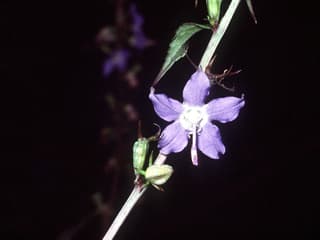
Tall Bellflower
109
★ 99%

Tall Bellflower

Campanulastrum americanum
Easy 💧 4 days 🌡️ -30°C - 32°C
Japanese spurge
110
★ 99%

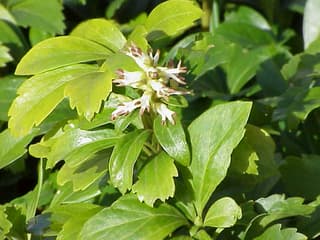
Japanese spurge

Pachysandra terminalis
Easy 💧 10 days 🌡️ -34°C - 32°C
Small-leaved Sweet-briar
111
★ 99%

Small-leaved Sweet-briar

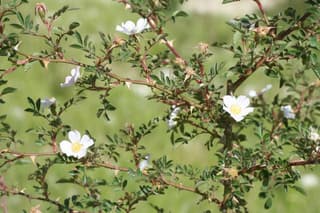
Rosa agrestis
Easy 💧 10 days 🌡️ -20°C - 35°C
Narrow-leaf Coneflower
112
★ 99%

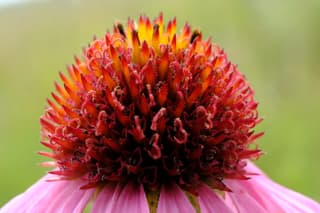
Narrow-leaf Coneflower

Echinacea angustifolia
Easy 💧 7 days 🌡️ -34°C - 35°C
Purple Roscoea
113
★ 99%

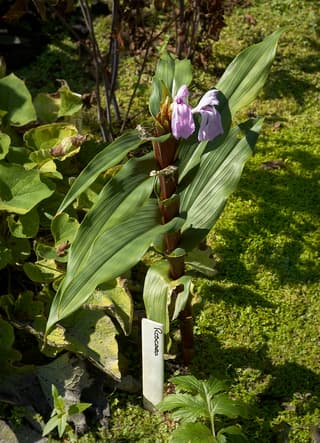
Purple Roscoea

Roscoea purpurea

Medium 💧 6 days 🌡️ -15°C - 28°C
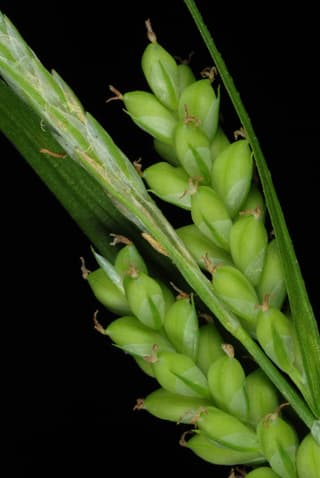
Eastern Woodland Sedge
114
★ 99%

Eastern Woodland Sedge

Carex blanda

Easy 💧 7 days 🌡️ -35°C - 35°C
🌿
115
★ 98%

felt lichen

Peltigera

Hard 💧 3 days 🌡️ -10°C - 25°C
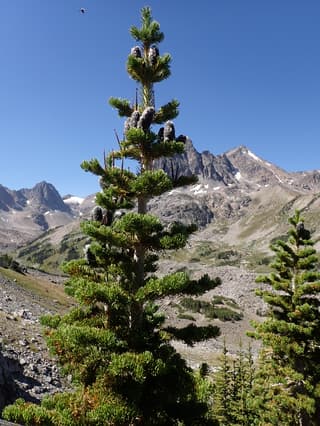
Subalpine Fir
116
★ 98%

Subalpine Fir

Abies lasiocarpa

Easy 💧 14 days 🌡️ -29°C - 25°C
Lawn grass
117
★ 98%

Lawn grass

Poaceae

Easy 💧 4 days 🌡️ -15°C - 35°C
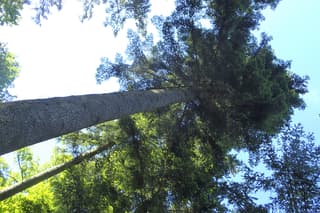
Nordmann fir
118
★ 98%

Nordmann fir

Abies nordmanniana

Medium 💧 10 days 🌡️ -30°C - 25°C
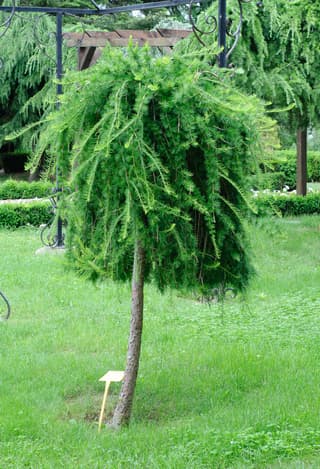
European Larch
119
★ 98%

European Larch

Larix decidua

Medium 💧 10 days 🌡️ -40°C - 32°C
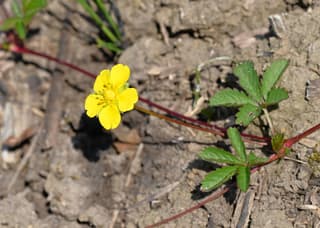
Creeping Cinquefoil
120
★ 98%

Creeping Cinquefoil

Potentilla reptans
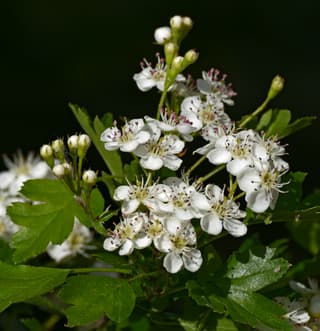
Easy 💧 7 days 🌡️ -15°C - 35°C
Common Hawthorn
121
★ 98%

Common Hawthorn

Crataegus monogyna

Easy 💧 7 days 🌡️ -15°C - 35°C
Dove's-foot Crane's-bill
122
★ 98%

Dove's-foot Crane's-bill

Geranium molle
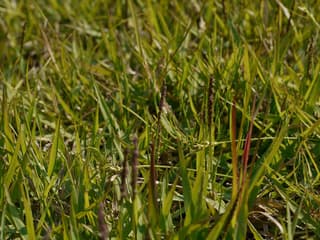
Easy 💧 10 days 🌡️ -15°C - 35°C
Zoysia Grass
123
★ 98%

Zoysia Grass

Zoysia japonica

Easy 💧 7 days 🌡️ -18°C - 38°C
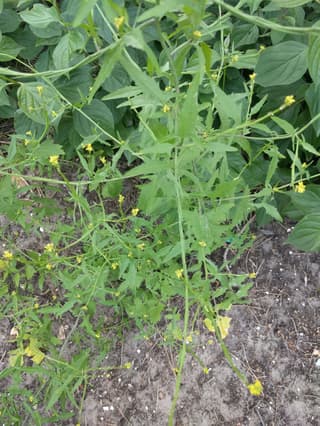
Hedge mustard
124
★ 98%

Hedge mustard

Sisymbrium

Easy 💧 10 days 🌡️ -15°C - 35°C
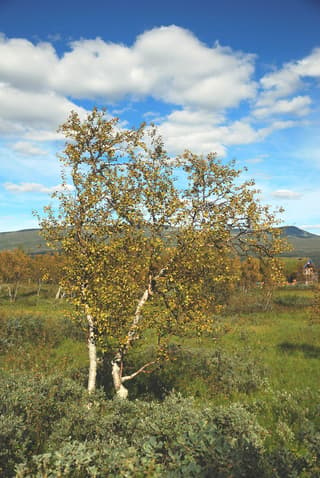
Downy Birch
125
★ 98%

Downy Birch

Betula pubescens

Easy 💧 4 days 🌡️ -40°C - 32°C
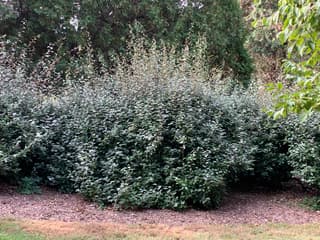
Ebbinge's Silverberry
126
★ 98%

Ebbinge's Silverberry

Elaeagnus × submacrophylla
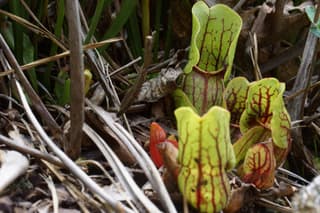
Easy 💧 10 days 🌡️ -15°C - 35°C
Purple Pitcher Plant
127
★ 98%

Purple Pitcher Plant

Sarracenia purpurea
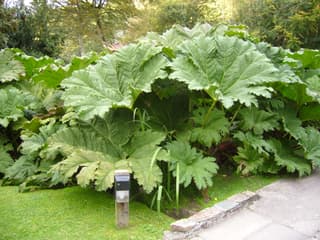
Medium 💧 2 days 🌡️ -15°C - 35°C
Giant Rhubarb
128
★ 98%

Giant Rhubarb

Gunnera manicata

Medium 💧 3 days 🌡️ -12°C - 30°C
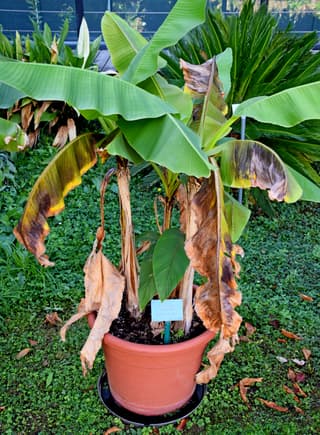
Japanese Banana
129
★ 97%

Japanese Banana

Musa basjoo

Easy 💧 4 days 🌡️ -12°C - 35°C
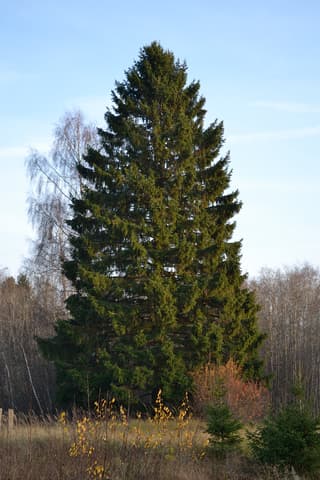
Norway Spruce
130
★ 97%

Norway Spruce

Picea abies

Medium 💧 7 days 🌡️ -40°C - 24°C
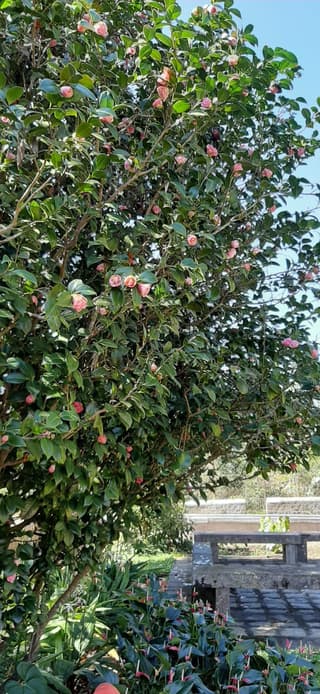
Sasanqua Camellia
131
★ 97%

Sasanqua Camellia

Camellia sasanqua

Medium 💧 7 days 🌡️ -12°C - 35°C
🌿
132
★ 97%

Black Felt Lichen

Placynthium nigrum

Hard 💧 3 days 🌡️ -10°C - 35°C
Soft Rush
133
★ 97%

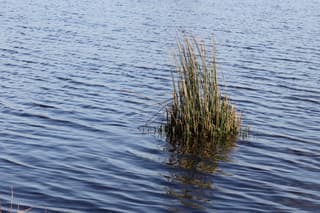
Soft Rush

Juncus effusus

Easy 💧 2 days 🌡️ -10°C - 32°C
Loquat
134
★ 97%

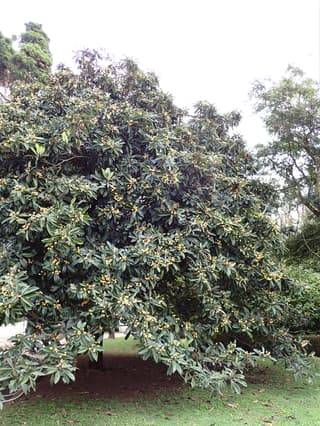
Loquat

Rhaphiolepis bibas

Easy 💧 10 days 🌡️ -12°C - 35°C
Southern Live Oak
135
★ 97%

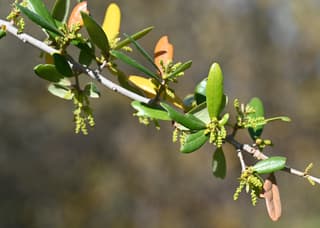
Southern Live Oak

Quercus virginiana

Medium 💧 14 days 🌡️ -12°C - 40°C
Leatherleaf
136
★ 97%

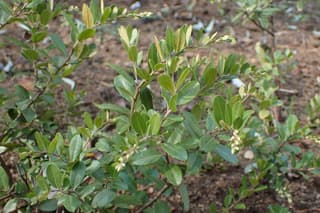
Leatherleaf

Chamaedaphne calyculata

Medium 💧 3 days 🌡️ -40°C - 24°C
🌿
137
★ 97%

Reindeer lichen

Cladonia rangiferina

Medium 💧 10 days 🌡️ -40°C - 25°C
Sand rose
138
★ 97%

Sand rose

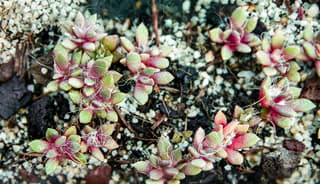
Anacampseros rufescens

Easy 💧 10 days 🌡️ -6.67°C - 26°C
Brush Cherry
139
★ 96%

Brush Cherry

Eugenia myrtifolia

Easy 💧 3 days 🌡️ -7°C - 35°C
Maqui berry
140
★ 96%

Maqui berry

Aristotelia chilensis

Easy 💧 7 days 🌡️ -5°C - 28°C
Aniseed Boronia
141
★ 96%

Aniseed Boronia

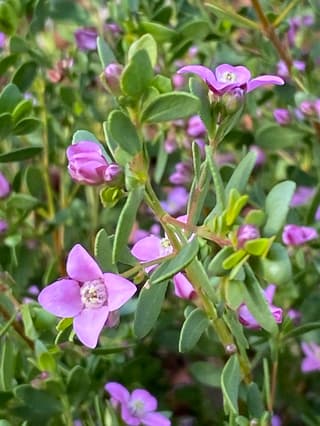
Boronia crenulata

Medium 💧 3 days 🌡️ -5°C - 32°C
Kahikatea
142
★ 96%

Kahikatea

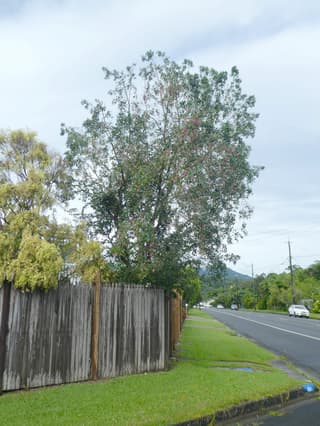
Dacrycarpus dacrydioides

Hard 💧 4 days 🌡️ -5°C - 28°C
Wright's Fishhook Cactus
143
★ 96%

Wright's Fishhook Cactus

Cochemiea wrightii
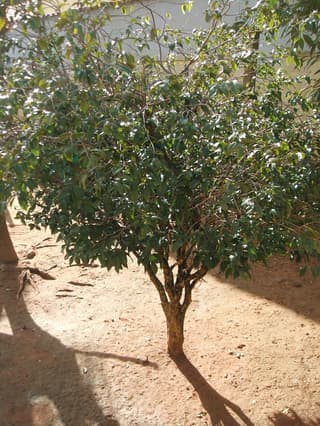
Medium 💧 14 days 🌡️ -7°C - 38°C
Jaboticaba
144
★ 96%

Jaboticaba

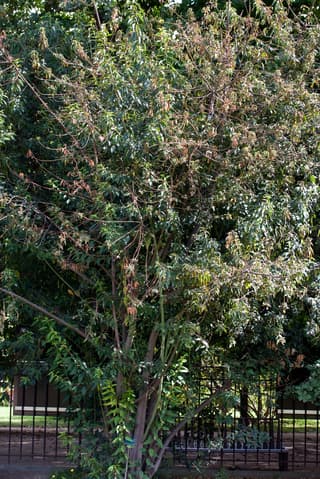
Plinia jaboticaba

Medium 💧 3 days 🌡️ -3°C - 28°C

Ideal Pet Safe for Nipawin's Climate

Nipawin has an average temperature of 3.5°C and humidity of 72.3%, conditions that directly influence which pet safe best adapt to the local environment.

How to Grow Pet Safe in Nipawin

To successfully grow pet safe in Nipawin, consider that the average temperature of 3.5°C and humidity of 72.3% create a specific microclimate. High humidity favors tropical species, but requires attention to ventilation to prevent fungal issues.

Advantages of Choosing Adapted Pet Safe

Pet Safe adapted to Nipawin's climate show greater resistance, healthy growth, and less need for interventions.