Elaeocarpaceae
Maqui berry: Edible Plant
Aristotelia chilensis
Requires full direct sun and well-drained soil. Needs regular watering but does not tolerate waterlogging; it is relatively free of serious diseases.
Every 7 days
Direct sun
-5° - 28°C
% - %
Categories
What is Maqui berry?
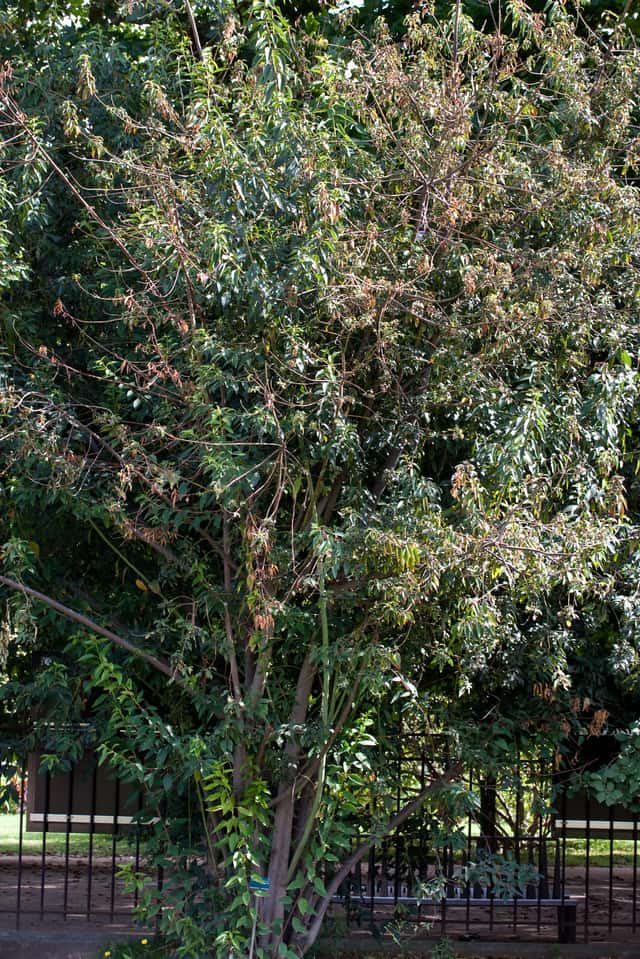
Maqui berry (Aristotelia chilensis) is a easy-care plant from the Elaeocarpaceae family. A perennial shrub or small tree native to southern Chile and Argentina. It produces dark, almost black berries with a flavor similar to blueberries, very rich in antioxidants. The Mapuche people have traditionally used it in medicine, food, and fermented beverages.
Maqui berry grows up to 3.0m, spread of 500cm, watering every 7 days, -5°C – 28°C. It is suitable for indoor environments and safe for pets.
Unlike many tropical plants, Maqui berry tolerates watering mistakes. Best for beginners. Unlike many popular species, Maqui berry is safe to keep around pets. Without adequate drainage, root rot can develop within 14 days.
How to Care for Maqui berry?
TLDR: Maqui berry needs Direct sun, watering every 7 days, and temperatures between -5-28°C with 40-70% humidity.
How Often Should You Water Maqui berry?
Keep the soil moist but not waterlogged; allow the top layer to dry slightly between waterings.
How Much Light Does Maqui berry Need?
Needs full direct sun; does not thrive in shade or with insufficient light.
What Is the Best Soil for Maqui berry?
Prefers slightly acidic to neutral soils (pH 5.5-7.0), well-drained and moderately fertile.
What Pot Should You Use for Maqui berry?
Terracotta or ceramic pots with good drainage; for adult specimens in containers, a minimum of 40-50 liters.
What Is Maqui berry and Where Does It Come From?
A perennial shrub or small tree native to southern Chile and Argentina. It produces dark, almost black berries with a flavor similar to blueberries, very rich in antioxidants. The Mapuche people have traditionally used it in medicine, food, and fermented beverages.
How to Propagate Maqui berry?
Seeds
Germinates easily in spring and does not require cold stratification.
- 1 Soak seeds in warm water for 24 hours
- 2 Sow in well-drained substrate
- 3 Maintain at 18-20°C and constant humidity
- 4 Transplant to pots when they reach 20 cm
- 5 Protect from frost during the first winter
Materials needed:
Semi-hardwood cuttings
Maintain 18-20°C and 70-80% humidity for reliable rooting.
- 1 Cut 10-15 cm semi-hardwood cuttings
- 2 Remove lower leaves
- 3 Apply rooting hormone
- 4 Insert into sand and peat (1:1)
- 5 Maintain high humidity in propagator
Materials needed:
How Big Does Maqui berry Grow?
TLDR: Maqui berry can reach up to 3.0m tall with Medium growth rate.
Max height
3.0m
Spread
5.0m
Growth rate
Medium
Foliage
Evergreen
Plant Uses
Ornamental
Great for decoration
Edible
Can be consumed
Medicinal
Medicinal properties
Medicinal Uses
- Relief of diarrhea and dysentery
- Treatment of throat infections
- Wound healing
- Antioxidant
- Immune system support
Culinary Uses
- Fresh berries
- Dehydrated berries
- Juices and beverages
- Maqui wine
- Natural dye
- Baking and pastries
Is your plant showing symptoms?
Click on the symptom to discover possible causes:
What Diseases Commonly Affect Maqui berry?
TLDR: Maqui berry is susceptible to 4 known diseases. Monitor regularly for early detection.
Root Rot
Root rot is a serious fungal disease that affects the root system of plants, causing them to decay and die. It is primarily caused by overwatering, poor drainage, or soil-borne fungi such as Pythium, Phytophthora, Rhizoctonia, and Fusarium. The disease thrives in waterlogged conditions where roots are deprived of oxygen, making them susceptible to fungal infection.
Aphids
Aphids are small, soft-bodied, pear-shaped insects (1/16 to 1/8 inch long) that feed by sucking nutrient-rich sap from plants. They reproduce rapidly and can quickly weaken plants, causing distorted growth and transmitting plant viruses. Aphids come in various colors including green, black, red, yellow, brown, and gray. They secrete honeydew, a sticky substance that attracts ants and encourages sooty mold growth.
Spider Mites
Spider mites are tiny arachnids (less than 1/20 inch long) related to spiders and ticks that feed on plant sap. They thrive in hot, dry conditions and can cause significant damage to ornamental and vegetable plants. During severe infestations, crop losses can reach 14% or higher as these pests disrupt vital plant processes including photosynthesis, carbon dioxide absorption, and transpiration.
Caterpillars
Caterpillars are the larval stage of moths and butterflies that feed voraciously on plant foliage, stems, flowers, and fruits. Common species include cabbage loopers, tomato hornworms, armyworms, and cutworms. These pests can cause extensive damage by consuming large amounts of plant tissue in a short time. They vary in size from small (1/4 inch) to large (5 inches), with colors ranging from green to brown, often featuring stripes or spots. Caterpillars are highly mobile and can quickly spread throughout gardens, making them one of the most destructive common pests.
Meaning & Symbolism
Sacred plant of the Mapuche people; symbol of traditional Chilean medicine and native heritage.
Compare with similar plants
| Attribute | Difficulty | Light | Watering | Pet Safe |
|---|---|---|---|---|
| Field Maple | Easy | Bright indirect | 14d | ✓ |
| Silver Birch | Easy | Direct sun | 14d | ✓ |
| Common Blanketflower | Easy | Direct sun | 10d | ✓ |
| Cushion Bush | Easy | Direct sun | 14d | ✓ |





