371 Best Succulents for New South Wales | 2026 Guide - Page 4
The 371 best succulents to grow in New South Wales. Ideal climate: 19.3°C, 46.3% humidity.
371 Succulents for New South Wales
Showing 109-144 of 371
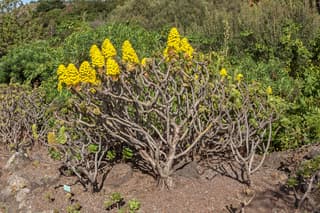
Tree Aeonium
Aeonium arboreum
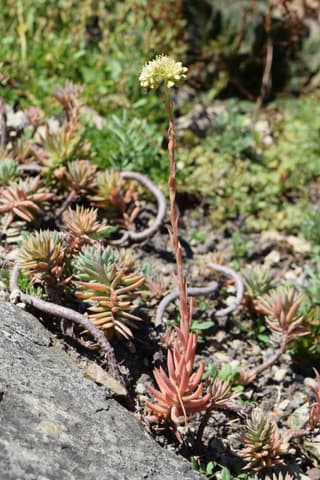
Pale Stonecrop
Petrosedum sediforme
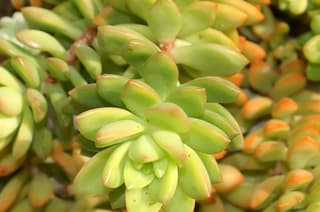
Golden Sedum
Sedum adolphi
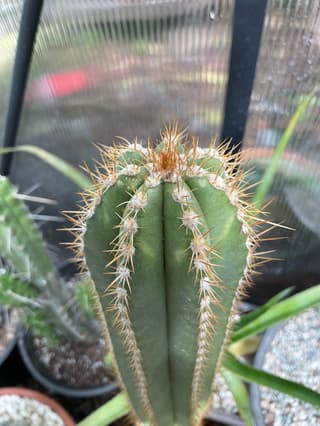
Pilosocereus (genus)
Pilosocereus
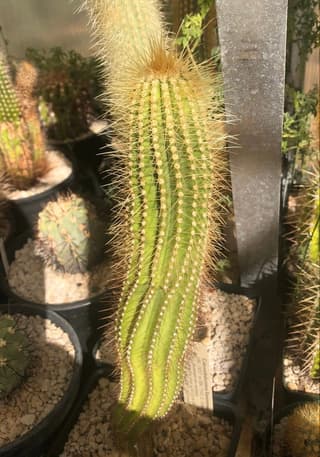
Fluminense Column Cactus
Coleocephalocereus fluminensis
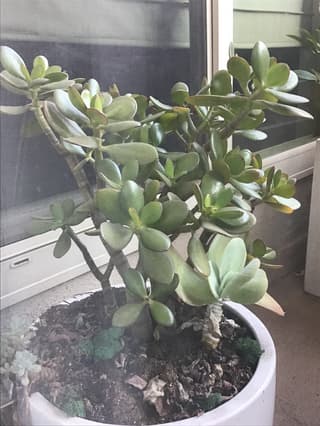
Crassula (genus)
Crassula
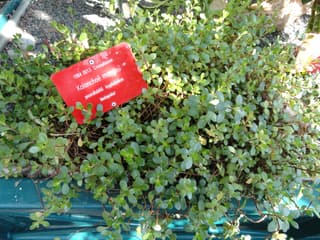
Chandelier Plant
Kalanchoe manginii
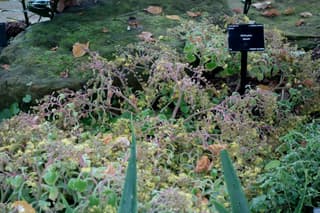
Tree of Love
Aichryson laxum
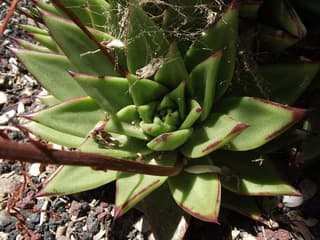
Lipstick Echeveria
Echeveria agavoides
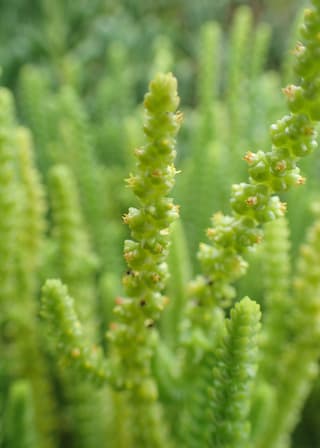
Watch Chain Plant
Crassula muscosa
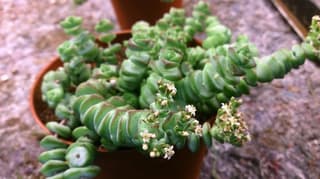
Worm Plant
Crassula marnieriana
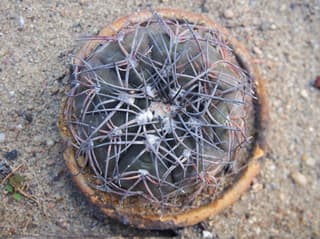
Pflanz's Chin Cactus
Gymnocalycium pflanzii
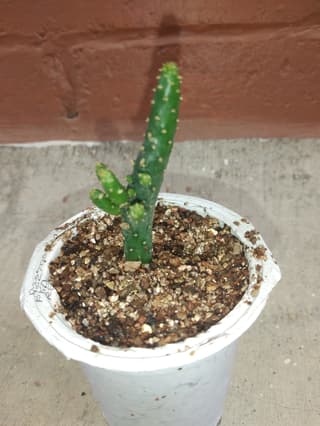
Tuna Prickly Pear
Opuntia tuna
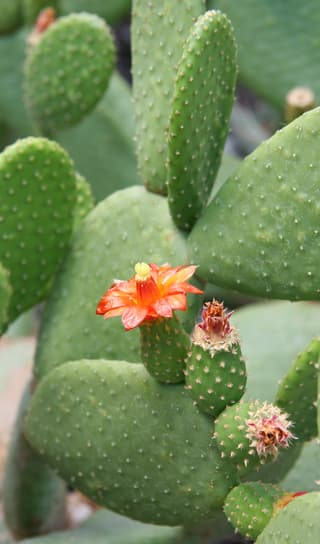
Pink Toad Cactus
Tacinga
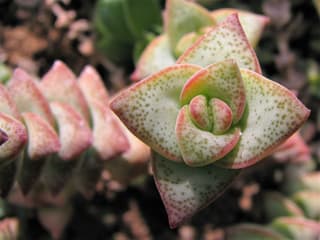
String of Buttons
Crassula perforata
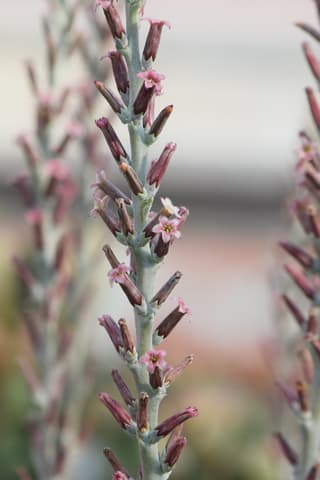
Plover Eggs Plant
Adromischus cooperi
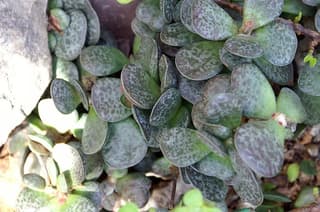
Calico Hearts
Adromischus maculatus
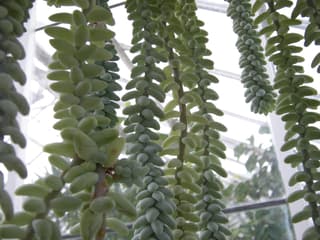
Baby Burro's Tail
Sedum burritum
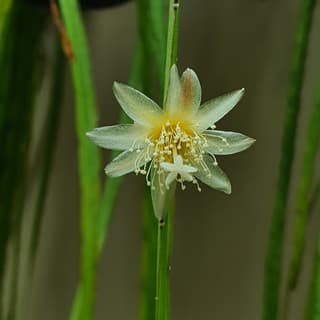
Bolivian Forest Cactus
Pfeiffera boliviana
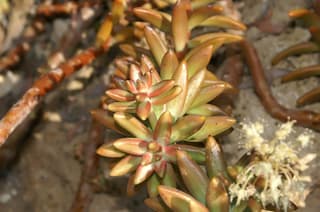
Coppertone Stonecrop
Sedum nussbaumerianum
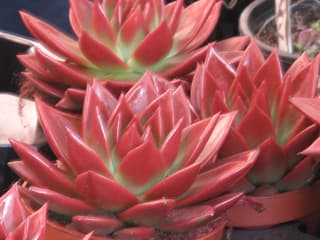
Miranda Echeveria
Echeveria 'Miranda'

Chin Cactus
Gymnocalycium
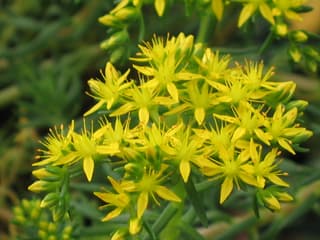
Mexican Stonecrop
Sedum mexicanum
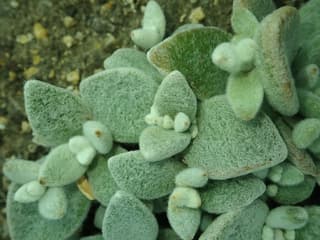
Snow white panda plant
Kalanchoe eriophylla
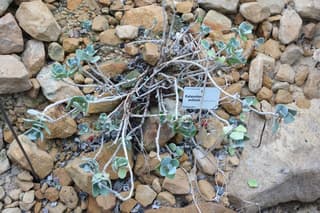
Millot Kalanchoe
Kalanchoe millotii
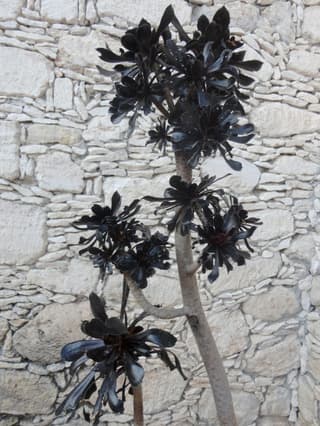
Black Rose
Aeonium 'Zwartkop'
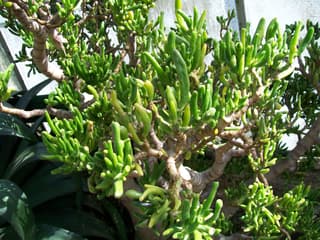
Gollum Jade
Crassula ovata 'Gollum'

Chenille Plant
Echeveria pulvinata
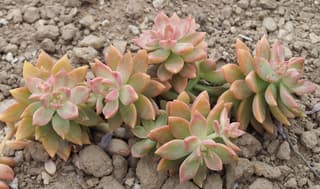
California Sunset
Graptosedum 'California Sunset'
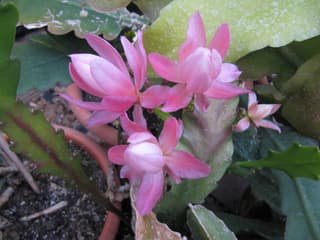
German Empress
Disocactus phyllanthoides
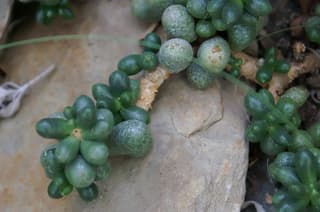
Jellybean Sedum
Sedum hernandezii

Gray Ghost Organ Pipe Cactus
Stenocereus pruinosus
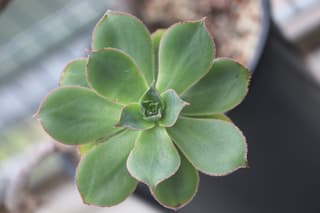
Green Pinwheel
Aeonium decorum

Powder Puff Cactus
Mammillaria bocasana
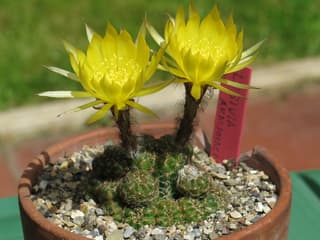
Spider Cactus
Lobivia arachnacantha
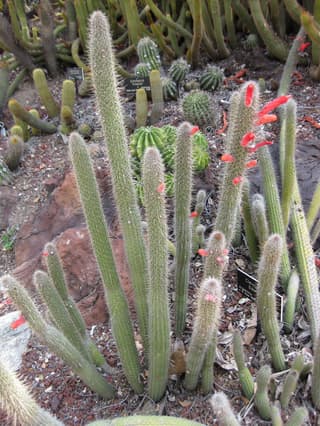
Scarlet Bugler
Cleistocactus baumannii
Ideal Succulents for New South Wales's Climate
New South Wales has an average temperature of 19.3°C and humidity of 46.3%, conditions that directly influence which succulents best adapt to the local environment.
How to Grow Succulents in New South Wales
To successfully grow succulents in New South Wales, consider that the average temperature of 19.3°C and humidity of 46.3% create a specific microclimate. Lower humidity requires more frequent watering and use of drip trays.
Advantages of Choosing Adapted Succulents
Succulents adapted to New South Wales's climate show greater resistance, healthy growth, and less need for interventions.