364 Best Succulents for Kendall | 2026 Guide - Page 7
The 364 best succulents to grow in Kendall. Ideal climate: 24.6°C, 77.3% humidity.
364 Succulents for Kendall
Showing 217-252 of 364
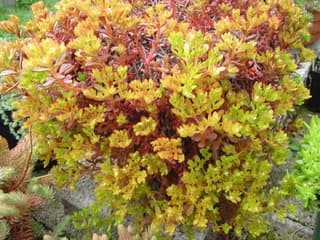
Japanese Stonecrop
Sedum makinoi
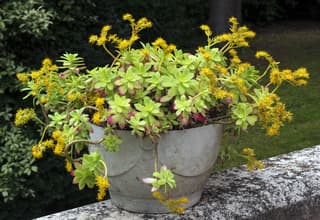
Pacific Stonecrop
Sedum spathulifolium
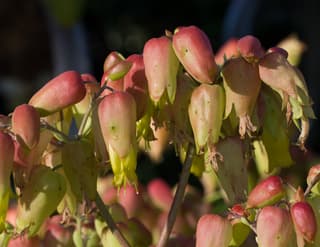
Milky Widow's Thrill
Kalanchoe laxiflora
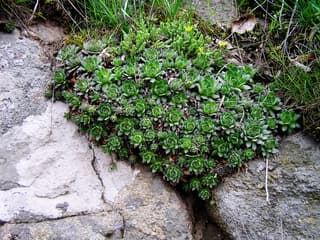
Russian Houseleek
Sempervivum ruthenicum
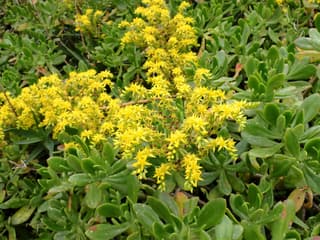
Shrubby Stonecrop
Sedum praealtum
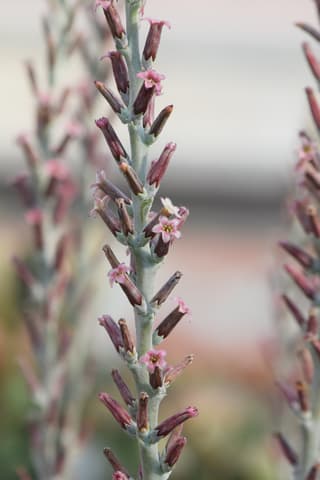
Plover Eggs Plant
Adromischus cooperi
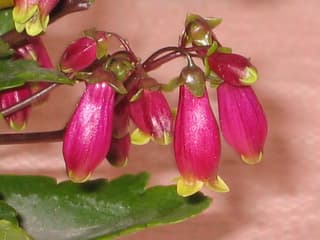
Pearl Bells
Kalanchoe porphyrocalyx
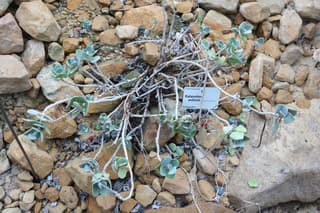
Millot Kalanchoe
Kalanchoe millotii
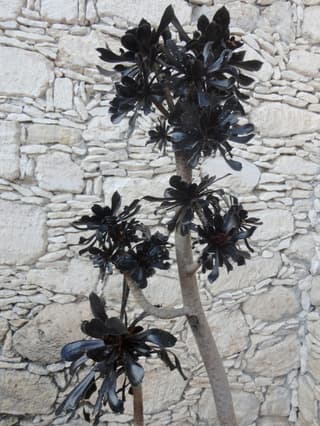
Black Rose
Aeonium 'Zwartkop'

Corsican Stonecrop
Sedum dasyphyllum
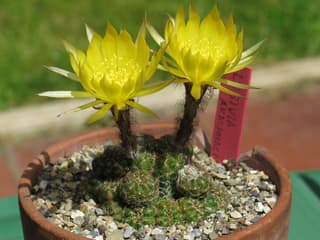
Spider Cactus
Lobivia arachnacantha
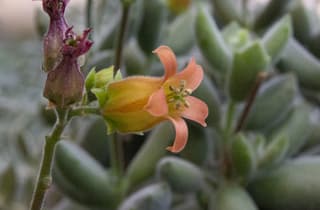
Bear's Paw
Cotyledon tomentosa
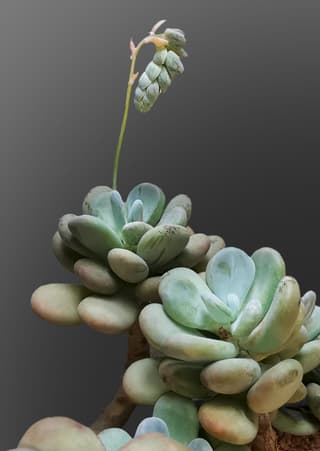
Moonstones
Pachyphytum
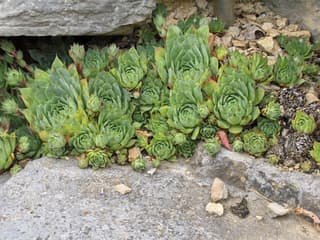
Common Houseleek
Sempervivum tectorum
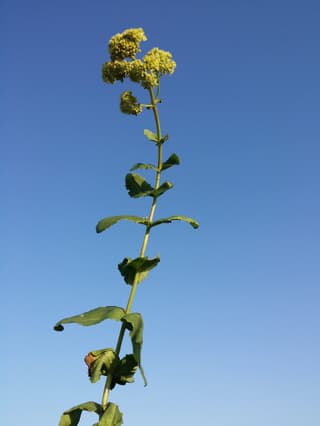
Great Stonecrop
Hylotelephium maximum
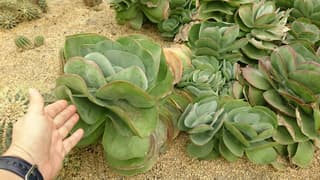
Flapjack Plant
Kalanchoe luciae
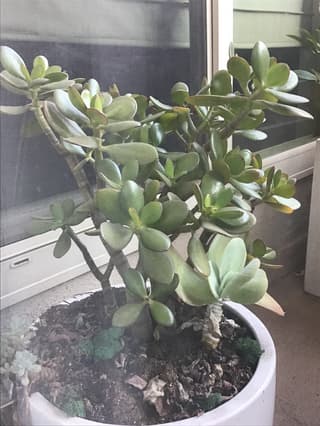
Crassula (genus)
Crassula
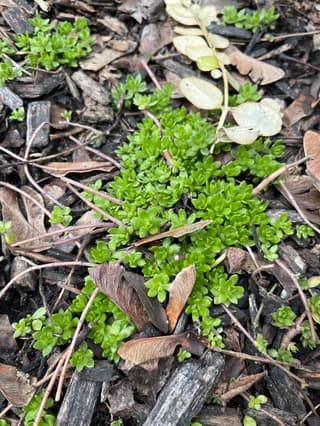
Stringy Stonecrop
Sedum sarmentosum
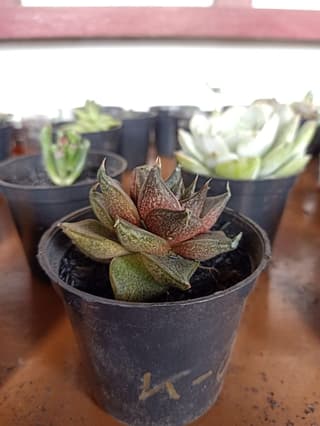
Purpus's Echeveria
Echeveria purpusorum
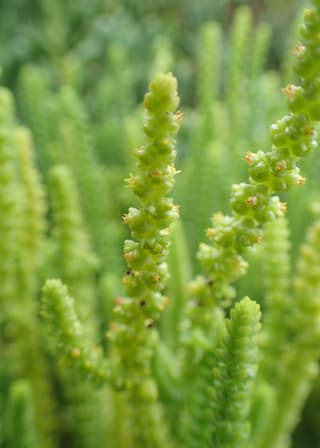
Watch Chain Plant
Crassula muscosa
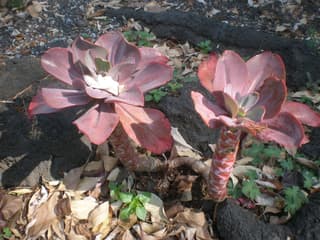
Carnival Echeveria
Echeveria gibbiflora
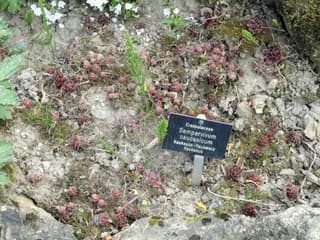
Caucasian Houseleek
Sempervivum caucasicum
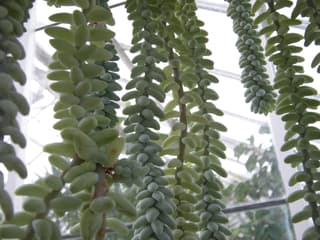
Baby Burro's Tail
Sedum burritum
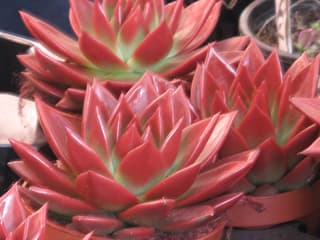
Miranda Echeveria
Echeveria 'Miranda'
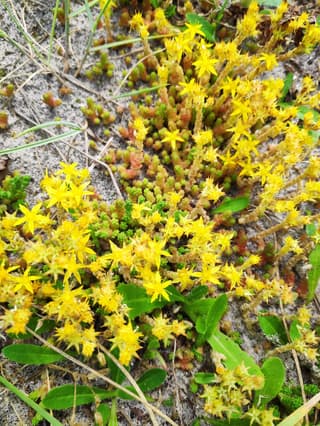
Goldmoss stonecrop
Sedum acre
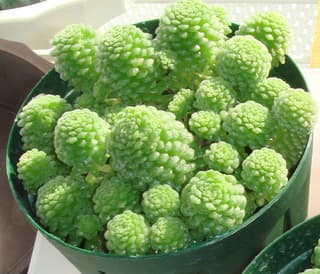
Monanthes polyphylla
Monanthes polyphylla
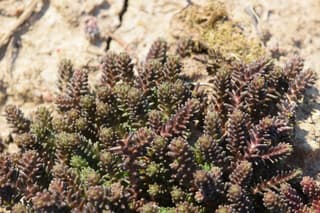
tasteless stonecrop
Sedum sexangulare
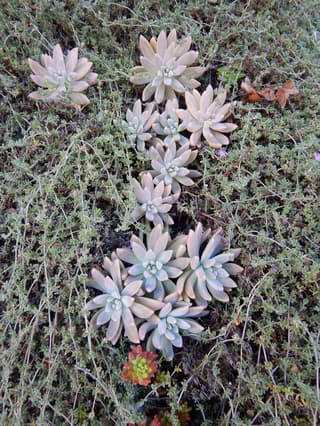
Graptosedum
Graptosedum
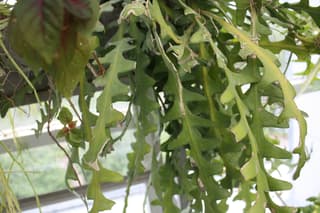
Ric Rac Cactus
Selenicereus anthonyanus
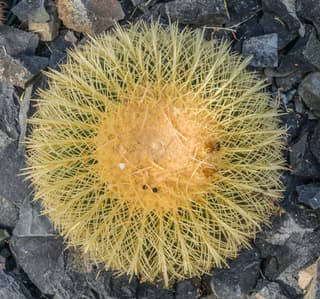
Golden Barrel Cactus
Kroenleinia grusonii
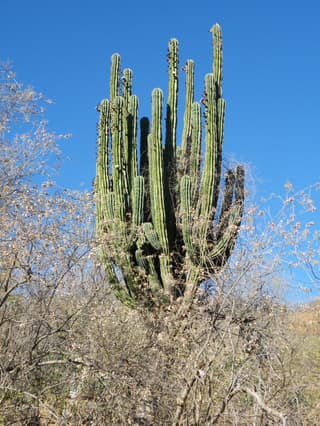
Indian Comb Cactus
Pachycereus pecten-aboriginum
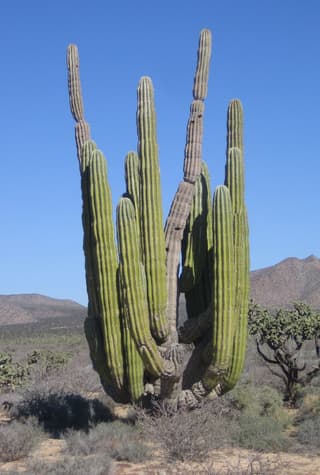
Mexican giant cardón
Pachycereus pringlei
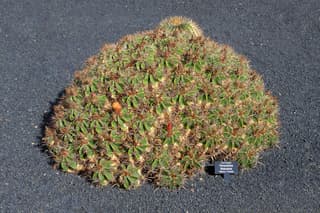
Barrel Cactus
Ferocactus
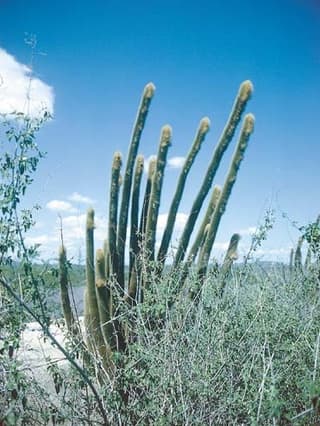
Brazilian Cactus
Pilosocereus chrysostele
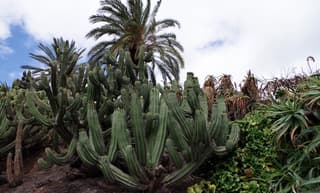
Chichipe Cactus
Polaskia chichipe
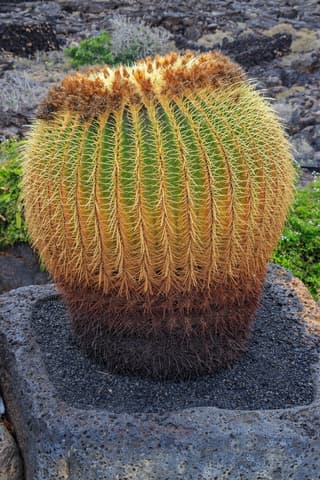
Golden Barrel Cactus
Echinocactus grusonii
Ideal Succulents for Kendall's Climate
Kendall has an average temperature of 24.6°C and humidity of 77.3%, conditions that directly influence which succulents best adapt to the local environment.
How to Grow Succulents in Kendall
To successfully grow succulents in Kendall, consider that the average temperature of 24.6°C and humidity of 77.3% create a specific microclimate. High humidity favors tropical species, but requires attention to ventilation to prevent fungal issues.
Advantages of Choosing Adapted Succulents
Succulents adapted to Kendall's climate show greater resistance, healthy growth, and less need for interventions.