347 Best Succulents for Esbjerg | 2026 Guide - Page 3
The 347 best succulents to grow in Esbjerg. Ideal climate: 9.8°C, 80.1% humidity.
347 Succulents for Esbjerg
Showing 73-108 of 347
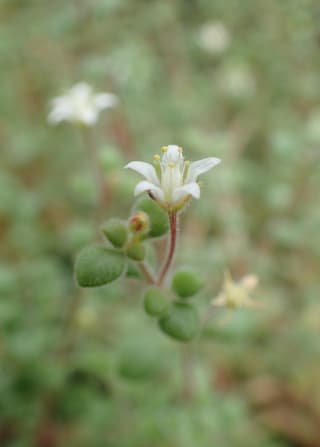
Fragile Crassula
Crassula expansa subsp. fragilis
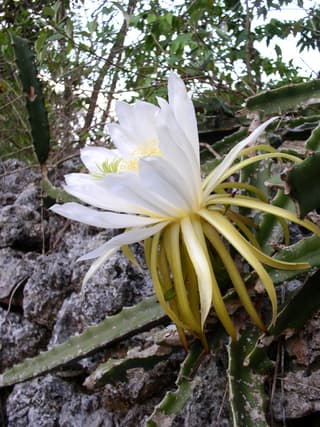
Strawberry Pear
Selenicereus triangularis
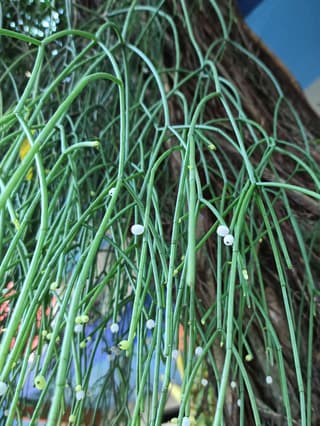
Mistletoe Cactus
Rhipsalis
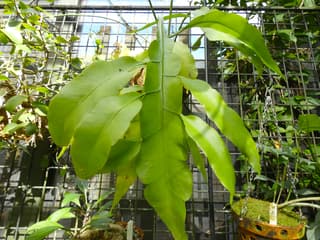
Queen of the Night
Epiphyllum oxypetalum
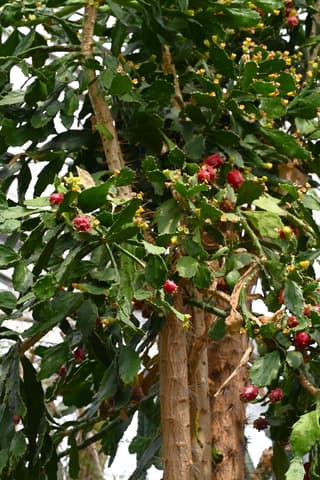
Brazilian Tree Cactus
Brasiliopuntia brasiliensis
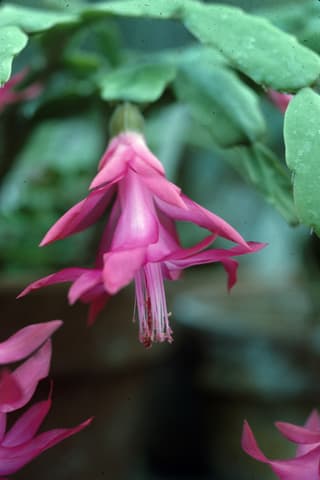
Christmas Cactus
Schlumbergera buckleyi
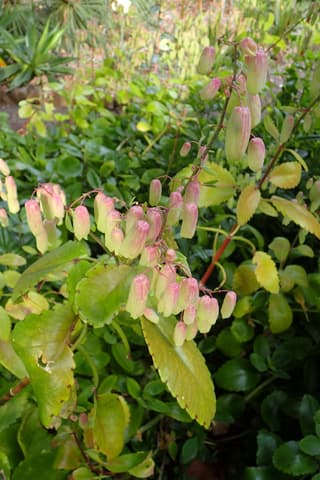
Cathedral Bells
Kalanchoe pinnata
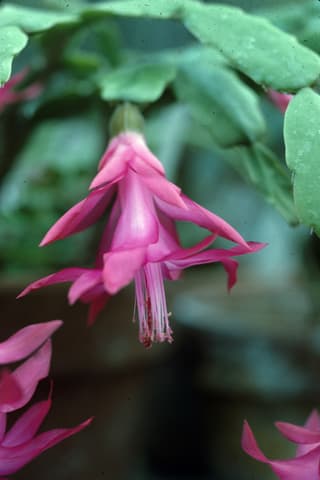
Christmas Cactus
Schlumbergera × buckleyi
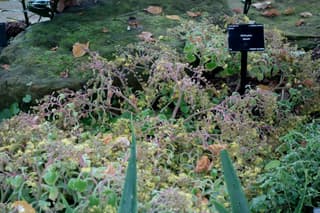
Tree of Love
Aichryson laxum
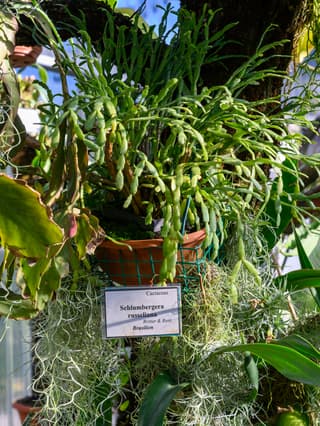
Christmas Cactus
Schlumbergera russelliana
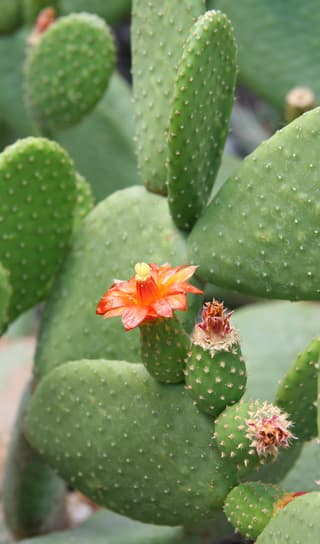
Pink Toad Cactus
Tacinga
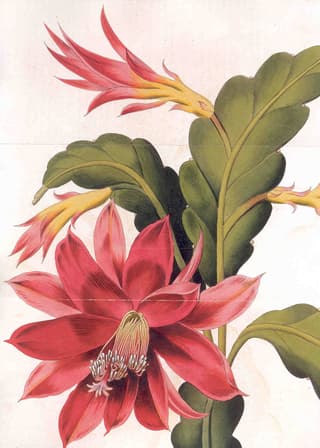
Red Orchid Cactus
Disocactus ackermannii
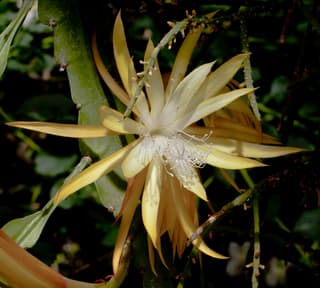
Fishbone cactus
Epiphyllum anguliger
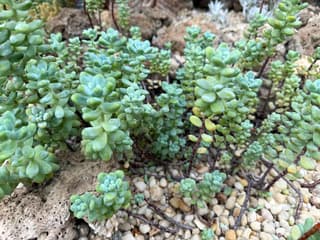
Jelly Bean Plant
Sedum pachyphyllum
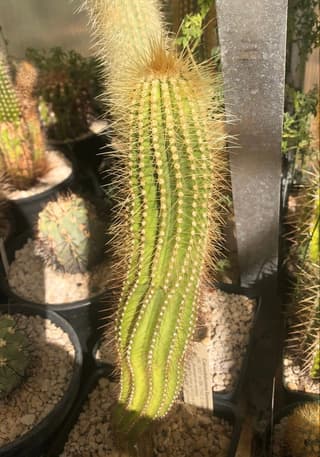
Fluminense Column Cactus
Coleocephalocereus fluminensis
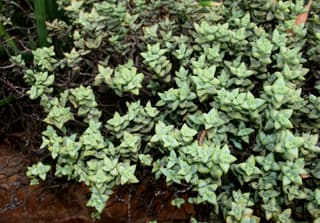
Concertina Plant
Crassula rupestris
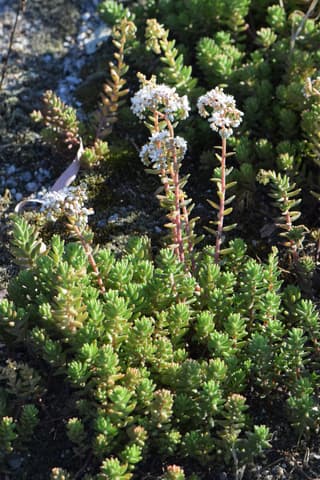
White Stonecrop
Sedum album
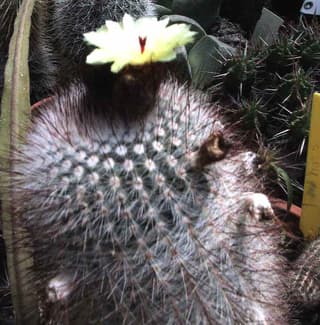
Silver Ball Cactus
Parodia scopa
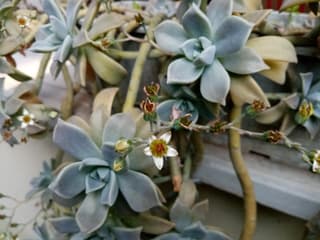
Ghost Plant
Graptopetalum
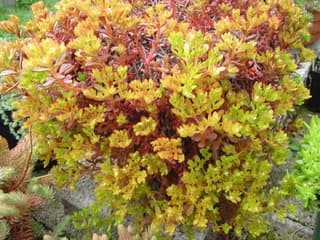
Japanese Stonecrop
Sedum makinoi

Blue Spruce Stonecrop
Sedum reflexum
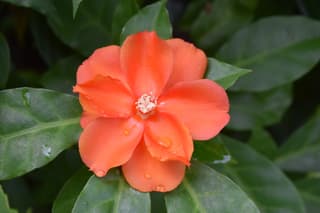
Leaf Cactus
Leuenbergeria
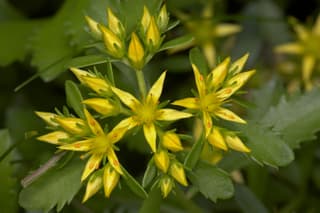
Orange Stonecrop
Sedum kamtschaticum
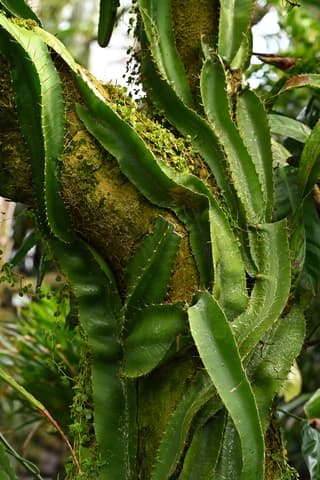
Climbing Cactus
Epiphyllum phyllanthus
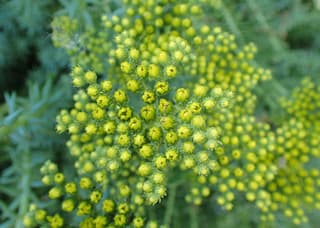
Blue Stonecrop
Petrosedum rupestre
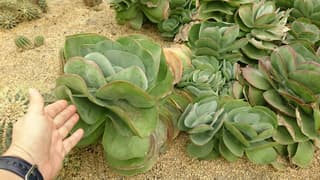
Flapjack Plant
Kalanchoe luciae
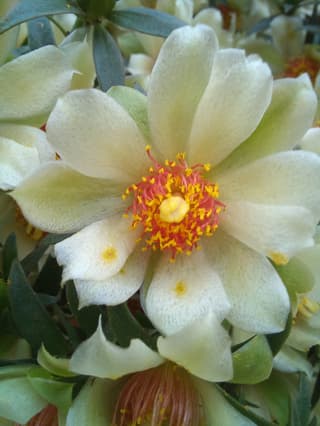
Ora-pro-nobis
Pereskia aculeata
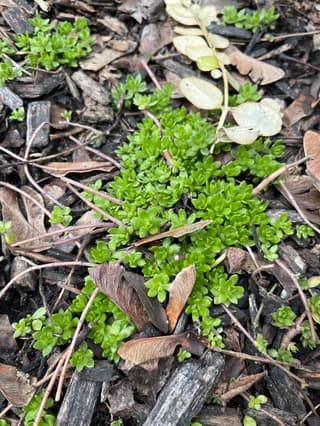
Stringy Stonecrop
Sedum sarmentosum
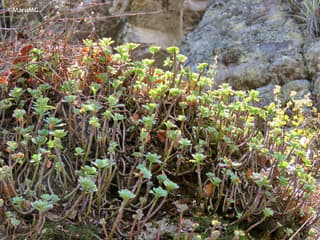
Palmer's Sedum
Sedum palmeri
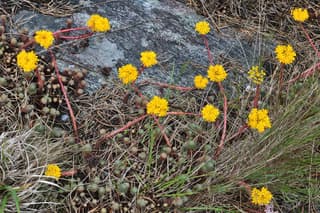
Rock Stonecrop
Petrosedum forsterianum
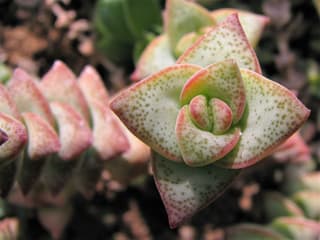
String of Buttons
Crassula perforata
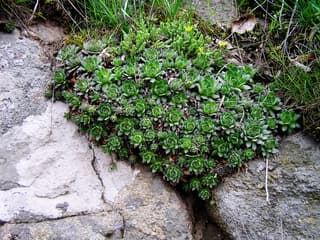
Russian Houseleek
Sempervivum ruthenicum

Corsican Stonecrop
Sedum dasyphyllum
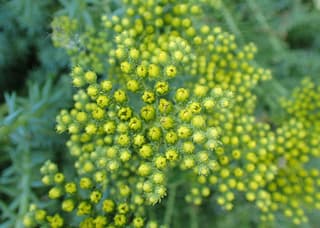
Stonecrop
Petrosedum
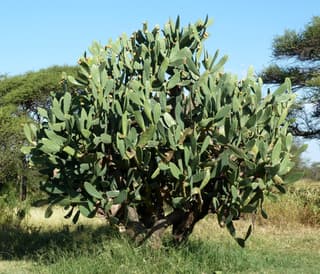
Prickly Pear Cactus
Opuntia
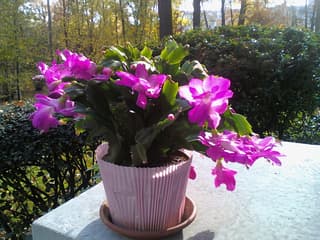
Thanksgiving Cactus
Schlumbergera truncata
Ideal Succulents for Esbjerg's Climate
Esbjerg has an average temperature of 9.8°C and humidity of 80.1%, conditions that directly influence which succulents best adapt to the local environment.
How to Grow Succulents in Esbjerg
To successfully grow succulents in Esbjerg, consider that the average temperature of 9.8°C and humidity of 80.1% create a specific microclimate. High humidity favors tropical species, but requires attention to ventilation to prevent fungal issues.
Advantages of Choosing Adapted Succulents
Succulents adapted to Esbjerg's climate show greater resistance, healthy growth, and less need for interventions.