344 Best Succulents for Chos Malal | 2026 Guide - Page 2
The 344 best succulents to grow in Chos Malal. Ideal climate: 14°C, 47.3% humidity.
344 Succulents for Chos Malal
Showing 37-72 of 344
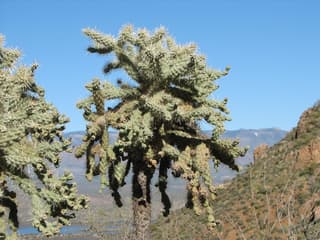
Cholla
Cylindropuntia
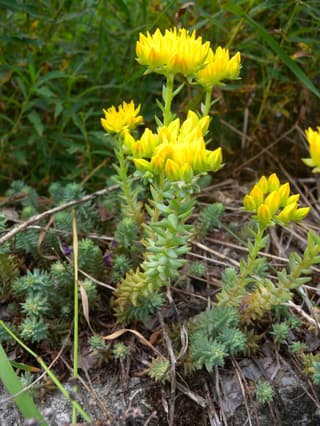
Jenny's Stonecrop
Sedum rupestre
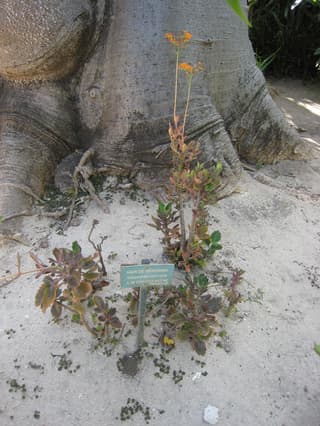
Christmas Tree Plant
Kalanchoe laciniata
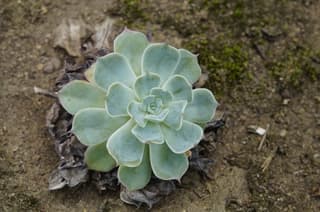
Blue Echeveria
Echeveria secunda
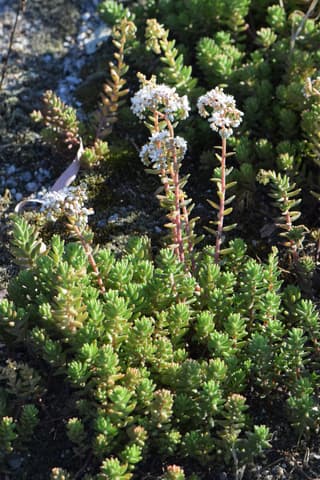
White Stonecrop
Sedum album
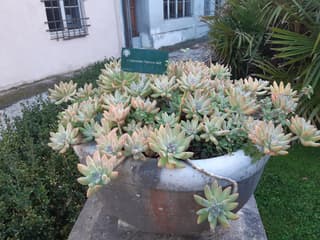
Pink Sedeveria
Graptosedum 'Francesco Baldi'
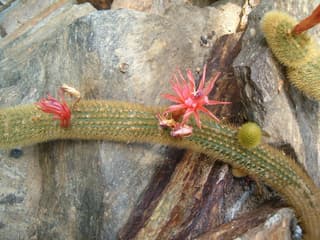
Golden Rat-tail Cactus
Cleistocactus winteri
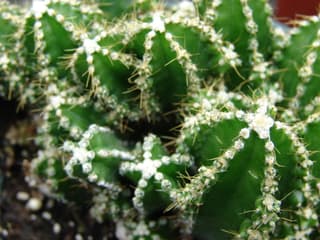
Giant Peruvian Cereus
Cereus peruvianus
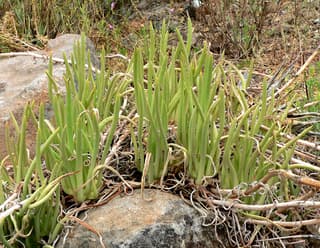
Fingertips
Dudleya edulis
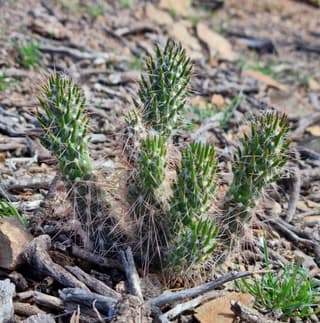
Old Man of the Andes
Austrocylindropuntia vestita
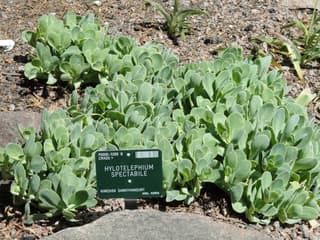
Showy Stonecrop
Sedum spectabile
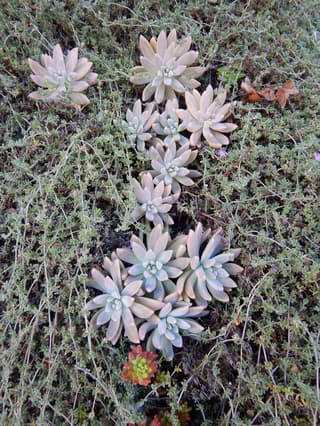
Graptosedum
Graptosedum
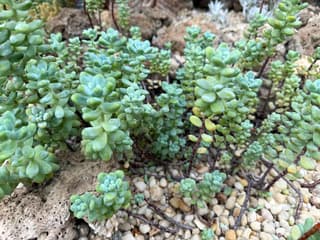
Jelly Bean Plant
Sedum pachyphyllum
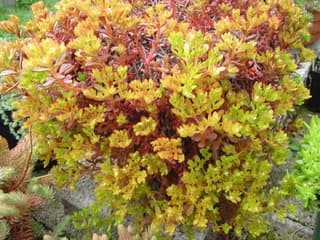
Japanese Stonecrop
Sedum makinoi
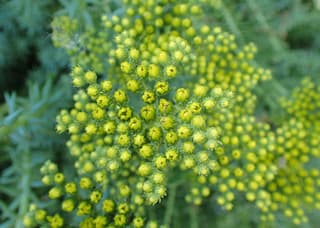
Blue Stonecrop
Petrosedum rupestre
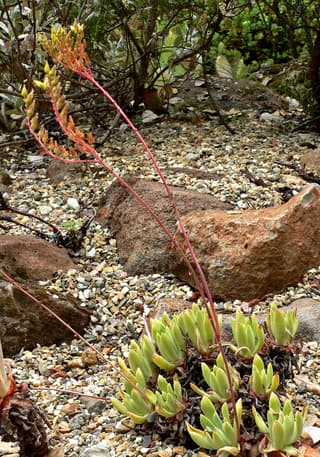
Greene's Liveforever
Dudleya greenei
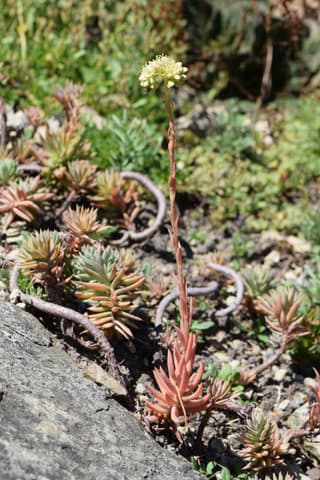
Pale Stonecrop
Petrosedum sediforme
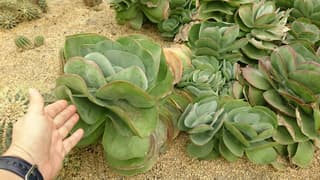
Flapjack Plant
Kalanchoe luciae
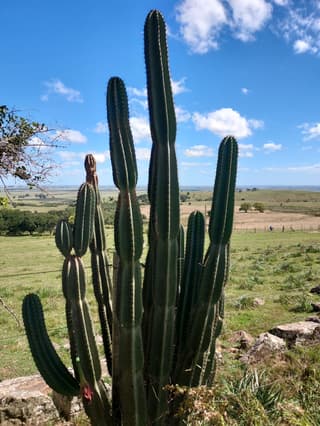
Cereus / Hedge Cactus (genus)
Cereus
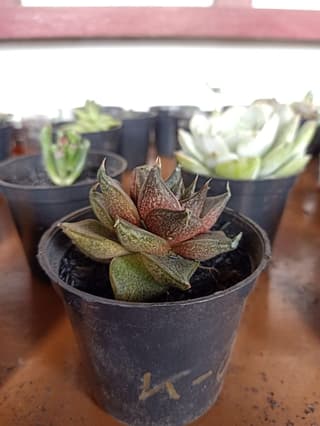
Purpus's Echeveria
Echeveria purpusorum
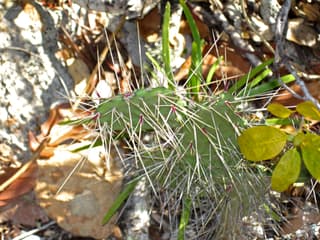
Sweet Prickly Pear
Opuntia dillenii
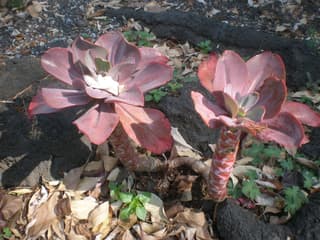
Carnival Echeveria
Echeveria gibbiflora
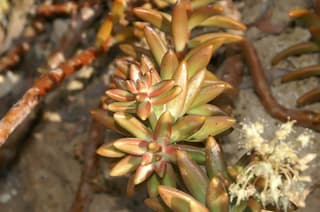
Coppertone Stonecrop
Sedum nussbaumerianum
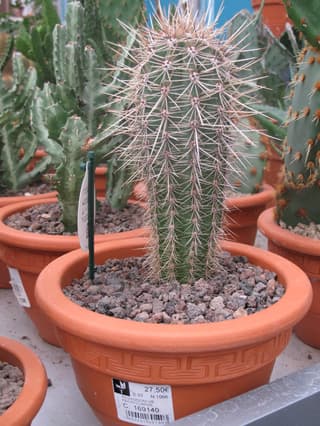
Brazilian Blue Cactus
Pilosocereus azureus
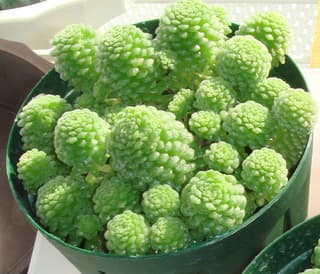
Monanthes polyphylla
Monanthes polyphylla
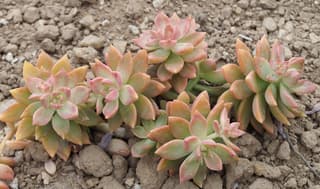
California Sunset
Graptosedum 'California Sunset'

Blue Spruce Stonecrop
Sedum reflexum

Chilean Corkscrew Cactus
Eulychnia castanea
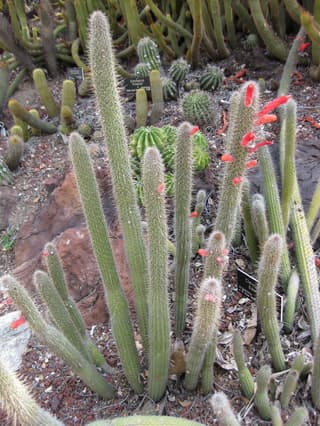
Scarlet Bugler
Cleistocactus baumannii
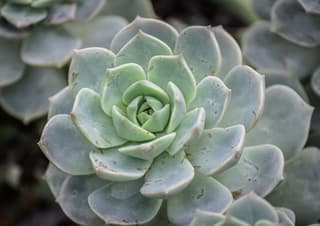
Plush Plant
Echeveria harmsii
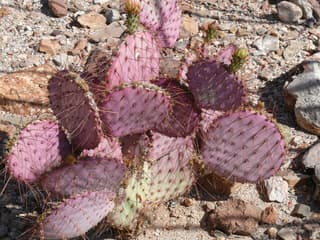
Violet Prickly Pear
Opuntia gosseliniana
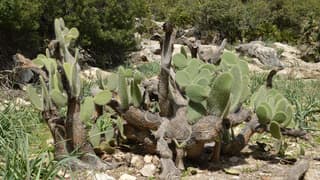
Aaron's Beard Cactus
Opuntia leucotricha
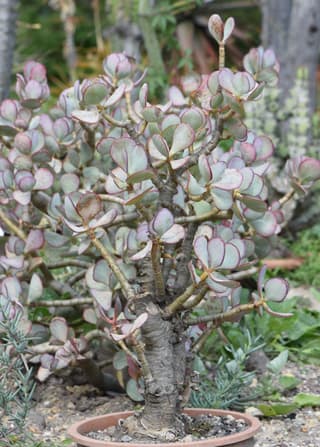
Silver Jade Plant
Crassula arborescens
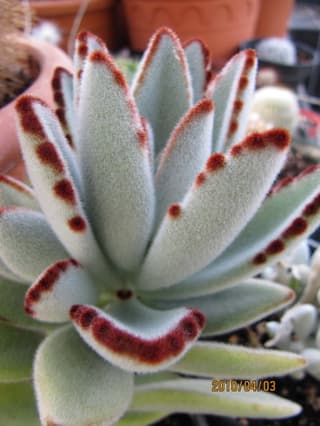
Panda Plant
Kalanchoe tomentosa
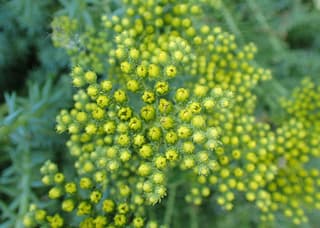
Stonecrop
Petrosedum

Chalk Dudleya
Dudleya pulverulenta
Ideal Succulents for Chos Malal's Climate
Chos Malal has an average temperature of 14°C and humidity of 47.3%, conditions that directly influence which succulents best adapt to the local environment.
How to Grow Succulents in Chos Malal
To successfully grow succulents in Chos Malal, consider that the average temperature of 14°C and humidity of 47.3% create a specific microclimate. Lower humidity requires more frequent watering and use of drip trays.
Advantages of Choosing Adapted Succulents
Succulents adapted to Chos Malal's climate show greater resistance, healthy growth, and less need for interventions.