Cactaceae
Candelabra cactus: Edible Plant
Browningia candelaris
This is an extremely slow-growing cactus that is very demanding regarding drainage: it requires full or nearly full sun, sparse and spaced watering during spring and summer, and must be kept completely dry in winter, as it is highly sensitive to root moisture. It tolerates intense heat and very brief, light frosts, but not prolonged damp cold. Due to its slow growth rate, it rarely requires frequent repotting or pruning.
Every 21 days
Direct sun
-2° - 32°C
10% - 30%
Categories
What is Candelabra cactus?
Candelabra cactus (Browningia candelaris) is a hard-care plant from the Cactaceae family. Browningia candelaris is a large columnar cactus endemic to the arid slopes of the Andes in southern Peru and northern Chile, where it grows between 1,600 and 3,000 meters above sea level in the heart of the Atacama Desert, one of the driest places on Earth. Young specimens form a single, heavily sp...
Candelabra cactus grows up to 7.0m, watering every 21 days, -2°C – 32°C, 10–30% humidity. It is not suitable for indoor environments and safe for pets.
Unlike easy-care plants, Candelabra cactus demands constant attention to humidity and light. Not recommended for beginners. Unlike many popular species, Candelabra cactus is safe to keep around pets.
How to Care for Candelabra cactus?
TLDR: Candelabra cactus needs Direct sun, watering every 21 days, and temperatures between -2-32°C with 10-30% humidity.
How Often Should You Water Candelabra cactus?
Water sparingly only during the warm season, allowing the substrate to dry out completely between waterings, and suspend watering entirely during the cold months to prevent root rot.
How Much Light Does Candelabra cactus Need?
Place it in the sunniest spot possible with several hours of direct sunlight per day; for container-grown plants, gradually acclimate it to full sun to avoid scorching young stems.
What Is the Best Soil for Candelabra cactus?
Use a very coarse and well-draining mineral mix, such as a cactus substrate with coarse sand, gravel, or pumice, and a pot with excellent drainage to prevent waterlogging.
What Pot Should You Use for Candelabra cactus?
Unglazed terracotta or clay pot with multiple drainage holes, slightly wider than deep to accommodate slow root development and prevent excess damp substrate.
Care Schedule
Fertilize
Every 60 days
What Is Candelabra cactus and Where Does It Come From?
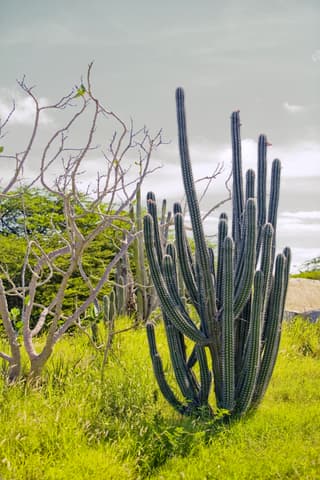
Browningia candelaris is a large columnar cactus endemic to the arid slopes of the Andes in southern Peru and northern Chile, where it grows between 1,600 and 3,000 meters above sea level in the heart of the Atacama Desert, one of the driest places on Earth. Young specimens form a single, heavily spined columnar trunk with straight brown spines up to 15 cm long; with age, the upper part of the trunk develops a crown of slender, cylindrical, and nearly spineless branches, giving the plant the characteristic candelabra-like appearance for which it is named. It can reach between 5 and 7 meters in height, with a trunk up to 50 cm in diameter. Its white, tubular flowers, measuring 8 to 12 cm, bloom at night on the upper branches and last barely 24 hours, followed by fleshy, yellow, edible fruits up to 7 cm long.
How to Propagate Candelabra cactus?
Sowing from seeds
Use fresh seeds to improve germination rates and be patient: seedlings take years to reach a significant size.
- 1 Sow fresh seeds on a fine, well-draining mineral substrate that has been pre-moistened
- 2 Barely cover with a thin layer of substrate or leave them exposed to light
- 3 Keep in a warm, bright environment with constant humidity but without waterlogging, covering with plastic or glass to retain moisture
- 4 Uncover gradually after germination and reduce watering frequency as seedlings grow
- 5 Transplant seedlings into individual pots only when they are well-established, given their very slow growth
Materials needed:
Branch cuttings
This is an unusual method with a low success rate for this species; prioritizing seed propagation is recommended.
- 1 Cut a healthy upper branch using a clean, sharp tool
- 2 Allow the cut to callus in a dry, warm, and shaded place for several days to a week
- 3 Plant the cutting in a very well-draining mineral substrate without watering immediately
- 4 Water very sparingly once signs of rooting are observed
Materials needed:
How Big Does Candelabra cactus Grow?
TLDR: Candelabra cactus can reach up to 7.0m tall with Slow growth rate.
Max height
7.0m
Growth rate
Slow
Foliage
Evergreen
Plant Uses
Ornamental
Great for decoration
Edible
Can be consumed
Culinary Uses
- Fleshy yellow fruit consumed fresh by local communities in its native range
Is your plant showing symptoms?
Click on the symptom to discover possible causes:
What Diseases Commonly Affect Candelabra cactus?
TLDR: Candelabra cactus is susceptible to 5 known diseases. Monitor regularly for early detection.
Overwatering
Overwatering occurs when plants receive too much water, depriving roots of oxygen and causing root rot. This environmental stress is one of the most common causes of houseplant death, as waterlogged soil prevents roots from breathing and functioning properly.
Root Rot
Root rot is a serious fungal disease that affects the root system of plants, causing them to decay and die. It is primarily caused by overwatering, poor drainage, or soil-borne fungi such as Pythium, Phytophthora, Rhizoctonia, and Fusarium. The disease thrives in waterlogged conditions where roots are deprived of oxygen, making them susceptible to fungal infection.
Mealybugs
Mealybugs are small, soft-bodied insects covered with a white, waxy, cottony material. They are common pests of houseplants and outdoor plants in mild climates. These sap-sucking insects feed on plant tissue, causing damage, stunted growth, and can lead to plant death if left untreated. They produce sticky honeydew which attracts sooty mold.
Scale Insects
Scale insects are small sap-sucking pests that appear as brown, shell-like bumps on plant stems and leaves. There are over 25 species, divided into armored (hard) and unarmored (soft) scales. They feed by piercing plant tissue and extracting sap, which weakens the plant and can lead to yellowing, stunted growth, and even death if left untreated. They also excrete honeydew, which attracts ants and promotes sooty mold growth.
Meaning & Symbolism
As a columnar cactus of the Andean highlands, the candelabra cactus symbolizes resilience, longevity, and adaptation to extreme conditions; in its native region, it is an iconic part of the Atacama Desert landscape.
Compare with similar plants
| Attribute | Difficulty | Light | Watering | Pet Safe |
|---|---|---|---|---|
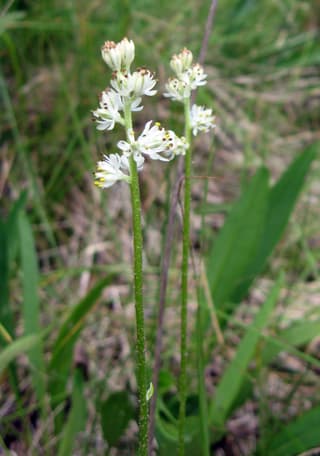
| Sticky false asphodel | Hard | Bright indirect | 1d | ✓ |
| Chilean Cacti | Easy | Direct sun | 14d | ✓ |
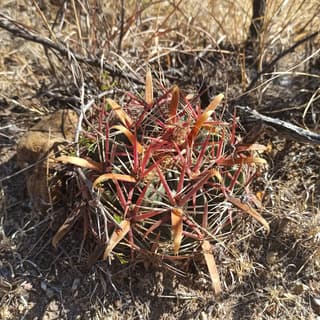
| Devils Tongue Cactus | Easy | Direct sun | 21d | ✓ |
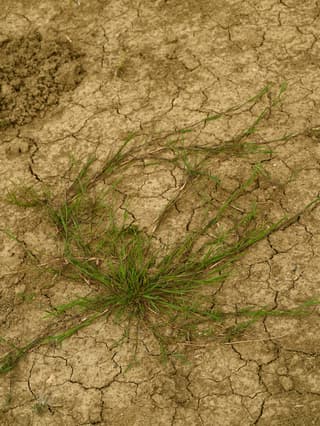
| Creeping bentgrass | Hard | Direct sun | 3d | ✓ |