Polyporaceae
Black-footed polypore: Best for Low Light
Picipes badius
This fungus requires a humid forest environment and decaying hardwood to develop. It cannot be cultivated like a traditional green plant.
Every 3 days
Low light
10° - 25°C
70% - 95%
Categories
What is Black-footed polypore?
Black-footed polypore (Picipes badius) is a hard-care plant from the Polyporaceae family. Picipes badius, formerly known as Polyporus badius, is a wood-decay fungus characterized by its smooth, shiny cap ranging from bay-brown to chestnut in color. Its stem is typically black at the base and off-center. It is primarily found on the deadwood of deciduous trees. Although non-toxic, its tex...
Black-footed polypore grows up to 20cm, spread of 25cm, watering every 3 days, 10°C – 25°C, 70–95% humidity. It is not suitable for indoor environments and safe for pets.
Unlike easy-care plants, Black-footed polypore demands constant attention to humidity and light. Not recommended for beginners. Unlike many popular species, Black-footed polypore is safe to keep around pets.
How to Care for Black-footed polypore?
TLDR: Black-footed polypore needs Low light, watering every 3 days, and temperatures between 10-25°C with 70-95% humidity.
How Often Should You Water Black-footed polypore?
The woody substrate must remain water-saturated, especially during dry periods.
How Much Light Does Black-footed polypore Need?
Prefers shaded, damp areas of deciduous forests, away from direct sunlight.
What Is the Best Soil for Black-footed polypore?
Requires lignin-rich decaying hardwood rather than soil.
What Pot Should You Use for Black-footed polypore?
Not suitable for pot cultivation; requires deadwood logs (beech, oak).
Care Schedule
Misting
Every 1 days
What Is Black-footed polypore and Where Does It Come From?
Picipes badius, formerly known as Polyporus badius, is a wood-decay fungus characterized by its smooth, shiny cap ranging from bay-brown to chestnut in color. Its stem is typically black at the base and off-center. It is primarily found on the deadwood of deciduous trees. Although non-toxic, its texture becomes extremely leathery with age, making it inedible.
How to Propagate Black-footed polypore?
Spore inoculation
- Maintain constant wood moisture
- Use beech wood for best results
- 1 Spore collection
Place a mature cap on a clean surface to collect the white spore print.
- 2 Substrate preparation
Select freshly cut, healthy hardwood logs.
- 3 Inoculation
Introduce the spores into holes drilled into the wood and seal them with wax.
Materials needed:
How Big Does Black-footed polypore Grow?
TLDR: Black-footed polypore can reach up to 20cm tall with Medium growth rate.
Max height
20cm
Spread
25cm
Growth rate
Medium
Plant Uses
Ornamental
Great for decoration
Is your plant showing symptoms?
Click on the symptom to discover possible causes:
Meaning & Symbolism
Represents natural decomposition and the forest's cycle of renewal.
Compare with similar plants
| Attribute | Difficulty | Light | Watering | Pet Safe |
|---|---|---|---|---|
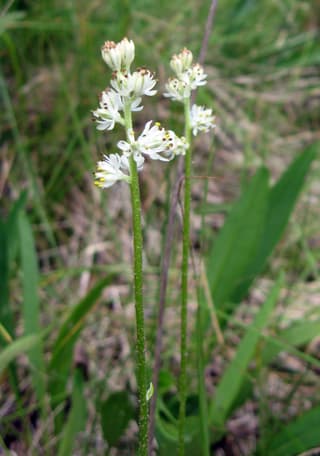
| Sticky false asphodel | Hard | Bright indirect | 1d | ✓ |
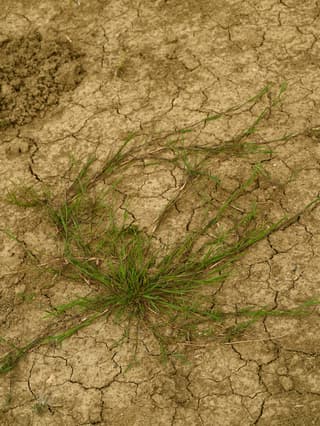
| Creeping bentgrass | Hard | Direct sun | 3d | ✓ |
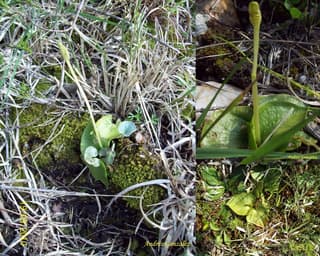
| Bulbous Adder's-tongue | Hard | Partial shade | 4d | ✓ |
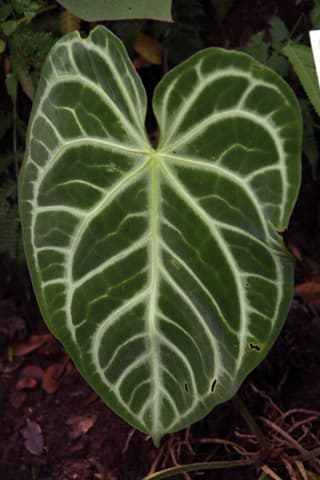
| Crystal Anthurium | Hard | Partial shade | 7d | ⚠️ |