Dioscoreaceae
Bat Flower (Tacca)
Tacca
Tropical understory plants: filtered light, humid air, steady warmth and a rich mix kept lightly moist but never soggy. They dislike cold and dry air.
Every 3 days
Partial shade
15° - 32°C
60% - 90%
Categories
What is Bat Flower?
Bat Flower (Tacca) is a hard-care plant from the Dioscoreaceae family. Tacca is a genus of about 16 species of tropical herbs in the yam family (Dioscoreaceae), native to Southeast Asia, China, India, Africa, Madagascar, northern Australia and the Pacific islands, with one species in South America. They grow from a rhizome or tuber, with large leaves that are entire or...
Bat Flower grows up to 1.5m, watering every 3 days, 15°C – 32°C, 60–90% humidity. It is suitable for indoor environments and safe for pets.
Unlike easy-care plants, Bat Flower demands constant attention to humidity and light. Not recommended for beginners. Unlike many popular species, Bat Flower is safe to keep around pets. Without adequate drainage, root rot can develop within 7 days.
How to Care for Bat Flower?
TLDR: Bat Flower needs Partial shade, watering every 3 days, and temperatures between 15-32°C with 60-90% humidity.
How Often Should You Water Bat Flower?
Keep the mix lightly moist in the growing season, watering when the surface starts to dry. Never leave water in the saucer. In winter, or if the plant dies back, water much less.
How Much Light Does Bat Flower Need?
Part shade or bright indirect light, like a forest floor. Direct sun scorches the leaves; indoors, place near a bright window out of strong sun.
What Is the Best Soil for Bat Flower?
A loose, rich mix of leaf mold or potting soil with bark or coco coir and perlite, slightly acidic and well drained.
What Pot Should You Use for Bat Flower?
A plastic or ceramic pot with good drainage, slightly wider than the rhizome. Too small dries out fast; too large stays soggy.
Care Schedule
Fertilize
Every 30 days
Repot
Every 730 days
What Is Bat Flower and Where Does It Come From?
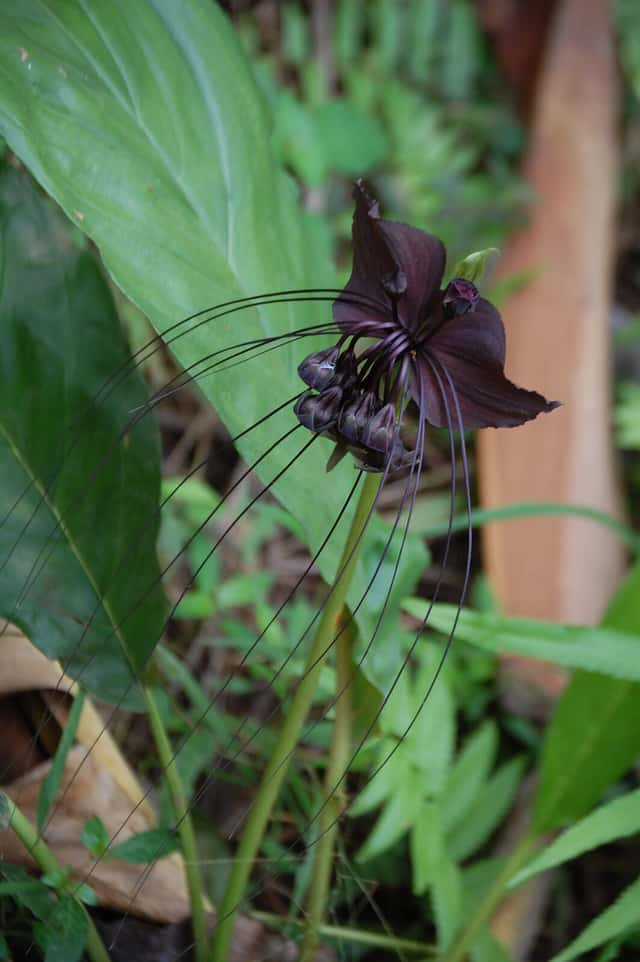
Tacca is a genus of about 16 species of tropical herbs in the yam family (Dioscoreaceae), native to Southeast Asia, China, India, Africa, Madagascar, northern Australia and the Pacific islands, with one species in South America. They grow from a rhizome or tuber, with large leaves that are entire or deeply divided, and send up stalks of dark flowers framed by large bracts and long whisker-like threads, which gives them the name bat flower. The most popular ornamentals are Tacca chantrieri, with nearly black flowers, and Tacca integrifolia, with white and purple bracts. Tacca leontopetaloides, Polynesian arrowroot, was grown for centuries across the Pacific for the starch in its tuber. Some species have their own entries.
How to Propagate Bat Flower?
Rhizome division
Only divide large, well-established plants. Warmth above 20 °C helps divisions take.
- 1 Unpot the plant in early spring
- 2 Cut the rhizome into pieces, each with at least one shoot and some roots
- 3 Plant each piece in rich, moist mix
- 4 Keep warm, humid and in filtered light until new growth appears
Materials needed:
Seed
Germination is slow and uneven. Seedlings take a few years to flower.
- 1 Remove seeds from ripe fruit and wash off the pulp
- 2 Sow on fine, moist mix, barely covered
- 3 Cover the tray to hold humidity
- 4 Keep at 25-30 °C in filtered light
Materials needed:
How Big Does Bat Flower Grow?
TLDR: Bat Flower can reach up to 1.5m tall with Medium growth rate.
Max height
1.5m
Growth rate
Medium
Warning: Toxic Plant
This plant can be toxic if ingested. Keep out of reach of:
Plant Uses
Ornamental
Great for decoration
Edible
Can be consumed
Culinary Uses
- The tuber of Tacca leontopetaloides yields edible starch after grating and repeated washing; raw it is bitter and toxic
Is your plant showing symptoms?
Click on the symptom to discover possible causes:
What Diseases Commonly Affect Bat Flower?
TLDR: Bat Flower is susceptible to 7 known diseases. Monitor regularly for early detection.
Root Rot
Root rot is a serious fungal disease that affects the root system of plants, causing them to decay and die. It is primarily caused by overwatering, poor drainage, or soil-borne fungi such as Pythium, Phytophthora, Rhizoctonia, and Fusarium. The disease thrives in waterlogged conditions where roots are deprived of oxygen, making them susceptible to fungal infection.
Spider Mites
Spider mites are tiny arachnids (less than 1/20 inch long) related to spiders and ticks that feed on plant sap. They thrive in hot, dry conditions and can cause significant damage to ornamental and vegetable plants. During severe infestations, crop losses can reach 14% or higher as these pests disrupt vital plant processes including photosynthesis, carbon dioxide absorption, and transpiration.
Mealybugs
Mealybugs are small, soft-bodied insects covered with a white, waxy, cottony material. They are common pests of houseplants and outdoor plants in mild climates. These sap-sucking insects feed on plant tissue, causing damage, stunted growth, and can lead to plant death if left untreated. They produce sticky honeydew which attracts sooty mold.
Thrips
Thrips are tiny cigar-shaped insects (1/25-inch long) that damage plants by sucking plant juices and scraping at fruits, flowers, and leaves. With over 6,000 species and rapid reproduction (lifecycle as short as 14 days), they can quickly infest plants and transmit viruses like tomato spotted wilt virus.
Fun Facts
The flower "whiskers" can be more than 30 cm long
Austronesian voyagers carried Tacca leontopetaloides across the Pacific thousands of years ago
The Hawaiian pudding haupia was originally made with Tacca starch
Frequently asked questions
Why are my bat flower leaf tips turning brown?
Does the bat flower like sun?
Can it handle cold?
Is the bat flower toxic?
Compare with similar plants
| Attribute | Difficulty | Light | Watering | Pet Safe |
|---|---|---|---|---|
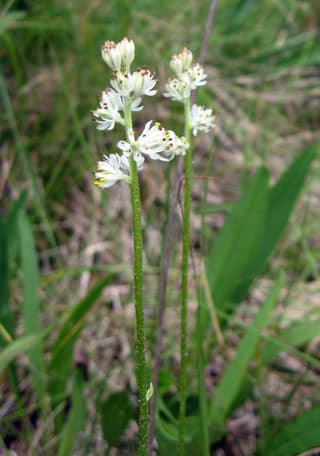
| Sticky false asphodel | Hard | Bright indirect | 1d | ✓ |
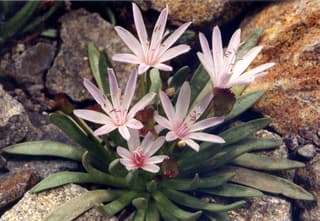
| Truckee lewisia | Hard | Bright indirect | 10d | ✓ |
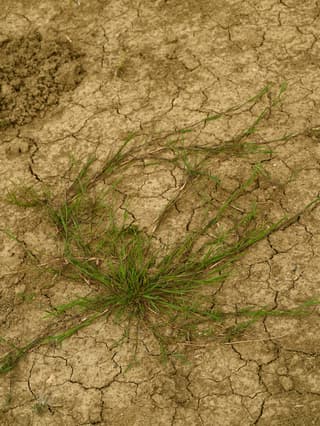
| Creeping bentgrass | Hard | Direct sun | 3d | ✓ |
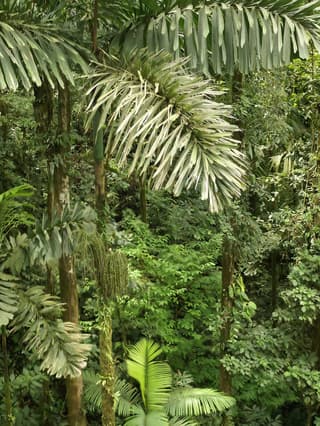
| Walking Palm | Hard | Bright indirect | 3d | ✓ |