Easy-to-Care-for Houseplants: 10 Plants That Forgive Your Plant Care Mistakes
An easy houseplant is not an inherent trait of the plant; it is the match between the species and how you neglect it. Here are 10 easy-to-care-for houseplants organized by mistake (underwatering, overwatering, inconsistent watering), with numbers on what each tolerates and ASPCA toxicity ratings.
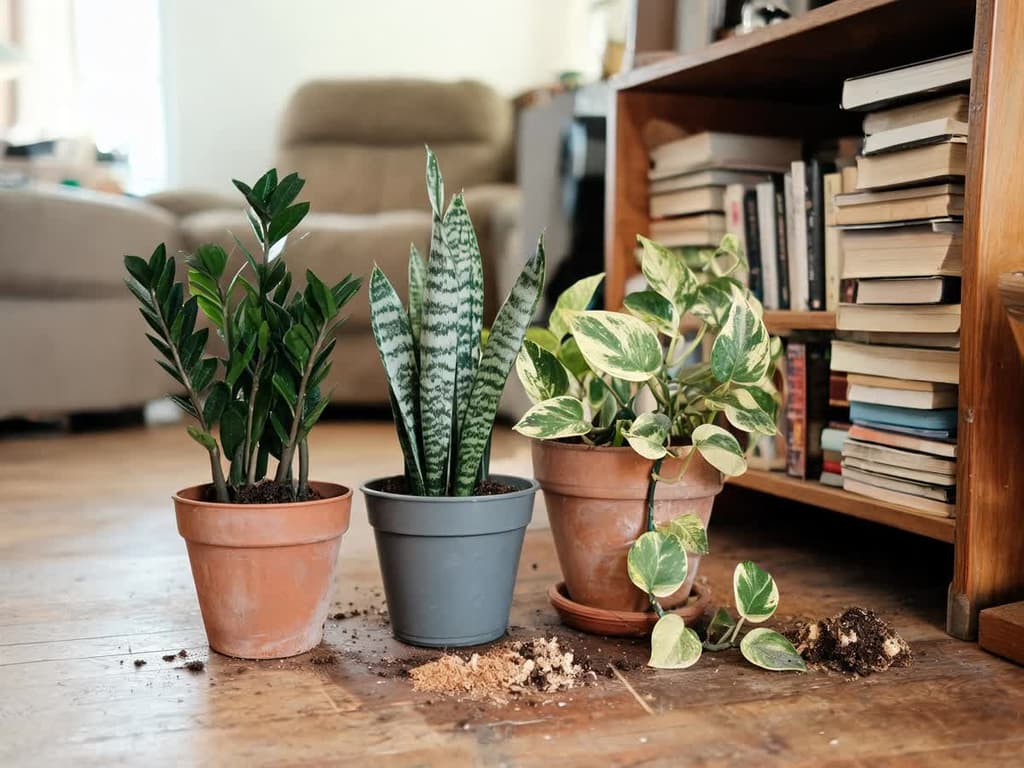
The exact same plant thrives for one person and dies in someone else's home. An underwaterer can kill a fern in two weeks while keeping a ZZ plant alive for years. An overwaterer who waters every single Friday does the reverse: the fern thrives, while the ZZ plant rots from below without warning. That is why this list of easy-to-care-for plants is categorized by care mistake rather than ranked best to worst.
The most common mistake is overwatering, and it is notoriously hard to detect because it triggers the exact same symptoms as underwatering. Before choosing a plant, determine which type of mistake you tend to make. The three diagnostic questions below will help you figure it out.
Why two opposite mistakes show identical symptoms
In Chapter 18 of the NC State Extension Gardener Handbook, fourteen common houseplant issues are listed alongside their possible causes. In six of those issues, overwatering and underwatering appear side by side as potential culprits for the exact same symptom. These shared symptoms include: rapid leaf drop, gradual leaf drop, and entire plant wilting. Foliage color loss, brown leaf tips, and halted growth complete the list.
This means a yellow leaf never tells you which direction you overstepped. A plant wilts in waterlogged soil just as it does in bone-dry soil, because in both situations the root system stops delivering water upward. In saturated potting mix, it stops because water displaces soil air and roots die from lack of oxygen, as Clemson HGIC explains. In dry soil, roots stop because there is simply no moisture left to absorb.
What tells the two apart is the root system, not the foliage. The same NC State chapter outlines the diagnostic check: unpot the plant and inspect its roots. White, firm roots in dry soil indicate underwatering; the plant will bounce back if you thoroughly soak the root ball and repot. Brown, mushy roots, sometimes with a foul odor, indicate root rot; you must trim away the decayed tissue and downsize to a smaller container.
Identify your care mistake before buying a plant
Answer three questions before buying any new houseplant.
How many days pass between your waterings? If you cannot give an answer in days, you tend to underwater. If your answer is a set day of the week, you tend to overwater. Houseplants do not follow a calendar; a pot dries out at entirely different rates in summer compared to winter.
Does water sit in the saucer or cachepot after you water? If it does, the roots spend hours submerged every week. The University of Maryland Extension is clear on this: never allow a pot to sit in drainage water.
Does the pot feel significantly heavier right after watering? Lift the pot before and after watering, and note the weight difference. This difference measures moisture throughout the entire root ball. It is the only reliable check for succulents, where poking the soil is misleading: the top layer dries out quickly while the base remains saturated.
Inserting your finger 2 inches into the soil remains the simplest test for most species. If the soil feels dry at that depth, water. If it feels moist, wait.
What you observe | Likely overwatering | Likely underwatering |
|---|---|---|
Yellow leaves | Starts at the bottom leaves, soil is moist to the touch | Leaves are dry and crispy, soil pulls away from pot walls |
Wilting plant | Stem is mushy, base is darkened | Stem remains firm, leaves are thin and limp |
Leaf drop | Foliage drops while still green | Foliage drops dry and brown |
Root system | Brown or black, soft and mushy | White and firm, soil is dry and loose |
Potting mix | Sour odor, white surface mold | Water runs down the sides without penetrating the center |
If you forget to water: 4 plants that store water
These four houseplants store water within their own tissues and withstand weeks of neglect. However, all of them will die if you try to make up for missed waterings by flooding them frequently.
1. ZZ plant (Zamioculcas zamiifolia)
The ZZ plant stores water and alters its own metabolism when left dry. According to the research that uncovered this mechanism, it is the only member of the Araceae family, which includes pothos and heartleaf philodendron, documented to perform Crassulacean Acid Metabolism (CAM). This is the exact metabolic pathway cacti use to reduce moisture loss. The study by Holtum et al. was published in the American Journal of Botany in 2007. In their trials, well-watered plants fixed less than 1% of their daily carbon at night. After ten days without water, daytime carbon fixation dropped by 94%, while nighttime fixation surged 7.5-fold, accounting for 19% of the total.
In simple terms: it seals its leaf pores during dry daytime hours and breathes at night. This is why it loses so little moisture. Its subterranean potato-like rhizomes store the rest.
In practice, allow the potting mix to dry out completely before watering again. Iowa State University Extension recommends deep watering every 7 to 14 days during the active growing season. University of Illinois Extension advises cutting back to once a month through fall and winter. Clemson HGIC rates the ZZ plant as unsafe for pets.
2. Snake plant (Dracaena trifasciata)
The snake plant features the longest watering interval documented by any university extension on this list. Penn State Extension states it plainly: you can kill it with overwatering, but you can leave it without water for a month or more without harming it.
Its thick leaves serve as water reservoirs. When foliage begins to soften and wrinkle near the base, its reserves are depleted. Conversely, if leaves soften while remaining dark green and the soil is wet, the problem stems from root rot.
It tolerates dark corners, where its growth slows down. Keep it out of direct sunlight, which scorches the leaves. Seasonal watering guidelines are detailed in quanta água a espada-de-são-jorge aguenta. The ASPCA classifies the species as toxic to dogs and cats due to saponins, compounds that irritate an animal's mouth and stomach.
3. Ponytail palm (Beaucarnea recurvata)
The ponytail palm stores water in its swollen trunk base, the caudex that gives it its profile. Wisconsin Horticulture describes this caudex as a reserve that lets the plant withstand extended droughts. The same guide notes the flip side: overwatering is the primary cause of death for this species.
It grows slowly and can stay in the same container for many years without repotting. Water thoroughly, letting the potting mix dry out completely between sessions, and reduce watering further in winter when active growth halts.
The ASPCA does not list the ponytail palm as toxic to dogs, cats, or horses. Among the water-storing species on this page, it is the only pet-safe option. The ASPCA flags snake plant and yucca as toxic, and Clemson HGIC classifies the ZZ plant as unsafe for pets.
In return, it demands ample light. Wisconsin Horticulture describes it as a desert-adapted plant requiring bright light, recommending the sunniest window in the home. Crispy brown leaf tips are an ambiguous signal: the same source attributes this to both excess water and severe drought. If you need a specimen floor plant, it appears in our guide to plantas grandes para dentro de casa.
4. Spineless yucca (Yucca gigantea)
Yucca is a corporate office staple, and it will not die from forgotten waterings. UF/IFAS describes the species as adaptable to a wide range of soils, provided they never become waterlogged. Root rot caused by overly saturated soil is the primary disease highlighted in their documentation.
Water only when the top 2 inches of soil have dried out, and allow all excess moisture to drain freely. In winter, double the time between waterings.
Where it fails is the same as the ponytail palm. It wants a bright spot, preferably with direct sun for part of the day. Look for a window where the sun comes in at some point during the day; in Brazil, that is usually north- or west-facing. Away from the window it stretches out and the leaves become limp. The ASPCA lists the genus Yucca as toxic to dogs, cats, and horses, also due to saponins.
If you overwater: switch the pot before switching the plant
Few houseplants thrive in permanently wet soil. Nearly every species marketed as beginner-friendly originated in climates where the ground dries out between rainfalls. Their roots cannot survive long-term submersion.
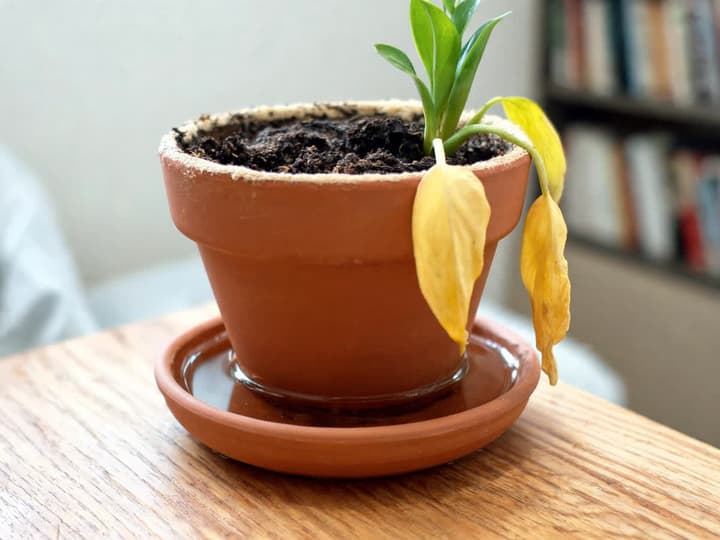
Fixing chronic overwatering does not mean throwing out your plant. It means switching your container. The NC State Extension Gardener Handbook advises this exact strategy. Habitual overwaterers should use porous, unglazed terracotta pots: moisture evaporates through the clay walls, drying the root ball faster. Habitual underwaterers should stick to non-porous containers that lock in moisture.
Three adjustments resolve most moisture problems: swap plastic containers for terracotta; make drainage holes mandatory, never substituting gravel layers at the bottom for an open hole; and empty the drainage saucer a few minutes after every watering.
Once those steps are taken, two species can handle the consistently moist soil you will likely provide.
5. Peace lily (Spathiphyllum)
The peace lily communicates clearly. When the root ball dries out too much, the entire plant wilts dramatically within hours, perking back up shortly after a thorough watering. Clemson HGIC recommends keeping the soil evenly moist but never soggy, allowing it to dry only slightly between waterings. It demands far more regular moisture than most other houseplants featured here.
Its wilting signal has a catch. A peace lily droops from severe underwatering, but it also collapses from overwatering, in which case adding water worsens the rot. Before watering a drooping peace lily, feel the soil: if it feels damp, root rot is the cause.
It blooms reliably under low light levels, a rarity among indoor foliage plants. The ASPCA lists the genus as toxic to dogs and cats due to insoluble calcium oxalate crystals, which cause oral pain. A full care overview is available in como cuidar do lírio-da-paz.
6. Boston fern (Nephrolepis exaltata)
The Boston fern is the second moisture-tolerant option. Wisconsin Horticulture recommends keeping its potting soil uniformly moist, never allowing it to dry out entirely. The same source notes it is the most drought-tolerant fern in cultivation, though that speaks more to the fragility of other ferns than to this one.
It prefers medium, filtered light behind a sheer curtain, along with high ambient humidity. The same guide warns against misting fronds directly, as wet foliage invites fungal leaf spots. Instead, it suggests double-potting with damp sphagnum moss nestled between the two containers. A daily hot shower provides this humidity naturally, which earns the fern a spot in our roundup of plantas para banheiro.
For chronic overwaterers, this fern is exceptionally forgiving. But if you leave on vacation, it is the first plant to collapse.
If you water on a whim: 4 plants that handle irregular care
This group is for homes with no watering routine at all. You water whenever you walk past and happen to notice the plant, meaning the gap between waterings might swing from three days to three weeks. These four handle such erratic care because they show visible warnings before taking permanent damage, or because they hold reserves to bridge the dry spells.
7. Golden pothos (Epipremnum aureum)
Golden pothos provides clear, readable distress signals. Wisconsin Horticulture sums up the species in a single practical takeaway: it tolerates underwatering far better than saturated soil. Dry soil causes the leaves to droop temporarily. This limp foliage serves as your warning, and the stems bounce back within hours of watering.
Wait until the surface soil dries before reaching for the watering can. It thrives in bright, indirect light and tolerates low-light rooms, though its yellow variegation reverts to solid green in dim shade.
The ASPCA rates golden pothos as toxic to dogs and cats, also due to insoluble calcium oxalates. Grown in a hanging planter or set on a high shelf, it is among the most versatile plantas pendentes.
8. Spider plant (Chlorophytum comosum)
The spider plant produces thick, fleshy tuberous roots that store water. Wisconsin Horticulture credits these storage roots for the plant's ability to survive inconsistent watering schedules. It easily handles minor underwatering and overwatering, as long as neither becomes permanent.
The ASPCA does not list the spider plant as toxic to dogs or cats. It is one of four pet-safe plants on this list, alongside ponytail palm, Boston fern, and cast-iron plant.
Its main issue is brown leaf tips, which are rarely caused by dry soil alone. Wisconsin Horticulture highlights three distinct culprits: fluoride and chlorine in tap water, fertilizer salt accumulation, and dry indoor air. The publication suggests flushing with rainwater or distilled water. Reducing fertilizer applications generally fixes brown tips faster than increasing water.
9. Heartleaf philodendron (Philodendron hederaceum)
Heartleaf philodendron tolerates low light and irregular watering simultaneously, a rare combination for broadleaf vining plants. Clemson HGIC advises watering frequently enough to keep the potting mix evenly moist, yet never saturated. The same extension gives the plant a very high tolerance rating for dim environments.
It develops long trailing vines and tolerates pruning at any time of year. Trimming just above a leaf node promotes branching closer to the pot, correcting leggy growth caused by low light.
The ASPCA lists the genus Philodendron as toxic to dogs and cats.
10. Cast-iron plant (Aspidistra elatior)
Its common name reflects its durability. Clemson HGIC states that it withstands neglect and deep shade with only occasional watering, enduring low light, drought, and nutrient-poor soils. The same guide notes its limit: drought tolerance does not mean it can live without water indefinitely, and it still requires watering during prolonged dry stretches.
It grows remarkably slowly. Producing a single new leaf per season is normal, which can frustrate owners looking for rapid growth. In exchange, it almost never demands repotting, frequent fertilizing, or daily care.
The ASPCA does not list the cast-iron plant as toxic to dogs, cats, or horses.
Traveling: how to keep plants alive for three weeks
Vacationing is not the same as forgetting to water. Neglect is sporadic and short-lived. A trip is an extended absence with a known date, allowing you to prepare the containers beforehand.
Water thoroughly on departure day until liquid drains out the bottom holes, then empty the saucers. Move your plants away from sunny windows into a bright spot without direct sun. Further from the glass, transpiration drops and the soil holds moisture much longer. Grouping plants together also creates a humid microclimate.
For absences exceeding three weeks, pots require a passive water reservoir. An unglazed clay watering stake or buried porous container filled with water releases moisture slowly as the surrounding soil dries out. An inverted water bottle with its neck pushed into the soil provides a simpler version.
ZZ plants, snake plants, and ponytail palms do not need any of these watering hacks for a three-week trip. A Boston fern, however, will not survive three weeks with any of them.
The easy plant that dies the most in Brazil is the succulent.
Succulents are the starter plant for almost every beginner, and they are returned or replaced more than any other. The underlying problem comes down to two factors, neither of which is a lack of attention.
The first is lighting. Iowa State University Extension provides explicit guidance: indoor succulents require ten or more hours of bright, indirect light daily. The same source establishes an absolute minimum threshold of six to eight hours for most species to survive indoors.
In this context, bright light means light strong enough to cast a sharp shadow. A shelf in the center of a living room falls far short of this mark. In dim rooms, succulents stretch, fade in color, and lose their compact form.
Jade plant (Crassula ovata) is the extreme case. Wisconsin Horticulture writes that it does best with four or more hours of direct sun. In practice, that means a windowsill where the sun shines for part of the day; in Brazil, that is usually one facing north or west. Without this, it turns dark green and its branches droop. Wisconsin explains that there is no disease involved in this situation: it is just a lack of light.
The second factor is watering. Iowa State Extension separates both watering errors by examining the lowest leaves. Wrinkling or shriveling lower foliage points to underwatering. Yellowing lower leaves accompanied by a soft, weakened stem signal overwatering.
In a small pot with fast-draining soil and watered every two to three weeks, a succulent thrives. In a large pot with standard potting soil and weekly watering, it rots from the base within two months. Species-specific schedules are covered in the succulent care guide. Aloe vera requires more sun than the average succulent and has its own page: see how to care for aloe vera.
For these exact reasons, calathea, indoor orchids, and fiddle-leaf fig were excluded from this list. A calathea demands high humidity and chlorine-free water. Orchids follow specialized wet-dry bark cycles. A fiddle-leaf fig requires weekly fertilizing throughout the entire growing season. None of them forgive basic mistakes, which is the foundational standard for this guide.
In a dark corner, the issue is lighting, not watering
Low light is not a temporary care mistake; it is a fixed architectural condition that alters the entire care formula. In deep shade, potting soil takes far longer to dry, meaning a watering routine that works on a bright windowsill will drown the exact same plant in a corner.
Hallways, windowless bathrooms, and spaces set more than eight feet back from the nearest window create a different challenge. Selecting plants for these spots depends on measured foot-candles, the light intensity unit used by American agricultural extensions. Species that endure these lighting thresholds and their expected longevity are detailed in plantas para pouca luz.
Why new plants shed all their leaves in two weeks
Sudden leaf loss after bringing a plant home is not your fault, and it rarely warrants tossing it in the trash. It is almost always an abrupt reaction to lower light levels.
UF/IFAS documents this transition in weeping figs, the species where leaf drop is most pronounced. In production nurseries, figs are grown under 50% shade cloth, receiving roughly 6,250 foot-candles. Before shipping them to indoor spaces, growers acclimatize them for at least two months. During acclimatization, shading increases to 80% to 90%, reducing light levels to between 1,250 and 2,500 foot-candles. Yet typical indoor rooms provide only 100 to 200 foot-candles.
If a retailer skips this commercial acclimatization process, the plant must adjust inside your home. It adapts by dropping leaves it can no longer photosynthetically support. University of Illinois Extension observes that Ficus benjamina sheds leaves in response to nearly any cultural stress, including overwatering, underwatering, drafts, nitrogen deficiency, and low light.
The same UF/IFAS publication outlines the proper response, which contradicts common impulses. Once a new plant arrives, do not relocate it, prune it, repot it, or fertilize it for at least four weeks. Each of these actions introduces another stressor to an already shocked plant. Place it in bright, indirect light, water only when the soil dries, and wait: all newly emerging leaves will develop pre-adapted to your home's ambient light.
If you received an unlabeled plant, our guide o que minha planta tem helps identify the species before you take action. Bloom identifies plants from a single photo and provides tailored care schedules, making it the best starting point for unlabelled plants. A watering reminder on your phone also prevents underwatering mistakes; see our comparative review in melhores apps para quem mata as plantas.
Sticky stem droplets: test the texture
Touch the droplet with your finger. If it feels sticky, you have an insect infestation, not a watering issue.
This sticky residue is honeydew, a sugary fluid excreted by scale, aphids, and whiteflies as they suck plant sap. Iowa State University Extension describes the progression: lower foliage, tabletops, and floors become tacky, and over time the residue turns black. That black coating is sooty mold, a fungus that feeds on the excreted sugars. The NC State Extension Gardener Handbook notes that sooty mold does not infect plant tissue directly, but serves as a clear indicator of sap-feeding pests.
Recognizing the pest's physical form helps you spot it on the plant. Armored or soft scale appears as small, brown, raised bumps clustered along stems and leaf veins, primarily on leaf undersides. Mealybugs resemble tiny, white cottony masses tucked into leaf axils, measuring 1/8 to 1/4 inch long. Aphids are small, pear-shaped green or black insects that congregate on tender new growth.
Do not repot your plant to solve an active pest issue. Changing the soil does nothing to eliminate pests feeding on the foliage. Isolate the affected plant from your collection and dab visible pests with a cotton swab dipped in rubbing alcohol. Repeat this spot treatment every few days until new insects stop appearing. Detailed treatment steps are explained in our guides to cochonilha and pulgão em plantas.
If the droplet is not sticky, your plant is pest-free. The fluid is pure water from guttation, meaning you should check the moisture level of your soil.
Which of these 10 plants the ASPCA lists as toxic
The ASPCA maintains the most widely referenced animal poison control database for dogs and cats. The table below lists their toxicity data by species without interpretation.
Plant | ASPCA Listing | Toxic Principle |
|---|---|---|
ZZ plant | Not listed in ASPCA database; Clemson HGIC rates as unsafe for pets | Not specified |
Snake plant | Toxic to dogs and cats | Saponins |
Ponytail palm | Non-toxic to dogs, cats, and horses | Not applicable |
Yucca | Toxic to dogs, cats, and horses | Saponins |
Peace lily | Toxic to dogs and cats | Insoluble calcium oxalates |
Boston fern | Non-toxic to dogs and cats | Not applicable |
Golden pothos | Toxic to dogs and cats | Insoluble calcium oxalates |
Spider plant | Non-toxic to dogs and cats | Not applicable |
Heartleaf philodendron | Toxic to dogs and cats | Insoluble calcium oxalates |
Cast-iron plant | Non-toxic to dogs, cats, and horses | Not applicable |
The ASPCA includes two important caveats regarding their data. The directory is not exhaustive: the absence of a species does not guarantee it is harmless. Furthermore, ingesting any plant material can induce vomiting and gastrointestinal upset in dogs and cats, even when eating species confirmed to be non-toxic.
If your cat chews on foliage, choosing a non-toxic species matters far more than putting plants on high shelves. Cats can climb anywhere.
Frequently asked questions
What is the easiest houseplant to keep alive?
That depends on your natural tendency. For chronic underwaterers, the snake plant tolerates the longest drought intervals verified by university research; Penn State Extension notes it can go a month or more without water. For chronic overwaterers, the peace lily tolerates constantly moist soil and signals its thirst clearly by drooping.
Which houseplant is virtually indestructible?
The cast-iron plant (Aspidistra elatior) comes closest to indestructible. Clemson HGIC reports that it handles dense shade, drought, and poor potting soils with minimal watering. It grows very slowly, which is the tradeoff for its toughness, and the ASPCA confirms it is non-toxic to pets.
Which indoor plants require the least maintenance?
ZZ plants, snake plants, and cast-iron plants can go weeks without water and thrive in low indirect light. Ponytail palms and yuccas also tolerate weeks of drought, but demand bright light with some direct sun. All of them grow slowly, rarely need repotting, and will not survive in continuously waterlogged soil.
How often should you water an easy-care houseplant?
Never water according to a calendar schedule. Insert your finger 2 inches into the soil and water only when it feels dry at that depth. For most plants on this list, this translates to watering every 7 to 14 days, including ZZ plants in warm months. Snake plants and ponytail palms, which hold larger water reserves, need water only every 2 to 4 weeks.
Do all easy houseplants tolerate low light?
No. Light and watering needs are separate factors, and confusing them causes common houseplant deaths. Succulents and jade plants need minimal watering but demand intense sunlight. Iowa State Extension specifies ten or more hours of bright light daily for indoor succulents.
How this list was compiled
Selection was based on a single rule: the plant must forgive a specific care mistake, verified by measurable data from a cited agricultural institution. Species that are easy only under narrow, rigid conditions were excluded, even if commonly recommended to beginners.
Snake plant, golden pothos, and spider plant are also among the twelve species in NASA's 1989 study on indoor air pollutant removal, and the criteria there are different: air-purifying plants compares the numbers from that test, not neglect tolerance.
The data points cited throughout this article are sourced from: NC State Extension Gardener Handbook (Chapter 18), UF/IFAS EDIS (EP136, EP480, and ST675), Penn State Extension, Wisconsin Horticulture, Iowa State University Extension, and University of Maryland Extension. Additional data comes from Clemson HGIC and the ASPCA Animal Poison Control database. ZZ plant CAM metabolic data is taken from Holtum, Winter, Weeks, and Sexton, American Journal of Botany 94(10), 2007.
Related articles
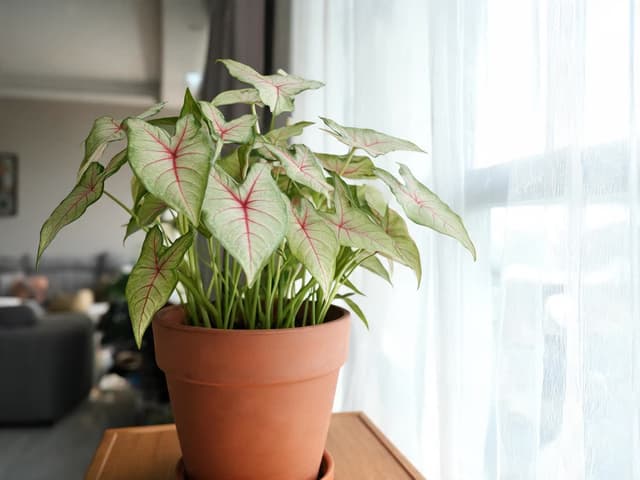
How to Care for Syngonium: Light, Watering, Cuttings, and Pests
How to care for syngonium indoors: bright indirect light, watering when the soil surface dries, 64 to 81°F (18 to 27°C), and 40 to 60% humidity. Also cover water cuttings, thrips, yellow leaves, and pet toxicity.
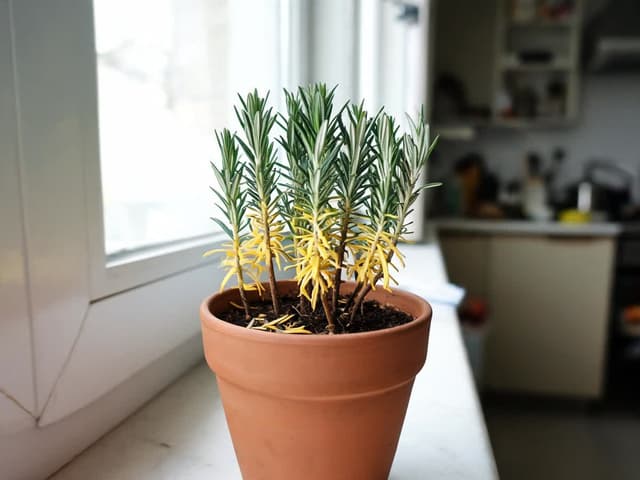
Rosemary Leaves Turning Yellow: Causes and Solutions
Rosemary with yellow leaves usually has overly wet roots. Check where the yellowing appears to see if it stems from wet roots, low light, spider mites, powdery mildew, or normal leaf shed, and learn how to save the plant.
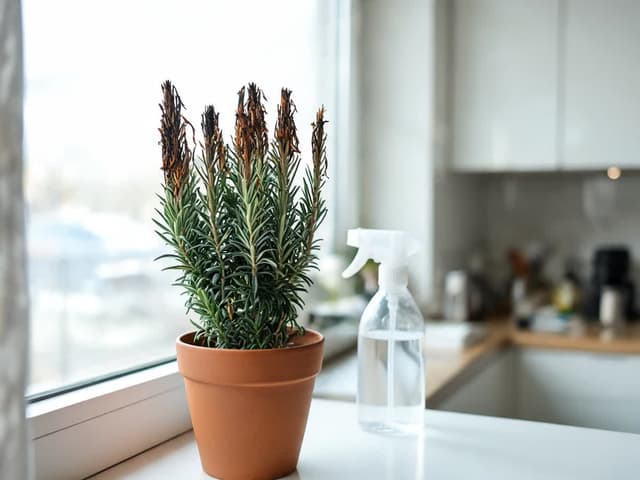
Is Your Rosemary Dying? How to Save Soap-Burned Rosemary
Rosemary with soap-burned leaves can usually be saved: the damage stays on the affected needles. Rinse the leaves, wait a week, scrape the stems, and prune only what is brown inside.