Tree Philodendron with Potassium Deficiency? Rare but Treatable
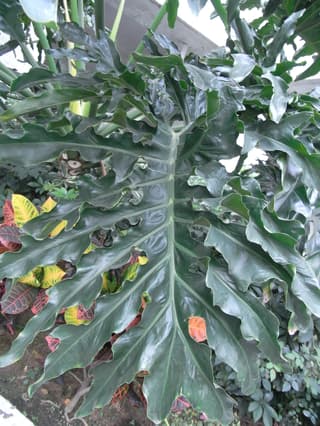
Philodendron bipinnatifidum
Potassium Deficiency on Tree Philodendron: What to Know?
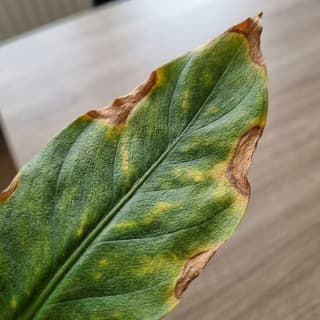
Potassium Deficiency on Tree Philodendron (Philodendron bipinnatifidum) is a nutrient_deficiency condition with moderate severity. Tree Philodendron has low susceptibility to this disease. Potassium deficiency is a nutritional disorder that affects a plant's ability to regulate stomatal opening and closing, resulting in characteristic leaf edge burn. Potassium is a mobile nutrient, so s...
Tree Philodendron is a easy-care plant. Recovery from Potassium Deficiency takes approximately 21 days with proper treatment. As an indoor plant, ensure good ventilation to aid recovery.
Unlike most plants, Tree Philodendron has natural resistance to Potassium Deficiency. Best treated with preventive measures rather than reactive treatment.
🔍 What Does Potassium Deficiency Look Like on Tree Philodendron?
- • Yellow or brown scorching along leaf margins
- • Burnt and curled leaf tips
- • Chlorosis (yellowing) between leaf veins
- • Purple spots on leaf undersides
- • Symptoms start on older, lower leaves
- • Leaves may look like "nutrient burn"
❓ What Causes Potassium Deficiency on Tree Philodendron?
- → Low potassium levels in soil
- → Improper soil pH (outside 6.0-7.0 range)
- → Erratic or excessive watering
- → Soil compaction preventing uptake
- → Excess calcium or magnesium competing for absorption
- → Excessive leaching in sandy soils
💊 How to Treat Potassium Deficiency on Tree Philodendron?
TLDR: Treat Potassium Deficiency on Tree Philodendron with quick treatment (~11 days) or organic (~21 days). Tree Philodendron has low susceptibility to this disease.
Quick Fixes
Step 1
Apply foliar spray of potassium sulfate or potassium nitrate solution (follow product dilution rates) directly to leaves for fastest absorption
Step 2
Water soil thoroughly before applying soil drench to avoid root burn
Step 3
Apply highly soluble potassium fertilizer (0-0-50 or similar high-K formula) as soil drench around root zone
Step 4
Reapply foliar spray every 7-10 days until symptoms diminish
Step 5
Monitor new growth for signs of recovery within 1-2 weeks
Organic Treatment
Step 1
Apply 2-3 inches of homemade compost enriched with banana peels around the base of plants
Step 2
Work wood ash sparingly into topsoil (approximately 1 cup per 10 square feet, avoid if soil pH is already high)
Step 3
Apply seaweed extract or kelp meal according to package directions for immediate nutrient boost
Step 4
Spread granite dust or rock phosphate for long-term slow-release potassium
Step 5
Maintain 2-3 inch mulch layer to prevent nutrient leaching
🛡️ How to Prevent Potassium Deficiency on Tree Philodendron?
TLDR: Prevent Potassium Deficiency on Tree Philodendron with 6 essential preventive care practices.
- ✓ Maintain soil pH between 6.0 and 7.0 for maximum potassium availability
- ✓ Water deeply and regularly, avoiding fluctuations
- ✓ Test soil regularly to monitor nutrient levels
- ✓ Add organic matter to soil to improve retention
- ✓ Avoid excess calcium or magnesium fertilizers
- ✓ Use mulch to reduce leaching
🌱 How to Care for Tree Philodendron to Prevent Potassium Deficiency?
💧 How to Water
Water when the top layer of soil is dry, about 1-2 times per week in summer and 2-3 times in winter. Never let water accumulate in the saucer to prevent root rot.
☀️ Lighting
Prefers bright indirect light or partial shade. Avoid prolonged direct sunlight which can yellow the leaves. In very cold and cloudy locations, it can tolerate full sun.
🪴 Ideal Soil
Use organic-rich, light, and well-draining substrate. Mix garden soil, earthworm humus, and coarse sand. Ideal pH between 5.5 and 6.5.
Frequently asked questions
Can Potassium Deficiency kill my Tree Philodendron?
How long does Tree Philodendron take to recover from Potassium Deficiency?
Is Potassium Deficiency contagious to other plants near Tree Philodendron?
Sources & References
- How to fix Cannabis Potassium Deficiency (K) Pics & Symptoms
- How to Fix Leaf Curl and Tip Burn Caused by Potassium Deficiency | She Grows Veg
- Potassium Deficiency in Plants | Trifecta Natural
- Potassium deficiency (plants) - Wikipedia
- Potassium deficiency guide | CANNA Gardening USA
- How to recognise potassium nutrient deficiency in plants
- Managing Pests in Gardens: Trees and Shrubs: Disorders: Potassium deficiency—UC IPM
- Philodendron bipinnatifidum: saiba os cuidados, toxicidade e mais!
- Guaimbê - Philodendron bipinnatifidum - Jardineiro.net
- GUAIMBÉ (Philodendron bipinnatifidum)
- Guaimbê - Philodendron bipinnatifidum - Flores e Folhagens