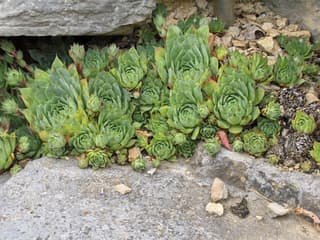
Common Houseleek with Mealybugs: Prevention & Cure
Sempervivum tectorum
Mealybugs on Common Houseleek: What to Know?
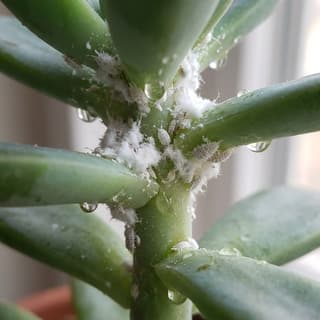
Mealybugs on Common Houseleek (Sempervivum tectorum) is a pest condition with high severity. Common Houseleek has moderate susceptibility to this disease. Mealybugs are small, soft-bodied insects covered with a white, waxy, cottony material. They are common pests of houseplants and outdoor plants in mild climates. These sap-sucking insects feed on plant...
Common Houseleek is a easy-care plant. Recovery from Mealybugs takes approximately 21 days with proper treatment. As an indoor plant, ensure good ventilation to aid recovery.
Unlike fungal diseases, Mealybugs on Common Houseleek responds quickly to integrated pest management.
🔍 What Does Mealybugs Look Like on Common Houseleek?
- • White cottony masses on leaves, stems, or fruit
- • Small pink or white soft-bodied insects (1/20 to 1/5 inch)
- • Sticky honeydew secretions on plant surfaces
- • Black sooty mold growing on honeydew
- • Yellowing or wilting leaves
- • Stunted or deformed growth
- • Loss of flower buds
- • Leaf drop and defoliation
- • Weakened plant vigor
❓ What Causes Mealybugs on Common Houseleek?
- → Introduction of infested plants from nurseries
- → Spread from nearby infested plants
- → Poor plant health and stress
- → Warm, humid conditions favor reproduction
- → Lack of natural predators indoors
- → Contaminated gardening tools or soil
💊 How to Treat Mealybugs on Common Houseleek?
TLDR: Treat Mealybugs on Common Houseleek with quick treatment (~11 days) or organic (~21 days). Common Houseleek has moderate susceptibility to this disease.
Quick Fixes
Step 1
Immediately spray visible mealybugs with 70% isopropyl alcohol for instant kill on contact
Step 2
Use strong water spray to dislodge mealybugs from plant surfaces
Step 3
Prune and dispose of heavily infested plant parts in sealed bags
Step 4
Apply ready-to-use insecticidal soap spray to all affected areas
Step 5
Repeat alcohol treatment every 2-3 days for one week
Step 6
Inspect daily and remove new mealybugs manually
Organic Treatment
Step 1
Isolate affected plants to prevent spread to healthy plants
Step 2
Remove visible mealybugs using cotton swabs dipped in 70% isopropyl alcohol
Step 3
Spray affected areas with neem oil solution (2% concentration) covering all plant surfaces
Step 4
Apply insecticidal soap solution weekly for 3-4 weeks
Step 5
Introduce beneficial insects like ladybugs or lacewings for biological control
Step 6
Monitor plants weekly and repeat treatment as needed
🛡️ How to Prevent Mealybugs on Common Houseleek?
TLDR: Prevent Mealybugs on Common Houseleek with 8 essential preventive care practices.
- ✓ Quarantine new plants for 2-3 weeks before introducing to other plants
- ✓ Inspect plants regularly, especially leaf undersides and stems
- ✓ Maintain healthy plants through proper watering and nutrition
- ✓ Keep plants physically distant from infested ones
- ✓ Clean gardening tools between uses
- ✓ Avoid overwatering and over-fertilizing
- ✓ Ensure good air circulation around plants
- ✓ Remove dead or dying plant material promptly
🌱 How to Care for Common Houseleek to Prevent Mealybugs?
💧 How to Water
Water sparingly, allowing soil to dry completely between waterings. In summer, water once every 2-3 weeks. Reduce to monthly or less in winter. Overwatering is the main killer - when in doubt, do not water.
☀️ Lighting
Requires full sun for best coloration and compact growth. At least 6 hours of direct sunlight daily. Can tolerate partial shade but may become leggy and lose vibrant colors. Provide afternoon shade in extremely hot climates.
🪴 Ideal Soil
Requires excellent drainage - use sandy, gravelly, or gritty soil. A cactus/succulent mix works well. Tolerates poor, rocky soils. Never use moisture-retentive potting mixes.