Parlor Palm with Fusarium Wilt: Prevention & Cure
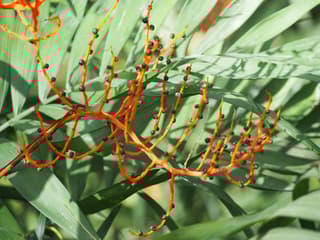
Chamaedorea elegans
Fusarium Wilt on Parlor Palm: What to Know?
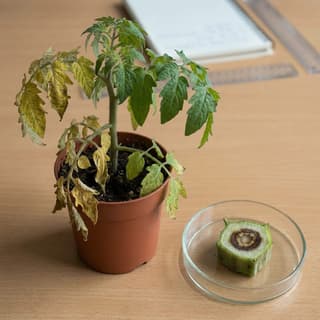
Fusarium Wilt on Parlor Palm (Chamaedorea elegans) is a fungal condition with high severity. Parlor Palm has moderate susceptibility to this disease. Fusarium wilt is a serious fungal disease caused by the soil-borne fungus Fusarium oxysporum. The fungus invades roots and blocks the water-conducting vessels (xylem) of the plant, causing progressive...
Parlor Palm is a easy-care plant. Recovery from Fusarium Wilt takes approximately 30 days with proper treatment. As an indoor plant, ensure good ventilation to aid recovery.
Unlike bacterial infections, Fusarium Wilt on Parlor Palm can be managed with organic fungicides.
🔍 What Does Fusarium Wilt Look Like on Parlor Palm?
- • Wilting during the hottest part of the day with recovery at night (early stage)
- • Asymmetrical yellowing of leaves (one side of plant or leaflets)
- • Progressive upward wilting from the stem base
- • Dark red to brown discoloration of vascular tissues
- • Stunted growth and dwarfism
- • Pale green to golden yellow foliage
- • Progressive death of leaves from bottom to top
❓ What Causes Fusarium Wilt on Parlor Palm?
- → Infection by soil-borne fungus Fusarium oxysporum
- → Entry through roots, especially wounds
- → Soil temperature above 75°F (24°C) favors development
- → Acidic soil and excess nitrogen increase susceptibility
- → Contaminated tools and infected soil
- → Contaminated transplants and seeds
💊 How to Treat Fusarium Wilt on Parlor Palm?
TLDR: Treat Fusarium Wilt on Parlor Palm with quick treatment (~15 days) or organic (~30 days). Parlor Palm has moderate susceptibility to this disease.
Quick Fixes
Remove Plant
Immediately remove entire infected plant with roots. Dispose in sealed trash (DO NOT compost).
Disinfect Area
Spray area with diluted bleach solution (1:10). Allow to dry.
Apply Biofungicide
If available, immediately apply Mycostop or Trichoderma to affected soil.
Isolate Area
DO NOT plant anything in same area for at least 6 months. Fusarium remains in soil.
Organic Treatment
Immediate Removal
Completely remove infected plant including all roots. Do not compost - burn or dispose in sealed trash.
Tool Disinfection
Clean all tools with 10% bleach solution for 5 minutes. Allow to dry completely in sun.
Soil Solarization
Cover affected area with clear plastic for 4-6 weeks in summer. Heat eliminates pathogens.
pH Correction
Test soil pH. If acidic, add lime to raise pH to 7.0-7.2. Fusarium prefers acidic soils.
Biological Inoculation
Add well-cured compost rich in Trichoderma or apply biological product (Mycostop). Wait 2 weeks before replanting.
Replant with Resistant Varieties
Use ONLY Fusarium-resistant varieties. Check certification. Maintain good drainage.
🛡️ How to Prevent Fusarium Wilt on Parlor Palm?
TLDR: Prevent Fusarium Wilt on Parlor Palm with 9 essential preventive care practices.
- ✓ Use Fusarium-resistant varieties (most effective method)
- ✓ Crop rotation for 3-5 years away from susceptible plants
- ✓ Raise soil pH to 7 in acidic soils
- ✓ Avoid excessive nitrogen in fertilization
- ✓ Use certified disease-free seeds and transplants
- ✓ Clean soil and debris from all tools
- ✓ Improve soil drainage
- ✓ Avoid root injuries during transplanting
- ✓ Soil solarization in infected areas
🌱 How to Care for Parlor Palm to Prevent Fusarium Wilt?
💧 How to Water
Water when the top layer of soil is dry. Every 5-7 days in summer, every 10-15 days in winter. Avoid waterlogging as it can cause root rot.
☀️ Lighting
Prefers bright indirect light but tolerates partial shade. Avoid direct sunlight which can burn its leaves. Ideal near windows with sheer curtains.
🪴 Ideal Soil
Use well-draining potting mix: peat moss with perlite (70/30). Slightly acidic pH (5.5-6.5). Good drainage is essential to prevent waterlogging.
Frequently asked questions
Can Fusarium Wilt kill my Parlor Palm?
How long does Parlor Palm take to recover from Fusarium Wilt?
Is Fusarium Wilt contagious to other plants near Parlor Palm?
Sources & References
- Fusarium wilt | UMN Extension
- Fusarium Wilt: Symptoms, Treatment and Control | Planet Natural
- Fusarium Wilt: Causes, Symptoms, Prevention, And Treatment
- Fusarium wilts: Symptoms, Causes & Control | RHS Advice
- Fusarium wilt | Description, Symptoms, & Treatment | Britannica
- EcologiaVerde - Cuidados de la Chamaedorea
- UrbanGreen - Guía de cuidados Chamaedorea elegans
- InfoJardineria - Cómo cuidar una Chamaedorea Elegans
- Casaplanta - Cuidados de la Chamaedorea