Heartleaf Philodendron with Chemical Burn? Rare but Treatable
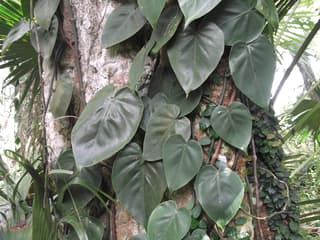
Philodendron hederaceum
Chemical Burn on Heartleaf Philodendron: What to Know?
Chemical Burn on Heartleaf Philodendron (Philodendron hederaceum) is a environmental condition with high severity. Heartleaf Philodendron has low susceptibility to this disease. Chemical burn (phytotoxicity) occurs when plants are damaged by misapplication or misuse of pesticides, herbicides, fertilizers, or other chemicals. Environmental conditions like high temperatures, hu...
Heartleaf Philodendron is a easy-care plant. Recovery from Chemical Burn takes approximately 21 days with proper treatment. As an indoor plant, ensure good ventilation to aid recovery.
Unlike most plants, Heartleaf Philodendron has natural resistance to Chemical Burn. Best treated with preventive measures rather than reactive treatment.
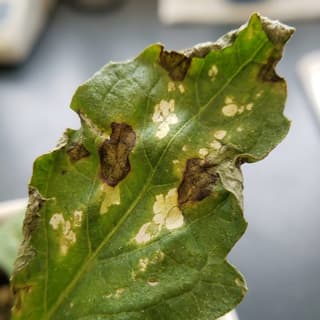
🔍 What Does Chemical Burn Look Like on Heartleaf Philodendron?
- • Leaf spots, blotches, or irregular discolored areas
- • Browning or yellowing of leaf margins and tips
- • Scorched or burned appearance on foliage
- • Distortion or curling of new leaves
- • Chlorosis (yellowing) from herbicide exposure
- • Wilting despite adequate watering
- • Defoliation in severe cases
❓ What Causes Chemical Burn on Heartleaf Philodendron?
- → Misapplication of pesticides or herbicides
- → Over-fertilization or fertilizer contact with foliage
- → Pesticide drift from nearby applications
- → Applying chemicals in high temperatures or humidity
- → Using chemicals on stressed, drought-affected, or diseased plants
- → Incorrect spray concentration or mixing
- → Application during vulnerable growth stages
💊 How to Treat Chemical Burn on Heartleaf Philodendron?
TLDR: Treat Chemical Burn on Heartleaf Philodendron with quick treatment (~11 days) or organic (~21 days). Heartleaf Philodendron has low susceptibility to this disease.
Quick Fixes
Step 1
Immediately flush entire plant with water for 5-10 minutes to wash off chemical residue
Step 2
Remove all severely burned, wilted, or blackened leaves and stems
Step 3
Water soil thoroughly to begin leaching process
Step 4
Apply chelated micronutrient foliar spray to address deficiencies quickly
Step 5
Use root stimulator product according to package directions
Step 6
Apply anti-transpirant spray to reduce water loss from damaged foliage
Step 7
Relocate to optimal light conditions and stable temperature
Step 8
Check daily; repeat micronutrient spray every 5-7 days until recovery
Organic Treatment
Step 1
Immediately rinse all plant surfaces with clean water for 5-10 minutes to remove chemical residue
Step 2
Carefully prune away severely damaged, brown, or dead leaves to redirect energy to healthy tissue
Step 3
Water soil deeply (but avoid waterlogging) to help flush chemicals from root zone
Step 4
Apply organic seaweed extract spray (diluted per instructions) to foliage every 3-4 days
Step 5
Spray leaves with diluted fish emulsion (half-strength) weekly to provide micro-nutrients
Step 6
Add 2-3 inches of organic mulch around base to retain moisture and protect roots
Step 7
Move plant to filtered light or provide shade cloth if outdoors to reduce stress
Step 8
Monitor daily for signs of new growth; continue supportive care for 3 weeks
🛡️ How to Prevent Chemical Burn on Heartleaf Philodendron?
TLDR: Prevent Chemical Burn on Heartleaf Philodendron with 7 essential preventive care practices.
- ✓ Always follow pesticide label instructions carefully
- ✓ Avoid applying chemicals in extreme heat, cold, or high humidity
- ✓ Test chemicals on a small area before full application
- ✓ Ensure plants are well-watered before chemical application
- ✓ Apply chemicals in calm weather to prevent drift
- ✓ Use proper protective equipment and application techniques
- ✓ Monitor plant health and environmental conditions regularly
🌱 How to Care for Heartleaf Philodendron to Prevent Chemical Burn?
💧 How to Water
Water when the top of the soil feels dry. In summer, about twice a week; in winter, once a week or every 10 days. Avoid overwatering.
☀️ Lighting
Prefers indirect or filtered light. Avoid direct sunlight which can burn the leaves. Tolerates low-light environments but grows better with consistent lighting.
🪴 Ideal Soil
Use well-draining soil rich in organic matter. Mix potting soil with perlite or coconut fiber. Ideal pH between 5.5 and 6.5.
Frequently asked questions
Can Chemical Burn kill my Heartleaf Philodendron?
How long does Heartleaf Philodendron take to recover from Chemical Burn?
Is Chemical Burn contagious to other plants near Heartleaf Philodendron?
Sources & References
- Chemical Injury to Garden Plants | Iowa State University Extension
- Phytotoxicity: Chemical Damage to Garden Plants | University of Maryland Extension
- Phytotoxicity: How to treat Pesticide damage to plants
- How to Fix Chemical Burn On a Plant - Botanic Beam
- Philodendron hederaceum: cuidados, riego y reproducción - Ecología Verde
- Philodendron hederaceum: Guía completa de cuidados - PlantaRaices
- Cómo cultivar y cuidar Philodendron hederaceum - Antes Todo Esto Era Campo