Solomon's Seal with Grey Mould? Rare but Treatable
Polygonatum
Grey Mould on Solomon's Seal: What to Know?
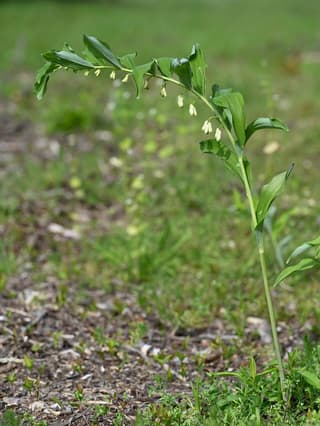
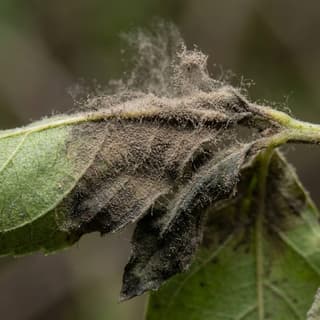
Grey Mould on Solomon's Seal (Polygonatum) is a fungal condition with moderate severity. Solomon's Seal has low susceptibility to this disease.
Solomon's Seal is a easy-care plant.
Unlike most plants, Solomon's Seal has natural resistance to Grey Mould. Best treated with preventive measures rather than reactive treatment. Unlike bacterial infections, Grey Mould on Solomon's Seal can be managed with organic fungicides. Without precautions, chemical treatments for Grey Mould can be harmful to pets. Use organic methods for Solomon's Seal in pet-friendly homes.
🌱 How to Care for Solomon's Seal to Prevent Grey Mould?
💧 How to Water
Keep the soil evenly moist, especially in the first year and in spring while the stems are growing: water deeply about once a week in dry weather. Established plants in the ground cope with short dry spells, but long drought makes the leaves scorch and yellow early. A mulch of leaves or compost helps keep moisture in. Avoid waterlogged soil, which can rot the rhizomes.
☀️ Lighting
Grow it in partial or full shade, ideally dappled light under trees or morning sun with afternoon shade. It tolerates sun only if the soil never dries out; hot afternoon sun scorches the leaves. It is an outdoor plant that needs a cold winter rest, so it is not suitable as a houseplant.
🪴 Ideal Soil
Plant in fertile, humus-rich soil that is moist but well drained, such as woodland soil improved with leaf mould or compost. It adapts to clay, loam, sand and chalk and to acid, neutral or alkaline soils. Plant the rhizomes horizontally, about 5-8 cm deep.