Malvaceae
velvetleaf: Edible Plant
Abutilon theophrasti
Grows vigorously in full sun with average garden soil; not typically cultivated as an ornamental due to its aggressive, weedy nature and invasive status in many regions. Requires little intervention once established.
Every 7 days
Bright indirect
° - °C
% - %
Categories
What is velvetleaf?
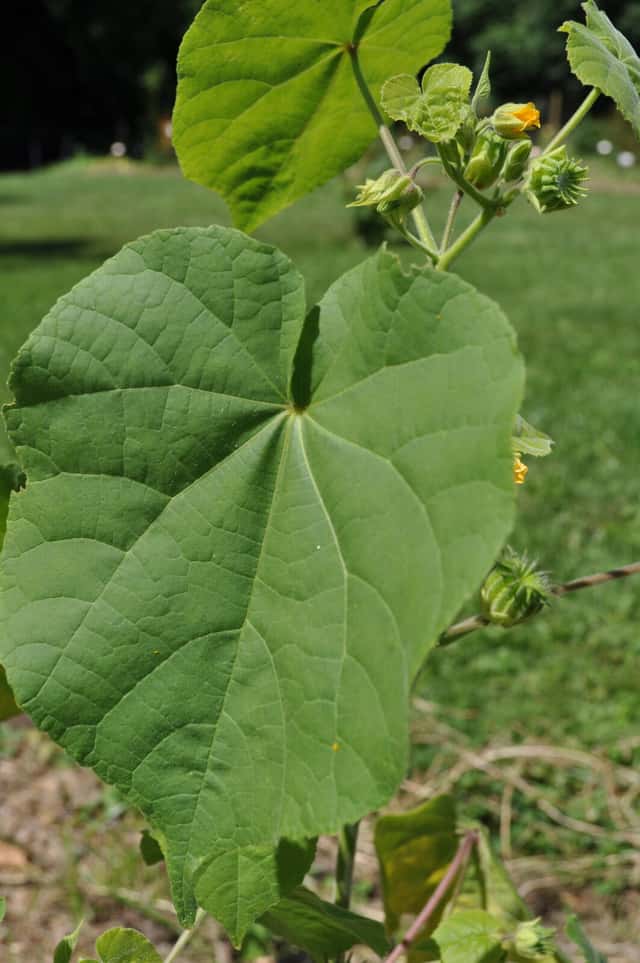
velvetleaf (Abutilon theophrasti) is a easy-care plant from the Malvaceae family. Abutilon theophrasti is a fast-growing annual in the mallow family (Malvaceae), native to central and east Asia and now a widespread agricultural weed across North America, Europe and beyond. It has large, heart-shaped, velvety leaves, sturdy hairy stems reaching up to 2.5 m, and yellow five-petaled...
velvetleaf grows up to 2.5m, watering every 7 days. It is not suitable for indoor environments and safe for pets.
Unlike many tropical plants, velvetleaf tolerates watering mistakes. Best for beginners. Unlike many popular species, velvetleaf is safe to keep around pets.
How to Care for velvetleaf?
TLDR: velvetleaf needs Bright indirect, watering every 7 days, and temperatures between 15-30°C with 40-70% humidity.
How Often Should You Water velvetleaf?
Tolerates average rainfall; keep soil evenly moist during germination and early growth, then allow it to dry between waterings.
How Much Light Does velvetleaf Need?
Needs full sun for vigorous growth; tolerates light shade but flowers and seeds less prolifically.
What Is the Best Soil for velvetleaf?
Adapts to sandy, loamy or clay soils as long as drainage is reasonable; prefers disturbed, fertile ground.
What Pot Should You Use for velvetleaf?
Rarely grown in containers; if contained (recommended given its invasive status), use a large, deep, well-draining pot to accommodate its taproot.
Care Schedule
Fertilize
Every 14 days
Misting
Every 3 days
Rotate
Every 7 days
Repot
Every 365 days
What Is velvetleaf and Where Does It Come From?
Abutilon theophrasti is a fast-growing annual in the mallow family (Malvaceae), native to central and east Asia and now a widespread agricultural weed across North America, Europe and beyond. It has large, heart-shaped, velvety leaves, sturdy hairy stems reaching up to 2.5 m, and yellow five-petaled flowers in summer followed by distinctive ring-shaped seed capsules. Seeds can remain viable in soil for decades, making it a persistent weed of corn, soybean and cotton fields.
How to Propagate velvetleaf?
Seed sowing
Seeds have a hard coat and can remain viable in soil for decades; scarification can speed germination.
- 1 Collect mature seeds from dry seed capsules in fall
- 2 Sow indoors in early spring or direct-sow outdoors after last frost
- 3 Keep soil warm (24-30°C) and moist until germination
- 4 Transplant or thin seedlings once true leaves appear
Materials needed:
How Big Does velvetleaf Grow?
TLDR: velvetleaf can reach up to 2.5m tall with Fast growth rate.
Max height
2.5m
Growth rate
Fast
Foliage
Deciduous
Plant Uses
Medicinal
Medicinal properties
Edible
Can be consumed
Medicinal Uses
- Traditional Chinese medicine use of leaves and seeds as a demulcent for dysentery, fevers and eye irritation
Culinary Uses
- Immature seeds eaten raw; ripe seeds dried and ground into flour for soups and bread
Is your plant showing symptoms?
Click on the symptom to discover possible causes:
What Diseases Commonly Affect velvetleaf?
TLDR: velvetleaf is susceptible to 5 known diseases. Monitor regularly for early detection.
Anthracnose
Anthracnose is a fungal disease caused by fungi in the genus Colletotrichum that affects many plants, including vegetables, fruits, and trees. The disease thrives in cool, wet conditions, causing dark, sunken lesions on leaves, stems, flowers, and fruits.
Verticillium Wilt
Verticillium wilt is a soil-borne fungal disease caused primarily by the fungi Verticillium dahliae and V. albo-atrum. These pathogens infect plant roots and grow within the vascular tissues, blocking water and nutrient transport, resulting in wilting and eventual plant death. The disease affects over 350 plant species including vegetables, fruits, ornamental flowers, and trees. The fungi can survive in soil for more than 10 years as resistant structures called microsclerotia.
Mosaic Virus
Mosaic virus is a group of plant viruses that cause mottled, patchy patterns on leaves and can affect a wide variety of plants. The virus creates characteristic yellow, white, and green mosaic patterns, often accompanied by stunted growth and deformed plant parts. This highly contagious disease spreads rapidly through insect vectors and contaminated tools.
Caterpillars
Caterpillars are the larval stage of moths and butterflies that feed voraciously on plant foliage, stems, flowers, and fruits. Common species include cabbage loopers, tomato hornworms, armyworms, and cutworms. These pests can cause extensive damage by consuming large amounts of plant tissue in a short time. They vary in size from small (1/4 inch) to large (5 inches), with colors ranging from green to brown, often featuring stripes or spots. Caterpillars are highly mobile and can quickly spread throughout gardens, making them one of the most destructive common pests.
Meaning & Symbolism
No widely recognized cultural symbolism; commonly regarded as an indicator of disturbed, fertile agricultural land.
Compare with similar plants
| Attribute | Difficulty | Light | Watering | Pet Safe |
|---|---|---|---|---|
| Field Maple | Easy | Bright indirect | 14d | ✓ |
| Silver Birch | Easy | Direct sun | 14d | ✓ |
| Common Blanketflower | Easy | Direct sun | 10d | ✓ |
| Cushion Bush | Easy | Direct sun | 14d | ✓ |





