Rubiaceae
Skunkvine: Aromatic Plant
Paederia foetida
It is a hardy and easy-to-grow plant that adapts well to full sun and prefers fertile, well-drained soil. It tolerates a wide variety of soil types (sandy, clay, or loam) and hot, humid climates, requiring little intensive care. Its vigorous growth requires regular pruning to keep the plant under control.
Every 7 days
Direct sun
10° - 38°C
% - %
Categories
What is Skunkvine?
Skunkvine (Paederia foetida) is a easy-care plant from the Rubiaceae family. Paederia foetida is a perennial climbing vine in the Rubiaceae family, native to tropical and temperate Asia (India, China, Southeast Asia). It is known for the strong, sulfurous odor that the foliage emits when crushed or bruised, caused by compounds such as dimethyl disulfide. It grows rapidly, tw...
Skunkvine grows up to 7.0m, spread of 30cm, watering every 7 days, 10°C – 38°C. It is not suitable for indoor environments and safe for pets.
Unlike many tropical plants, Skunkvine tolerates watering mistakes. Best for beginners. Unlike many popular species, Skunkvine is safe to keep around pets.
How to Care for Skunkvine?
TLDR: Skunkvine needs Direct sun, watering every 7 days, and temperatures between 10-38°C with 40-70% humidity.
How Often Should You Water Skunkvine?
Water weekly, keeping the soil uniformly moist but not waterlogged; the plant tolerates short periods of drought once established.
How Much Light Does Skunkvine Need?
Prefers a full sun to partially sunny and sheltered position, also adapting well to bright indirect light.
What Is the Best Soil for Skunkvine?
Grows best in fertile, well-drained soil with a slightly acidic to neutral pH; tolerates sandy, clay, or loamy soils.
What Pot Should You Use for Skunkvine?
Large pots with a trellis or direct planting near fences and walls.
Care Schedule
Fertilize
Every 35 days
What Is Skunkvine and Where Does It Come From?
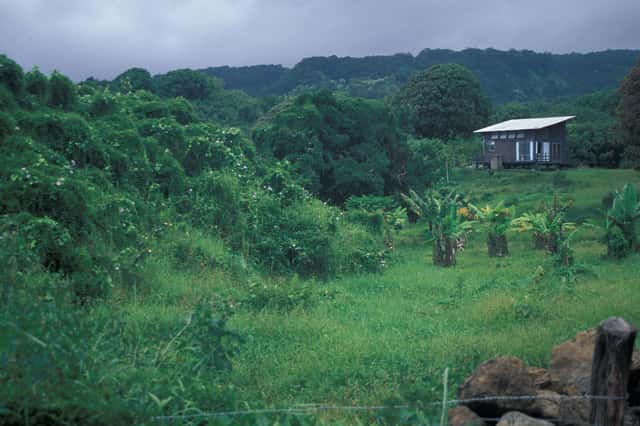
Paederia foetida is a perennial climbing vine in the Rubiaceae family, native to tropical and temperate Asia (India, China, Southeast Asia). It is known for the strong, sulfurous odor that the foliage emits when crushed or bruised, caused by compounds such as dimethyl disulfide. It grows rapidly, twining around other plants or structures for support, and can reach several meters in length. In various regions outside its native habitat, such as parts of the United States, it has become naturalized and is considered an invasive species.
How to Propagate Skunkvine?
Seed propagation
- 1 Collect ripe fruits and extract the seeds
- 2 Sow in a light, well-drained substrate, maintaining constant moisture
- 3 Wait for germination, which can vary from 5 to 24 days
Materials needed:
Layering / Stem rooting propagation
- 1 Select a flexible stem still attached to the mother plant
- 2 Place a segment of the stem in contact with moist soil
- 3 Maintain moisture until rooting occurs at the contact point
- 4 Separate the new sapling from the mother plant after rooting
Materials needed:
How Big Does Skunkvine Grow?
TLDR: Skunkvine can reach up to 7.0m tall with Fast growth rate.
Max height
7.0m
Spread
30cm
Growth rate
Fast
Foliage
Semi-evergreen
Plant Uses
Edible
Can be consumed
Medicinal
Medicinal properties
Aromatic
Pleasant fragrance
Medicinal Uses
- Leaf juice used as an astringent in the treatment of childhood diarrhea
- Leaves employed in traditional medicine for digestive problems, rheumatism, and external swelling
- Roots used for indigestion and inflammation
- Fruit traditionally used for toothaches
- Studies indicate gastroprotective activity and iridoid glycosides with antitumor potential
Culinary Uses
- Leaves consumed raw or cooked, often mixed with shredded coconut and spices as a side dish for rice
- In Hainan cuisine, leaves are ground and mixed with rice flour to prepare noodles used in sweet soup
- Used as a seasoning in traditional dishes from Northeast and East India
- Cooking eliminates the characteristic odor of the raw foliage
Is your plant showing symptoms?
Click on the symptom to discover possible causes:
What Diseases Commonly Affect Skunkvine?
TLDR: Skunkvine is susceptible to 2 known diseases. Monitor regularly for early detection.
Aphids
Aphids are small, soft-bodied, pear-shaped insects (1/16 to 1/8 inch long) that feed by sucking nutrient-rich sap from plants. They reproduce rapidly and can quickly weaken plants, causing distorted growth and transmitting plant viruses. Aphids come in various colors including green, black, red, yellow, brown, and gray. They secrete honeydew, a sticky substance that attracts ants and encourages sooty mold growth.
Spider Mites
Spider mites are tiny arachnids (less than 1/20 inch long) related to spiders and ticks that feed on plant sap. They thrive in hot, dry conditions and can cause significant damage to ornamental and vegetable plants. During severe infestations, crop losses can reach 14% or higher as these pests disrupt vital plant processes including photosynthesis, carbon dioxide absorption, and transpiration.
Meaning & Symbolism
In popular culture, it is associated with resilience and the healing of internal ailments.
Compare with similar plants
| Attribute | Difficulty | Light | Watering | Pet Safe |
|---|---|---|---|---|
| Field Maple | Easy | Bright indirect | 14d | ✓ |
| Silver Birch | Easy | Direct sun | 14d | ✓ |
| Common Blanketflower | Easy | Direct sun | 10d | ✓ |
| Cushion Bush | Easy | Direct sun | 14d | ✓ |





