Rosaceae
Red Raspberry – Complete Grow & Care Guide
Rubus idaeus
Red Raspberry is an easy-care fruiting shrub that needs full sun, well-drained slightly acidic soil, and consistent watering during the growing season. Prune out old fruiting canes annually to encourage vigorous new growth. Provide support with stakes or a trellis for best results.
Every 7 days
Direct sun
-20° - 30°C
50% - 70%
Categories
What is Red Raspberry?
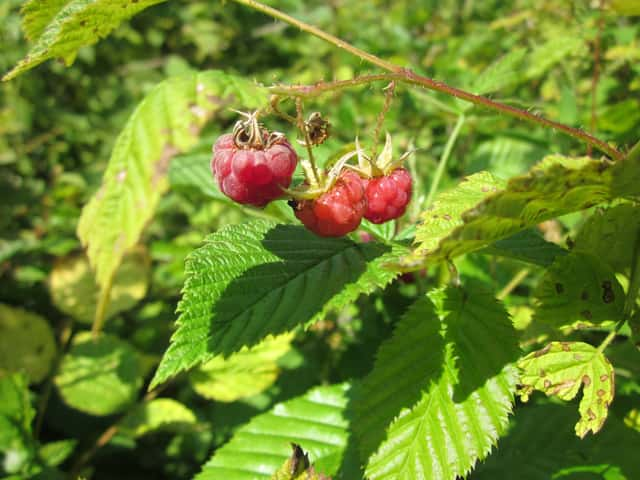
Red Raspberry (Rubus idaeus) is a easy-care plant from the Rosaceae family. Red Raspberry (Rubus idaeus) is a deciduous fruiting shrub native to Europe and northern Asia, belonging to the Rosaceae family. It produces arching, thorny canes that bear delicious, bright red aggregate berries in summer. Widely cultivated for both its edible fruit and ornamental hedging value, it...
Red Raspberry grows up to 1.8m, spread of 150cm, watering every 7 days, -20°C – 30°C, 50–70% humidity. It is not suitable for indoor environments and safe for pets.
Unlike many tropical plants, Red Raspberry tolerates watering mistakes. Best for beginners. Unlike many popular species, Red Raspberry is safe to keep around pets.
How to Care for Red Raspberry?
TLDR: Red Raspberry needs Direct sun, watering every 7 days, and temperatures between -20-30°C with 50-70% humidity.
How Often Should You Water Red Raspberry?
Water deeply once a week, providing about 1–1.5 inches (2.5–4 cm) of water during active growth and fruiting. Use drip irrigation when possible to keep foliage dry and prevent fungal disease. Reduce watering in winter when the plant is dormant.
How Much Light Does Red Raspberry Need?
Plant in a location that receives at least 6–8 hours of direct sunlight per day. Full sun is essential for fruit production and to minimise fungal disease risk. Light afternoon shade is acceptable in very hot climates.
What Is the Best Soil for Red Raspberry?
Plant in fertile, well-drained soil with a pH between 5.8 and 6.8. Amend with compost before planting. Raised beds are recommended in areas with heavy or poorly drained soils. Avoid waterlogged conditions, which cause root rot.
What Pot Should You Use for Red Raspberry?
Outdoor raised bed or large garden border; avoid containers as roots need space
Care Schedule
Fertilize
Every 60 days
What Is Red Raspberry and Where Does It Come From?
Red Raspberry (Rubus idaeus) is a deciduous fruiting shrub native to Europe and northern Asia, belonging to the Rosaceae family. It produces arching, thorny canes that bear delicious, bright red aggregate berries in summer. Widely cultivated for both its edible fruit and ornamental hedging value, it thrives in temperate climates with cool winters and mild summers.
How to Propagate Red Raspberry?
Crown Division
Divide every 3–4 years to rejuvenate the planting. Use a sharp spade for clean cuts.
- 1 Dig up an established plant in early spring before new growth begins
- 2 Divide the crown into sections, each with healthy roots and 1–2 canes
- 3 Replant divisions at the same depth in prepared soil
- 4 Water thoroughly and mulch around the base
Materials needed:
Root Cutting
Root cuttings are best taken from young, vigorous plants. Keep compost moist but not waterlogged.
- 1 In late winter, dig up root pieces 5–8 cm long from a healthy plant
- 2 Place root cuttings horizontally in trays of moist compost
- 3 Cover lightly with compost and keep in a cool but frost-free location
- 4 Pot up individually once shoots appear
Materials needed:
How Big Does Red Raspberry Grow?
TLDR: Red Raspberry can reach up to 1.8m tall with Medium growth rate.
Max height
1.8m
Spread
1.5m
Growth rate
Medium
Foliage
Deciduous
Plant Uses
Edible
Can be consumed
Medicinal
Medicinal properties
Ornamental
Great for decoration
Medicinal Uses
- Raspberry leaf tea used traditionally to support uterine health and ease menstrual discomfort; consult a healthcare professional before use during pregnancy
Culinary Uses
- Fresh eating
- Jams and jellies
- Desserts and baking
- Smoothies and juices
- Freezing and dehydrating
- Wines and cordials
Is your plant showing symptoms?
Click on the symptom to discover possible causes:
What Diseases Commonly Affect Red Raspberry?
TLDR: Red Raspberry is susceptible to 13 known diseases. Monitor regularly for early detection.
Anthracnose
Anthracnose is a fungal disease caused by fungi in the genus Colletotrichum that affects many plants, including vegetables, fruits, and trees. The disease thrives in cool, wet conditions, causing dark, sunken lesions on leaves, stems, flowers, and fruits.
Gray Mold (Botrytis Blight)
Gray mold, caused by the fungus Botrytis cinerea, is a widespread necrotrophic pathogen affecting over 1,400 plant species. It thrives in cool, humid conditions and attacks weakened or aging plant tissues, causing soft rot and characteristic gray fuzzy growth.
Root Rot
Root rot is a serious fungal disease that affects the root system of plants, causing them to decay and die. It is primarily caused by overwatering, poor drainage, or soil-borne fungi such as Pythium, Phytophthora, Rhizoctonia, and Fusarium. The disease thrives in waterlogged conditions where roots are deprived of oxygen, making them susceptible to fungal infection.
Powdery Mildew
Powdery mildew is a common fungal disease caused by various fungi species including Erysiphe, Podosphaera, Oïdium, and Leveillula. It affects over 10,000 plant species worldwide. The disease thrives in warm, dry climates with high humidity and appears as a distinctive white powdery coating on plant surfaces.
Meaning & Symbolism
The red raspberry symbolises abundance, fertility, and the sweetness of summer harvests. Its thorny canes also represent resilience and protection in European folklore.
Fun Facts
A single mature raspberry plant can produce up to 0.5–1 kg of fruit per season under good conditions.
Raspberries are technically not berries but aggregate drupes, made up of many small drupelets clustered around a central core.
Rubus idaeus has been cultivated in Europe for over 2,000 years; Roman sources mention its use as a food and medicinal plant.
The hollow core left when raspberries are picked off their receptacle is unique to the genus Rubus and distinguishes raspberries from blackberries.
Frequently asked questions
How often should I water Red Raspberry?
When should I prune my raspberry canes?
Is Red Raspberry toxic to pets?
Why are my raspberry canes wilting or dying?
How do I increase my raspberry harvest?
Compare with similar plants
| Attribute | Difficulty | Light | Watering | Pet Safe |
|---|---|---|---|---|
| Field Maple | Easy | Bright indirect | 14d | ✓ |
| Silver Birch | Easy | Direct sun | 14d | ✓ |
| Common Blanketflower | Easy | Direct sun | 10d | ✓ |
| Cushion Bush | Easy | Direct sun | 14d | ✓ |





