Cucurbitaceae
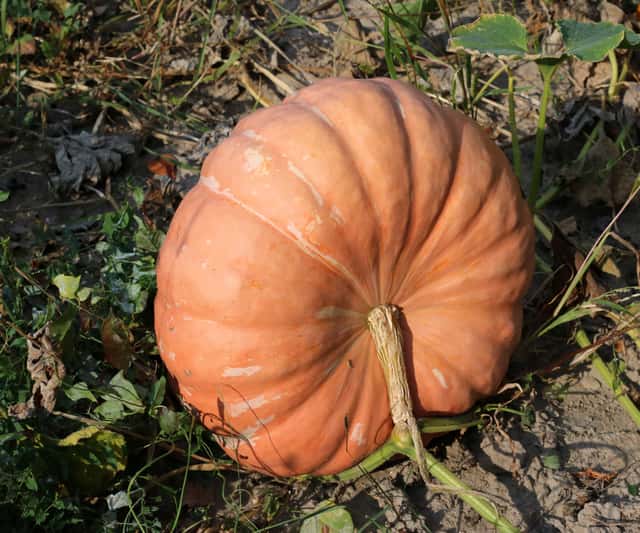
Pumpkin: Edible Plant
Cucurbita maxima
Grow in full sun, in soil rich in organic matter with frequent watering. It requires plenty of space to spread.
Every 3 days
Direct sun
15° - 32°C
40% - 65%
Categories
What is Pumpkin?
Pumpkin (Cucurbita maxima) is a easy-care plant from the Cucurbitaceae family. Cucurbita maxima, commonly known as pumpkin or winter squash, is a vigorous annual trailing vine. Its leaves are large, heart-shaped, and rough, while its flowers are a vibrant yellow. It is widely cultivated for its nutritious fruits, which can vary drastically in size, shape, and rind color, being...
Pumpkin grows up to 60cm, spread of 400cm, watering every 3 days, 15°C – 32°C, 40–65% humidity. It is not suitable for indoor environments and safe for pets.
Unlike many tropical plants, Pumpkin tolerates watering mistakes. Best for beginners. Unlike many popular species, Pumpkin is safe to keep around pets.
How to Care for Pumpkin?
TLDR: Pumpkin needs Direct sun, watering every 3 days, and temperatures between 15-32°C with 40-65% humidity.
How Often Should You Water Pumpkin?
Water at the base of the plant to avoid wetting the leaves, which reduces the risk of powdery mildew and other fungal diseases.
How Much Light Does Pumpkin Need?
This plant requires full sun for at least 6 to 8 hours daily to produce healthy fruit.
What Is the Best Soil for Pumpkin?
The soil should be deep, light, and very rich in nitrogen and potassium.
What Pot Should You Use for Pumpkin?
Direct planting in the ground is recommended. If using pots, they should have a minimum capacity of 50 liters and considerable depth.
Care Schedule
Fertilize
Every 14 days
What Is Pumpkin and Where Does It Come From?
Cucurbita maxima, commonly known as pumpkin or winter squash, is a vigorous annual trailing vine. Its leaves are large, heart-shaped, and rough, while its flowers are a vibrant yellow. It is widely cultivated for its nutritious fruits, which can vary drastically in size, shape, and rind color, being one of the species that produces the largest fruits in the plant kingdom.
How to Propagate Pumpkin?
Direct Sowing
- Avoid planting in cold soils; wait for the temperature to stabilize above 65°F (18°C)
- Keep the soil moist but never waterlogged during germination
- 1 Preparation of the Planting Hole
Prepare holes rich in organic compost or well-rotted manure.
- 2 Planting
Place 2 to 3 seeds per hole at a depth of 1 inch (2 to 3 cm).
- 3 Thinning
After germination, keep only the most vigorous seedling in each hole.
Materials needed:
How Big Does Pumpkin Grow?
TLDR: Pumpkin can reach up to 60cm tall with Fast growth rate.
Max height
60cm
Spread
4.0m
Growth rate
Fast
Foliage
Deciduous
Plant Uses
Edible
Can be consumed
Ornamental
Great for decoration
Medicinal Uses
- Seeds used as a natural dewormer
- Anti-inflammatory and antioxidant properties
- Support for prostate health
Culinary Uses
- Cooked pulp in soups and purees
- Roasted seeds as a snack
- Sweets, preserves, and pie fillings
- Breaded and fried flowers
Is your plant showing symptoms?
Click on the symptom to discover possible causes:
What Diseases Commonly Affect Pumpkin?
TLDR: Pumpkin is susceptible to 13 known diseases. Monitor regularly for early detection.
Powdery Mildew
Powdery mildew is a common fungal disease caused by various fungi species including Erysiphe, Podosphaera, Oïdium, and Leveillula. It affects over 10,000 plant species worldwide. The disease thrives in warm, dry climates with high humidity and appears as a distinctive white powdery coating on plant surfaces.
Downy Mildew
Downy mildew is a fungal-like disease caused by oomycetes (water molds) that thrives in cool, wet conditions. It affects a wide range of plants, causing yellowing leaves with fuzzy white-gray growth underneath, leading to defoliation and reduced yields if left untreated.
Anthracnose
Anthracnose is a fungal disease caused by fungi in the genus Colletotrichum that affects many plants, including vegetables, fruits, and trees. The disease thrives in cool, wet conditions, causing dark, sunken lesions on leaves, stems, flowers, and fruits.
Alternaria Leaf Spot
Alternaria leaf spot is a common fungal disease caused by Alternaria solani and Alternaria alternata that affects a wide range of plants including tomatoes, potatoes, brassicas, and ornamentals. The disease thrives in warm, humid conditions and can cause significant crop damage if left untreated. Spores overwinter on plant debris and can attach to seeds, making complete elimination difficult.
Meaning & Symbolism
Symbolizes fertility, harvest abundance, and gratitude.
Compare with similar plants
| Attribute | Difficulty | Light | Watering | Pet Safe |
|---|---|---|---|---|
| Field Maple | Easy | Bright indirect | 14d | ✓ |
| Silver Birch | Easy | Direct sun | 14d | ✓ |
| Common Blanketflower | Easy | Direct sun | 10d | ✓ |
| Cushion Bush | Easy | Direct sun | 14d | ✓ |





