Rosaceae
Pin cherry (Prunus pensylvanica): growing guide
Prunus pensylvanica
Plant in full sun in well-drained, slightly acidic soil. It grows fast but is short-lived and prone to some cherry diseases, such as black knot and leaf spot.
Every 7 days
Bright indirect
° - °C
% - %
Categories
What is Pin cherry?
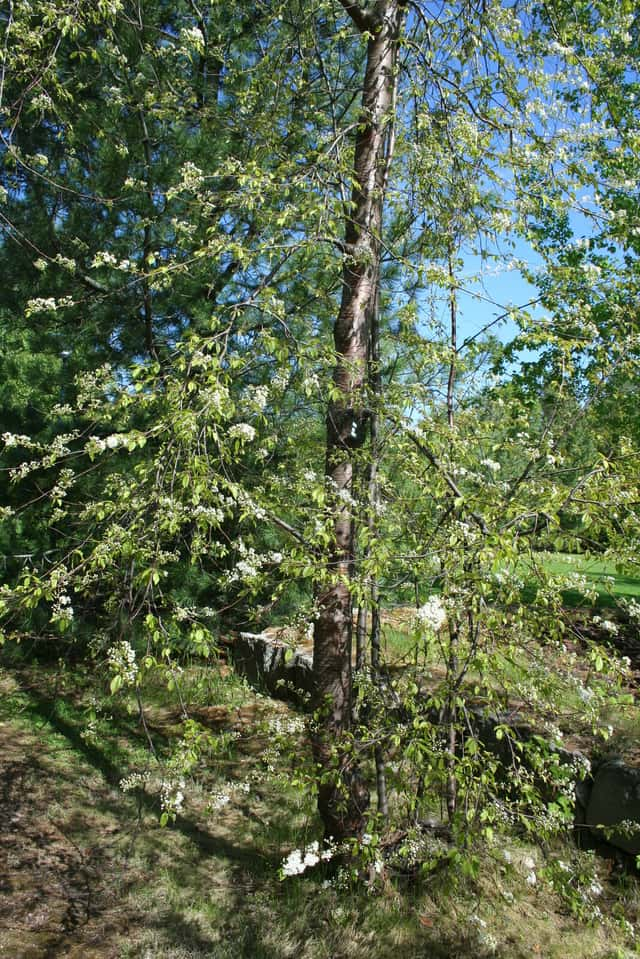
Pin cherry (Prunus pensylvanica) is a medium-care plant from the Rosaceae family. Pin cherry is a small tree or shrub in the rose family, native to Canada and the northern United States. It usually grows 5 to 15 m tall with a straight trunk, reddish bark and a narrow crown. In spring it bears small clusters of white flowers as the leaves open, followed in summer by sour red cherr...
Pin cherry grows up to 15.0m, watering every 7 days. It is not suitable for indoor environments and not safe for pets.
Without precautions, ingestion can cause irritation in pets. Keep out of reach of cats and dogs.
How to Care for Pin cherry?
TLDR: Pin cherry needs Bright indirect, watering every 7 days, and temperatures between 15-30°C with 40-70% humidity.
How Often Should You Water Pin cherry?
Water a young tree about once a week in its first summer. Once established it tolerates drought and only needs water in long dry spells.
How Much Light Does Pin cherry Need?
Full sun. It does not tolerate shade and in the forest only grows in clearings.
What Is the Best Soil for Pin cherry?
Sandy or rocky, well-drained soil with a pH of 5 to 6.
What Pot Should You Use for Pin cherry?
A tree for the ground. Only a young sapling does well in a large, deep pot with good drainage.
What Is Pin cherry and Where Does It Come From?
Pin cherry is a small tree or shrub in the rose family, native to Canada and the northern United States. It usually grows 5 to 15 m tall with a straight trunk, reddish bark and a narrow crown. In spring it bears small clusters of white flowers as the leaves open, followed in summer by sour red cherries under 1 cm across. It is a pioneer: it springs up fast after fires and logging and lives only 20 to 40 years.
How to Propagate Pin cherry?
Seed
Germination can take more than a year; the seeds stay viable in soil for decades.
- 1 Collect ripe fruit in late summer
- 2 Clean off the pulp and let the pits dry
- 3 Sow in autumn so they get the winter cold
Materials needed:
Semi-hardwood cutting
Use clean tools and keep the mix moist but not soggy.
- 1 Cut a current-year shoot that is starting to firm up
- 2 Strip the lower leaves and dip in rooting hormone
- 3 Insert into moist mix and keep sheltered
Materials needed:
How Big Does Pin cherry Grow?
TLDR: Pin cherry can reach up to 15.0m tall with Fast growth rate.
Max height
15.0m
Growth rate
Fast
Foliage
Deciduous
Warning: Toxic Plant
This plant can be toxic if ingested. Keep out of reach of:
Plant Uses
Ornamental
Great for decoration
Edible
Can be consumed
Culinary Uses
- Jams, jellies and syrups from the sour fruit
- Fruit eaten raw, without the pit
Is your plant showing symptoms?
Click on the symptom to discover possible causes:
What Diseases Commonly Affect Pin cherry?
TLDR: Pin cherry is susceptible to 4 known diseases. Monitor regularly for early detection.
Cherry Leaf Spot
Cherry leaf spot (Blumeriella jaapii) is a fungal disease that primarily attacks cherries (sour and sweet cherries) and occasionally other Prunus species, such as ornamental cherries and plums. It thrives when the weather is cool and humid during spring and early summer. It is identified by small, round reddish-purple to brown spots on the leaves. Over time, these spots may drop out leaving small holes, while the leaves turn yellow and drop prematurely. On the underside of the leaves, small light to dark dots are sometimes visible where the fungus produces spores. The disease primarily overwinters in fallen leaves beneath the tree.
Powdery Mildew
Powdery mildew is a common fungal disease caused by various fungi species including Erysiphe, Podosphaera, Oïdium, and Leveillula. It affects over 10,000 plant species worldwide. The disease thrives in warm, dry climates with high humidity and appears as a distinctive white powdery coating on plant surfaces.
Rust
Rust is a common fungal disease caused by fungi in the order Pucciniales that affects a wide variety of plants. The disease gets its name from the characteristic orange, yellow, or reddish-brown pustules that appear on leaves, resembling metal rust. This obligate fungal parasite requires living plants to survive and can cause significant economic losses in agricultural crops.
Caterpillars
Caterpillars are the larval stage of moths and butterflies that feed voraciously on plant foliage, stems, flowers, and fruits. Common species include cabbage loopers, tomato hornworms, armyworms, and cutworms. These pests can cause extensive damage by consuming large amounts of plant tissue in a short time. They vary in size from small (1/4 inch) to large (5 inches), with colors ranging from green to brown, often featuring stripes or spots. Caterpillars are highly mobile and can quickly spread throughout gardens, making them one of the most destructive common pests.
Fun Facts
Its seeds can stay viable in the soil for 50 to 100 years
It lives only 20 to 40 years
Moose browse its twigs in winter
Frequently asked questions
Are pin cherries edible?
Is pin cherry toxic to pets?
Why is it called fire cherry?
Compare with similar plants
| Attribute | Difficulty | Light | Watering | Pet Safe |
|---|---|---|---|---|
| Dark Fieldcap | Medium | Low light | 2d | ⚠️ |
| Azalea | Medium | Partial shade | 3d | ⚠️ |
| Muriel's Bamboo | Medium | Partial shade | 3d | ✓ |
| Bougainvillea | Medium | Direct sun | 7d | ⚠️ |