Brassicaceae
Pennycress (genus Thlaspi)
Thlaspi
An easy herb that usually turns up on its own: sun, ordinary soil and moderate watering. It is an annual that sprouts in autumn, overwinters as a rosette, flowers in spring and dies once it has set seed.
Every 4 days
Bright indirect
° - °C
% - %
Categories
What is Pennycress (genus)?
Pennycress (genus) (Thlaspi) is a easy-care plant from the Brassicaceae family. Thlaspi is a genus of herbs in the cabbage family (Brassicaceae), native to temperate Europe and Asia. It once held more than 70 species; after taxonomic revisions most were moved to other genera such as Noccaea and Microthlaspi, leaving Thlaspi with only a handful of species. The best known is Thla...
Pennycress (genus) grows up to 80cm, watering every 4 days. It is not suitable for indoor environments and safe for pets.
Unlike many tropical plants, Pennycress (genus) tolerates watering mistakes. Best for beginners. Unlike many popular species, Pennycress (genus) is safe to keep around pets.
How to Care for Pennycress (genus)?
TLDR: Pennycress (genus) needs Bright indirect, watering every 4 days, and temperatures between 15-30°C with 40-70% humidity.
How Often Should You Water Pennycress (genus)?
Water every 3 to 5 days without rain, keeping the soil lightly moist while it grows. Once the pods have dried, it needs no more water.
How Much Light Does Pennycress (genus) Need?
Full sun or bright part shade. In shade it grows tall, weak and sparse in flower.
What Is the Best Soil for Pennycress (genus)?
Any ordinary garden or vegetable-bed soil, preferably loose and fertile. It thrives in disturbed ground.
What Pot Should You Use for Pennycress (genus)?
Usually grown in the ground. In a container, use a pot of 20 cm or more with drainage, kept outdoors.
What Is Pennycress (genus) and Where Does It Come From?
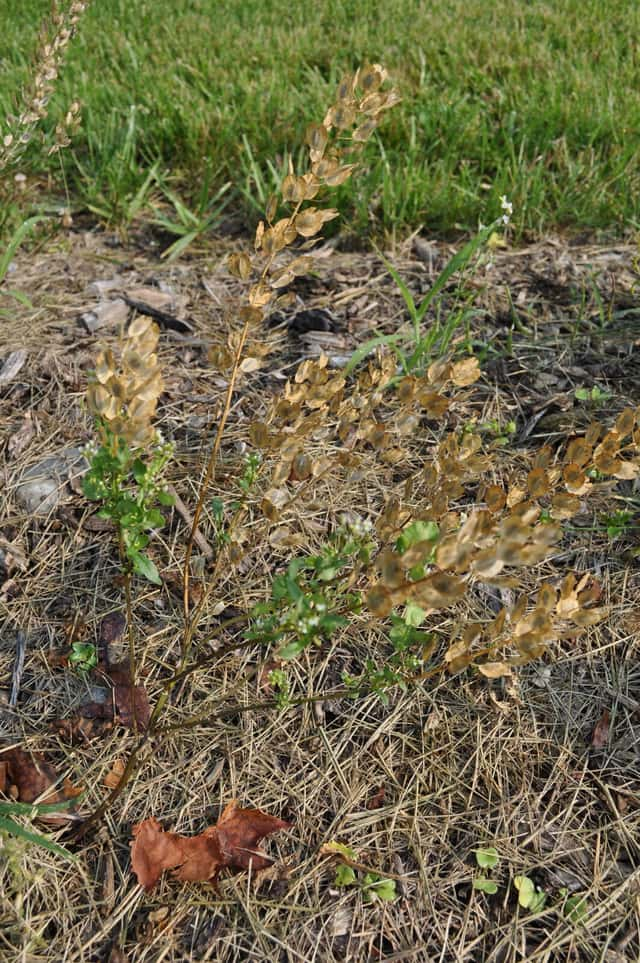
Thlaspi is a genus of herbs in the cabbage family (Brassicaceae), native to temperate Europe and Asia. It once held more than 70 species; after taxonomic revisions most were moved to other genera such as Noccaea and Microthlaspi, leaving Thlaspi with only a handful of species. The best known is Thlaspi arvense, field pennycress, a 40-80 cm annual of fields, roadsides and waste ground with small white four-petalled flowers and flat, round, winged pods that look like coins. Crushed leaves give off a strong, garlicky smell.
How to Propagate Pennycress (genus)?
Seed
Seeds germinate best in cool, moist conditions. Plants self-sow freely: remove the pods before they dry if you do not want them to spread.
- 1 Sow in autumn directly in the bed, about 1 cm deep
- 2 Keep the soil moist until seedlings appear
- 3 Let the young plants overwinter as low rosettes
- 4 In spring they bolt, flower and set pods
Materials needed:
How Big Does Pennycress (genus) Grow?
TLDR: Pennycress (genus) can reach up to 80cm tall with Fast growth rate.
Max height
80cm
Growth rate
Fast
Plant Uses
Edible
Can be consumed
Culinary Uses
- Young leaves of Thlaspi arvense, bitter, eaten after blanching in salads and spreads
Is your plant showing symptoms?
Click on the symptom to discover possible causes:
What Diseases Commonly Affect Pennycress (genus)?
TLDR: Pennycress (genus) is susceptible to 5 known diseases. Monitor regularly for early detection.
Aphids
Aphids are small, soft-bodied, pear-shaped insects (1/16 to 1/8 inch long) that feed by sucking nutrient-rich sap from plants. They reproduce rapidly and can quickly weaken plants, causing distorted growth and transmitting plant viruses. Aphids come in various colors including green, black, red, yellow, brown, and gray. They secrete honeydew, a sticky substance that attracts ants and encourages sooty mold growth.
Powdery Mildew
Powdery mildew is a common fungal disease caused by various fungi species including Erysiphe, Podosphaera, Oïdium, and Leveillula. It affects over 10,000 plant species worldwide. The disease thrives in warm, dry climates with high humidity and appears as a distinctive white powdery coating on plant surfaces.
Thrips
Thrips are tiny cigar-shaped insects (1/25-inch long) that damage plants by sucking plant juices and scraping at fruits, flowers, and leaves. With over 6,000 species and rapid reproduction (lifecycle as short as 14 days), they can quickly infest plants and transmit viruses like tomato spotted wilt virus.
Flea beetle damage
Flea beetles are small, jumping insects that feed on the leaves of many vegetable crops. They chew numerous small, circular holes, creating a characteristic 'shothole' appearance. While established plants can often tolerate the damage, young seedlings are highly susceptible and can be stunted or killed if the infestation is severe.
Fun Facts
Field pennycress seeds are rich in oil and are being tested for biodiesel and jet fuel
Plants in this group accumulate zinc and cadmium and are studied for cleaning polluted soils
The garlicky smell of crushed leaves earned field pennycress the name stinkweed
Frequently asked questions
Is pennycress poisonous?
Why is it called pennycress?
Is Hellerkraut the same as Thlaspi?
Is it a weed?
Compare with similar plants
| Attribute | Difficulty | Light | Watering | Pet Safe |
|---|---|---|---|---|
| Field Maple | Easy | Bright indirect | 14d | ✓ |
| Iberian Houseleek | Easy | Direct sun | 14d | ✓ |
| Silver Birch | Easy | Direct sun | 14d | ✓ |
| Common Blanketflower | Easy | Direct sun | 10d | ✓ |





