Araceae
Monstera Pinnatipartita
Monstera pinnatipartita
Give it bright indirect light near an east- or west-facing window and a moss pole to climb. Water when the top 5 cm of the mix are dry, usually about once a week, without leaving it soggy. It prefers humidity above 40% and temperatures between 18 and 29 °C. Feed monthly in the growing season with half-strength liquid fertilizer and stop in winter.
Every 7 days
Partial shade
18° - 29°C
40% - 60%
Categories
What is Monstera Pinnatipartita?
Monstera Pinnatipartita (Monstera pinnatipartita) is a medium-care plant from the Araceae family. Monstera pinnatipartita is a tropical climbing aroid in the Araceae family, described by Schott in 1857 and native to Central America and northern South America, from Costa Rica to Colombia, Ecuador, Venezuela and Peru. In the forest it climbs tree trunks with aerial roots to more than 10 m, with le...
Monstera Pinnatipartita grows up to 10.0m, spread of 100cm, watering every 7 days, 18°C – 29°C, 40–60% humidity. It is suitable for indoor environments and not safe for pets.
Without precautions, ingestion can cause irritation in pets. Keep out of reach of cats and dogs. Without adequate drainage, root rot can develop within 14 days.
How to Care for Monstera Pinnatipartita?
TLDR: Monstera Pinnatipartita needs Partial shade, watering every 7 days, and temperatures between 18-29°C with 40-60% humidity.
How Often Should You Water Monstera Pinnatipartita?
Water when the top quarter to half of the potting mix is dry to the touch, usually about once a week in summer and less in winter. Never leave water standing in the saucer: the roots are delicate and too much water leads to root rot.
How Much Light Does Monstera Pinnatipartita Need?
Bright, indirect light within about 1 m of an unobstructed east- or west-facing window. Strong direct sun scorches the leaves; too little light slows growth and the leaves stay unsplit.
What Is the Best Soil for Monstera Pinnatipartita?
Use an airy, well-draining mix with organic matter, bark and perlite that holds some moisture without staying wet. A pot with good drainage holes is a must.
What Pot Should You Use for Monstera Pinnatipartita?
A pot with good drainage holes, slightly larger than the root ball, plus a moss or coir pole for climbing. Terracotta helps the mix dry out faster.
Care Schedule
Fertilize
Every 30 days
What Is Monstera Pinnatipartita and Where Does It Come From?
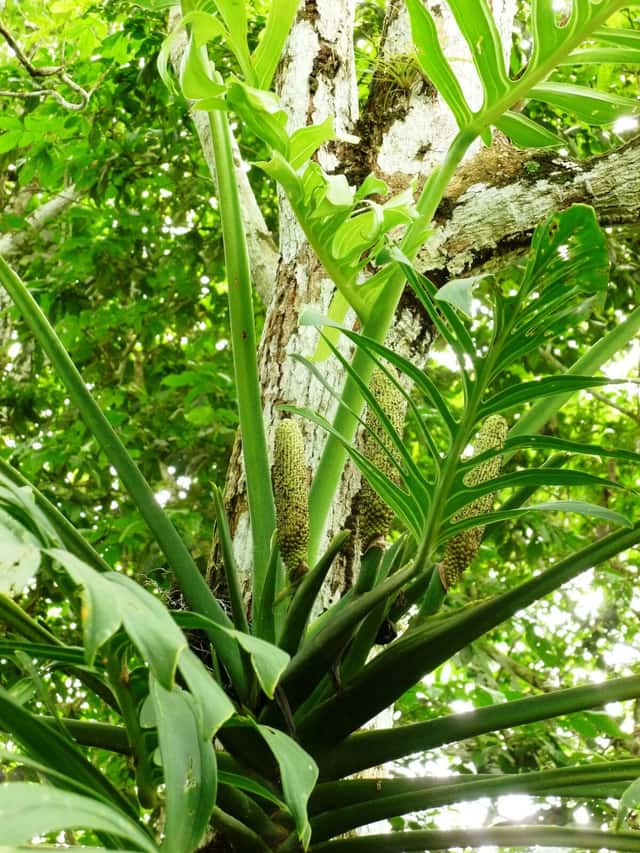
Monstera pinnatipartita is a tropical climbing aroid in the Araceae family, described by Schott in 1857 and native to Central America and northern South America, from Costa Rica to Colombia, Ecuador, Venezuela and Peru. In the forest it climbs tree trunks with aerial roots to more than 10 m, with leaves nearly 90 cm wide. Its appeal is how the leaves change with age: juvenile leaves are entire, oval and glossy green, while adult leaves split into deep, feather-like divisions from edge to midrib, with holes near the midrib. The leaves are less heart-shaped than those of Monstera deliciosa. Indoors it reaches 2 to 3 m when given a support to climb.
How to Propagate Monstera Pinnatipartita?
Stem cutting
Use clean, sharp shears and change the water weekly if rooting in water.
- 1 Cut a stem section with at least one node and an aerial root
- 2 Let the cut dry for a few hours
- 3 Place it in water, moist sphagnum moss or a light mix
- 4 Keep it warm and bright, out of direct sun
- 5 Pot it up once the roots are a few centimetres long
Materials needed:
Air layering
Keep the moss moist the whole time. The mother plant keeps feeding the new plant while it roots.
- 1 Choose a node with an aerial root on the stem
- 2 Wrap the node in moist sphagnum moss
- 3 Cover with plastic and tie at both ends
- 4 When roots show in the moss, cut below them and pot up
Materials needed:
How Big Does Monstera Pinnatipartita Grow?
TLDR: Monstera Pinnatipartita can reach up to 10.0m tall with Medium growth rate.
Max height
10.0m
Spread
1.0m
Growth rate
Medium
Foliage
Evergreen
Warning: Toxic Plant
This plant can be toxic if ingested. Keep out of reach of:
Plant Uses
Ornamental
Great for decoration
Is your plant showing symptoms?
Click on the symptom to discover possible causes:
What Diseases Commonly Affect Monstera Pinnatipartita?
TLDR: Monstera Pinnatipartita is susceptible to 4 known diseases. Monitor regularly for early detection.
Root Rot
Root rot is a serious fungal disease that affects the root system of plants, causing them to decay and die. It is primarily caused by overwatering, poor drainage, or soil-borne fungi such as Pythium, Phytophthora, Rhizoctonia, and Fusarium. The disease thrives in waterlogged conditions where roots are deprived of oxygen, making them susceptible to fungal infection.
Spider Mites
Spider mites are tiny arachnids (less than 1/20 inch long) related to spiders and ticks that feed on plant sap. They thrive in hot, dry conditions and can cause significant damage to ornamental and vegetable plants. During severe infestations, crop losses can reach 14% or higher as these pests disrupt vital plant processes including photosynthesis, carbon dioxide absorption, and transpiration.
Mealybugs
Mealybugs are small, soft-bodied insects covered with a white, waxy, cottony material. They are common pests of houseplants and outdoor plants in mild climates. These sap-sucking insects feed on plant tissue, causing damage, stunted growth, and can lead to plant death if left untreated. They produce sticky honeydew which attracts sooty mold.
Aphids
Aphids are small, soft-bodied, pear-shaped insects (1/16 to 1/8 inch long) that feed by sucking nutrient-rich sap from plants. They reproduce rapidly and can quickly weaken plants, causing distorted growth and transmitting plant viruses. Aphids come in various colors including green, black, red, yellow, brown, and gray. They secrete honeydew, a sticky substance that attracts ants and encourages sooty mold growth.
Fun Facts
Pinnatipartita means divided like a feather, after the adult leaves
In the wild it climbs tree trunks to more than 10 m
Juvenile and adult leaves look so different they could pass for two plants
Frequently asked questions
Why don't my Monstera pinnatipartita leaves have splits?
How often should I water Monstera pinnatipartita?
How is it different from Monstera deliciosa?
Is Monstera pinnatipartita toxic?
Compare with similar plants
| Attribute | Difficulty | Light | Watering | Pet Safe |
|---|---|---|---|---|
| Dark Fieldcap | Medium | Low light | 2d | ⚠️ |
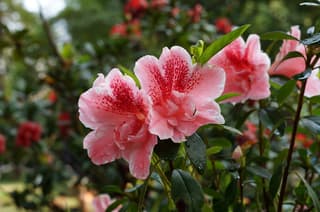
| Azalea | Medium | Partial shade | 3d | ⚠️ |
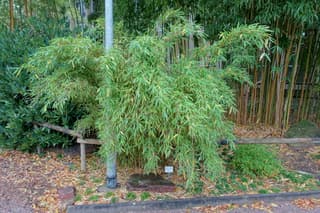
| Muriel's Bamboo | Medium | Partial shade | 3d | ✓ |
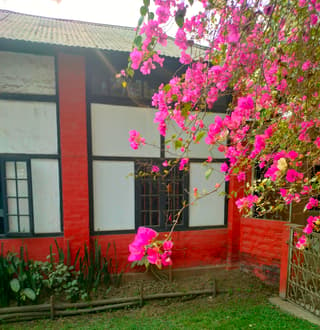
| Bougainvillea | Medium | Direct sun | 7d | ⚠️ |