2325 Easy Easy Care | 2026 Guide - Page 16
Find 2325 easy easy care. Complete guide for your garden.
2325 Easy Care with easy level
Showing 541-576 of 2325
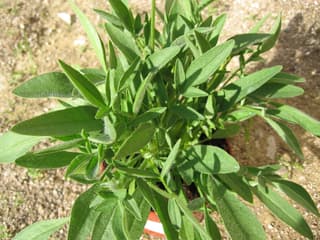
Large-flowered Tickseed
Coreopsis grandiflora
Coreopsis grandiflora, commonly known as Coreopsis or Tickseed, is a perennial plant native to North America, belonging to the Asteraceae family. Its radiant golden flowers bloom from late spring through summer, attracting pollinators such as bees and butterflies. It is an extremely hardy, drought-tolerant plant that is easy to grow.
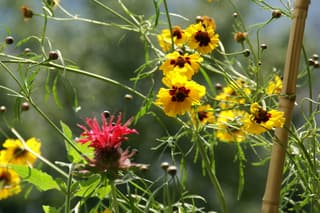
Plains Coreopsis
Coreopsis tinctoria
Plains Coreopsis (Coreopsis tinctoria) is a cheerful annual wildflower native to North America, producing masses of bright daisy-like flowers in yellow, red, burgundy, and gold from spring through fall. A staple of prairie meadows, it thrives in full sun with minimal care, making it a favorite for wildflower gardens and pollinator habitats.
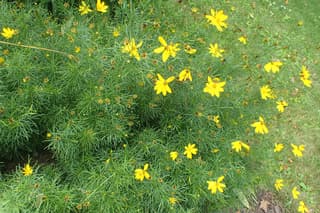
Threadleaf Coreopsis
Coreopsis verticillata
Threadleaf coreopsis is a bushy, drought-tolerant perennial prized for its fine, needle-like foliage arranged in whorls and its abundance of small, star-shaped, butter-yellow flowers. Native to the southeastern United States, it forms dense clumps 60-90 cm tall and wide, blooming profusely from late spring through fall. It is a low-maintenance garden staple, popular in borders, rock gardens, and pollinator plantings.
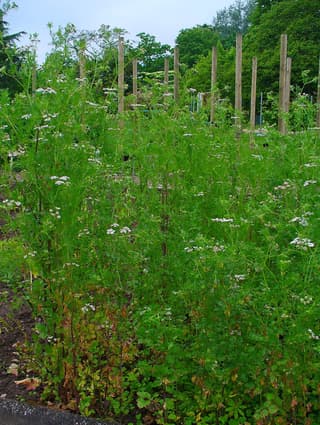
Coriander
Coriandrum sativum
Coriander (Coriandrum sativum) is a fast-growing annual herb from the Apiaceae family, native to the Mediterranean and Middle East. Both its fresh leaves (known as cilantro) and dried seeds are widely used in cuisines across the globe. The plant grows 30–60 cm tall and produces small white or pink flowers in spring and summer before setting seed.

Service tree
Cormus domestica
The service tree (Cormus domestica, syn. Sorbus domestica) is a deciduous fruit tree belonging to the rose family (Rosaceae), native to Southern and Central Europe as well as North Africa, and is widespread in Hungary. It is an exceptionally long-lived species that can grow up to 15 meters tall and live for centuries, though it typically only begins to bear fruit at a much older age, usually between 15-20 years. Following its white flowers that bloom in May, it ripens small, yellowish-red fruits resembling apples or pears; these are tart and tannic when raw but develop a sweet-tart flavor after bletting (softening).

Red-Barked Dogwood
Cornus alba
Cornus alba, commonly known as the Red-Barked Dogwood or Tatarian Dogwood, is a deciduous shrub native to Siberia and northeastern Asia. It is prized for its striking bright-red stems that provide vivid winter color when leaves have fallen. In spring, it produces flat-topped clusters of small creamy-white flowers, followed by white to bluish berries that attract birds. The dark green leaves develop beautiful reddish-purple tones in autumn, making this shrub a true four-season plant.
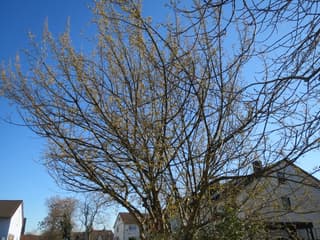
Cornelian Cherry
Cornus mas
Cornelian Cherry (Cornus mas) is a deciduous shrub or small tree native to southern Europe and western Asia, belonging to the family Cornaceae. One of the earliest plants to bloom, it produces clusters of small bright yellow flowers on bare branches in late winter or early spring before the leaves emerge. The glossy red, olive-shaped fruits ripen in late summer and are edible, traditionally used in jams, syrups, sauces, and liqueurs. The plant offers multi-season ornamental interest through its exfoliating bark and reddish autumn foliage.
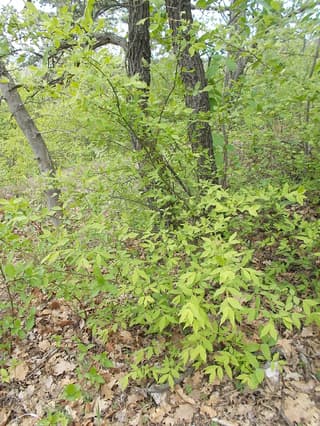
Common Dogwood
Cornus sanguinea
Common dogwood (Cornus sanguinea) is a hardy deciduous shrub native to Europe and western Asia, prized for its vivid red winter stems and adaptability. Clusters of small white flowers appear in late spring to summer, followed by black berries, with foliage turning red-purple in autumn.
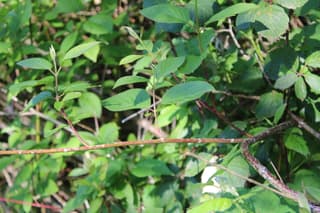
Red Osier Dogwood
Cornus sericea
The red osier dogwood is a fast-growing, multi-stemmed deciduous shrub native to much of North America, prized above all for its brilliant red winter stems. Small clusters of creamy white flowers appear in late spring, followed by white berries often tinged with blue that ripen in late summer and feed songbirds and small mammals. In fall the foliage turns shades of orange, red, and purple before dropping to reveal the shrub's fiery bark. It spreads by underground stolons and root suckers to form dense colonies, making it a popular choice for stream banks, rain gardens, and wet or boggy sites where few other shrubs thrive.
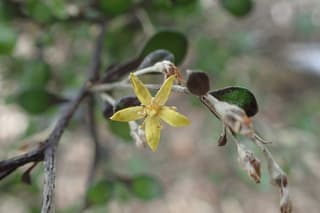
Wire-netting Bush
Corokia cotoneaster
Corokia cotoneaster, commonly known as the wire-netting bush or korokio, is a small evergreen shrub endemic to New Zealand. Prized for its distinctive divaricating growth habit — a dense tangle of wiry, interlacing branches — it produces small silver-grey, ovate leaves with felted undersides that shimmer in the breeze. In spring and summer, star-shaped yellow flowers appear along the branches, followed by ornamental red, orange, or yellow berries that persist into winter. Slow-growing and remarkably tough, it tolerates coastal exposure, wind, drought, and frost, making it a favorite for hedging, rock gardens, containers, and bonsai.
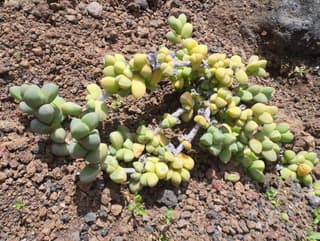
Ice Plant
Corpuscularia lehmannii
Corpuscularia lehmannii, popularly known as the Ice Plant or String of Buttons, is a compact, perennial succulent from the Aizoaceae family, native to the Western Cape region of South Africa. It forms small clusters of fleshy, cylindrical leaves that are slightly translucent at the tips, featuring a grayish-green to bluish hue that resembles grouped "fingers" or buttons. In late spring and early summer, it produces small yellow daisy-like flowers that open during the day under sunlight. It is a slow-to-moderate growing plant, highly drought-resistant and low-maintenance, making it ideal for rock gardens, shallow pots, and succulent arrangements.
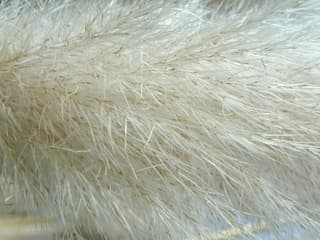
Pampas Grass
Cortaderia selloana
Pampas Grass (Cortaderia selloana) is a large, ornamental perennial grass native to the South American pampas. It forms impressive clumps of long, arching, razor-sharp leaves and produces spectacular feathery plumes in white, cream, or pink from summer through autumn, reaching up to 10 feet tall.
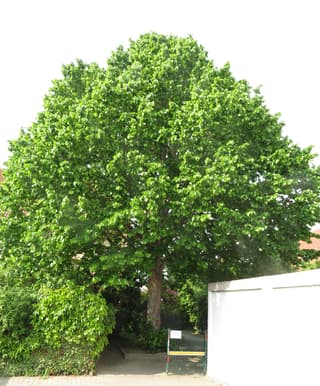
Common Hazel
Corylus avellana
Common Hazel (Corylus avellana) is a deciduous shrub or small tree native to Europe and Western Asia, from the British Isles to the Caucasus and Turkey. It typically reaches a height of 3–6 meters with a broad, multi-stemmed growth habit, forming dense thickets and hedgerows. The leaves are round to oval with doubly serrated margins and a characteristic rough texture; in autumn, they turn golden yellow. The female flowers are remarkably discreet – only the bright red stigmas are visible from the closed buds – while the male catkins hang in long, yellowish-green clusters and are a sure sign of early spring. The hazel is one of the earliest spring shrubs in the Northern European landscape. It flowers as early as January to April, before the leaves emerge, and is pollinated exclusively by wind. Its fruits are the well-known hazelnuts, which ripen in clusters with a cup-shaped involucre in September–October. The nuts are rich in fat (up to 60%), protein, and vitamin E, and have been an important food source for humans in Europe since the Stone Age. Hazel grows at forest edges, in hedgerows, scrublands, and along watercourses, and is a key species for biodiversity: its early pollen is crucial for bees, and it hosts the larvae of over 70 butterfly and moth species. The shrub is extremely hardy and adaptable; it thrives in almost all soil types, from sandy soil to clay, and from sea level to the mountains. It spreads naturally via suckers and can be effectively rejuvenated by coppicing – a traditional management method that both extends the shrub's lifespan and produces flexible, pliable wood suitable for weaving (hazel rods). In Denmark, hazel is a characteristic element of oak forests and scrublands throughout the country.
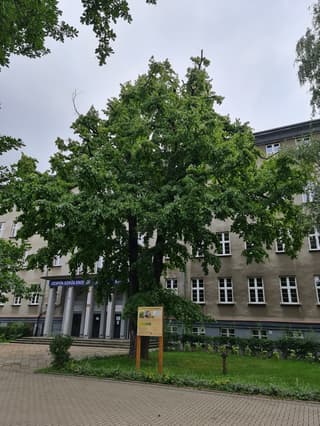
Turkish Hazel
Corylus colurna
Corylus colurna, the Turkish hazel, is a large deciduous tree native to southeastern Europe and Asia Minor. Recognized for its symmetrical pyramidal form and outstanding tolerance to urban conditions, heat, cold, and drought, it produces edible hazelnuts enclosed in distinctive hairy husks.
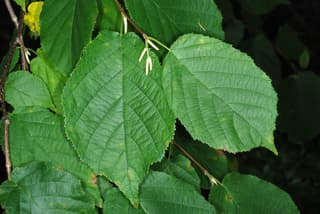
Giant Filbert
Corylus maxima
Corylus maxima, the giant filbert, is a vigorous deciduous shrub or small tree native to the Balkan Peninsula and parts of southeastern Europe and southwestern Asia. Closely related to the common hazel (Corylus avellana), it is distinguished by its edible nuts enclosed in a long, tubular husk that extends well beyond the shell. Grown both for its nut harvest and, in purple-leaved cultivars such as Purpurea, as an ornamental garden specimen, it produces striking pale yellow male catkins in late winter that are among the first signs of the growing season.
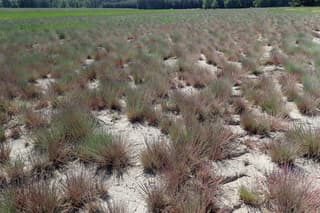
grey hair-grass
Corynephorus canescens
Grey hair-grass is a perennial, densely tufted grass from the Poaceae family, typically growing 15–30 cm tall. It has narrow, bristly, grey-green to silvery-blue leaves and produces delicate, silvery panicles with a purplish tint in June to July, whose awns have a characteristic club-like shape (hence the Czech name). It is a typical pioneer species of wind-blown sands and open sandy grasslands – in the Czech Republic, it grows scattered in warmer areas of central and northwestern Bohemia (Polabí region) and in South Moravia. It tolerates extreme drought, poor soil, and large temperature fluctuations, and is therefore valued as an undemanding ornamental grass for rock gardens, gravel beds, and containers.
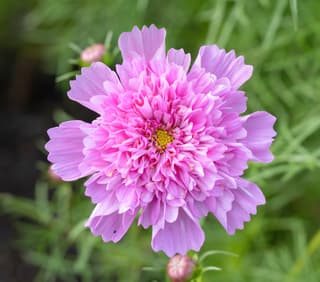
Garden Cosmos
Cosmos
Garden Cosmos (Cosmos spp.) is a fast-growing, sun-loving annual flower native to Mexico and the southwestern United States, prized for its airy, fern-like foliage and daisy-like blooms in shades of white, pink, purple, yellow and orange. The genus includes roughly 20-35 species, but almost all garden cultivation centers on Cosmos bipinnatus (pink, white and purple shades) and Cosmos sulphureus (yellow, orange and red shades). Cosmos thrives in poor, well-draining soil and full sun, blooming continuously from summer through fall with minimal care.

Garden cosmos
Cosmos bipinnatus
Cosmos bipinnatus, commonly known as Garden Cosmos, is a popular annual flowering plant native to Mexico. It is celebrated for its delicate, feathery foliage and large, daisy-like flowers that bloom in shades of pink, white, and purple. It is a resilient plant that thrives in sunny locations and is a favorite for pollinator gardens as it attracts bees and butterflies.
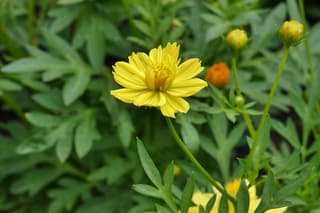
Sulfur Cosmos
Cosmos sulphureus
Cosmos sulphureus is a vibrant annual herbaceous plant native to Mexico and Central America. It is widely appreciated for its radiant flowers in shades of yellow, orange, and scarlet red, which stand out against finely cut, light green foliage. This species is extremely hardy, heat and drought-resistant, making it a popular choice for low-maintenance gardens and for attracting pollinators such as butterflies and bees.
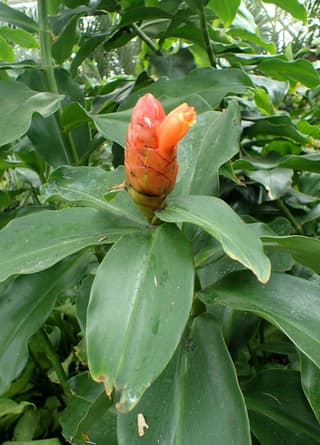
Spiral Ginger
Costus spiralis
Costus spiralis is a tropical plant in the Costaceae family, native to South America. It features distinctive spiral stems and tubular red or orange flowers. Popular in tropical gardens and used medicinally.
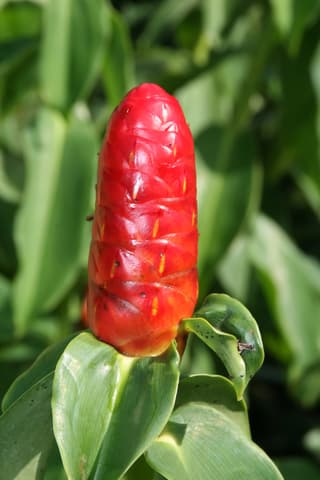
Red Button Ginger
Costus woodsonii
Costus woodsonii, commonly known as red button ginger or scarlet spiral-ginger, is a rhizomatous herbaceous perennial native to humid forests and coastal scrublands along the Caribbean coasts of Nicaragua, Costa Rica, and Panama to Colombia. It forms spiraling stems topped with glossy, overlapping bright red bracts from which small red-and-yellow tubular flowers emerge, blooming almost continuously in warm, humid climates. Popular as a tropical garden accent and container plant, it thrives in bright indirect light to partial sun and evenly moist, well-drained, organically rich soil.
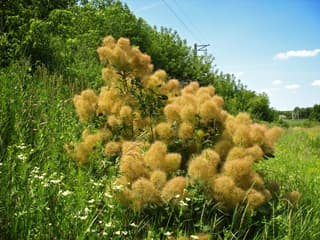
Smoke tree
Cotinus coggygria
Cotinus coggygria, commonly known as the smoke tree or smokebush, is a deciduous ornamental shrub in the Anacardiaceae family, native to dry mountainous areas of Central and Southern Europe and Asia. It is named for its distinctive, smoke-like inflorescences that decorate the plant from mid-summer to autumn with silvery-pink, feathery puffs. The leaves are round-ovate, blue-green in summer, and turn spectacular shades of yellow, red, or purple in autumn. It can reach a height of 4–5 meters with a similar spread. It particularly prefers well-drained soil and full sun, requiring low maintenance due to its drought tolerance.
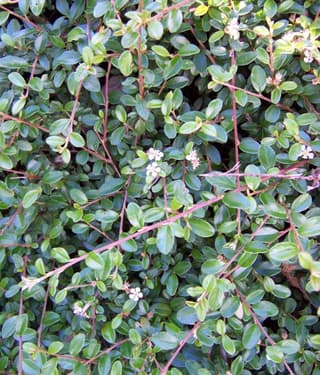
Cotoneaster
Cotoneaster
Cotoneaster is a large genus of flowering shrubs in the rose family (Rosaceae), native to the Palearctic region spanning temperate Asia, Europe, and North Africa. With over 300 species, it ranges from low-growing ground cover plants to upright shrubs reaching 5 m tall. Widely cultivated in gardens for year-round ornamental interest: delicate spring flowers, vibrant autumn foliage, and long-lasting decorative red berries in winter that attract birds and pollinators.
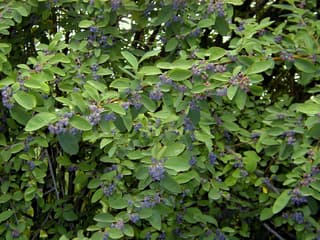
Peking Cotoneaster
Cotoneaster acutifolius
Peking cotoneaster is a hardy deciduous shrub native to Siberia, Mongolia, and China, valued for its dense upright habit, glossy dark green leaves, and clusters of small white flowers tinged with pink in late spring. Its dark red to black berries persist into winter, offering food for birds and ornamental interest in the landscape.
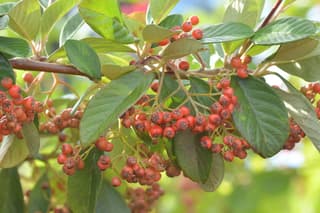
Late Cotoneaster
Cotoneaster coriaceus
Late cotoneaster (Cotoneaster coriaceus, widely sold under its synonym Cotoneaster lacteus) is a vigorous evergreen shrub native to the Chinese provinces of Guizhou, Sichuan, Xizang and Yunnan. It forms a dense, arching mound of leathery, glossy dark-green leaves with felted grey-white undersides, reaching 2.5-4 m in height and spread over 10-20 years. Clusters of small white flowers appear in late spring through summer, followed by long-lasting bright red berries that persist into winter and are a valuable food source for birds. It is a popular choice for informal hedges, screens and wildlife gardens thanks to its toughness and tolerance of poor soils, wind and coastal exposure.
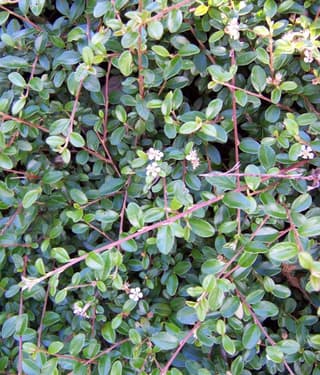
Rockspray Cotoneaster
Cotoneaster horizontalis
Cotoneaster horizontalis is a low-growing deciduous shrub native to western China, renowned for its distinctive fishbone (herringbone) branching pattern. It produces small pink-white flowers in spring, followed by brilliant scarlet berries in autumn that attract birds. Its dense, horizontal habit makes it excellent for ground cover, wall training, and rockery planting.
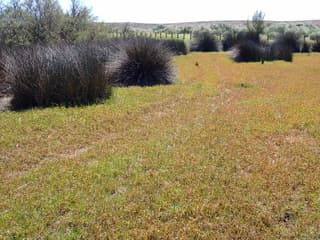
Brass Buttons
Cotula
Cotula is a genus of low-growing herbaceous plants, widely used as a groundcover. It forms a dense carpet of finely dissected, fern-like foliage and produces small, yellow, button-shaped flowers without visible petals, which gives it the common name Brass Buttons. It spreads rapidly via creeping stems.
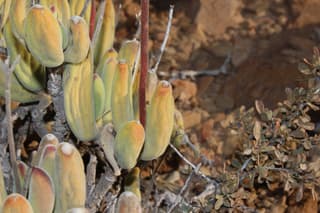
Bear's Paw
Cotyledon ladismithiensis
Cotyledon ladismithiensis, popularly known as Bear's Paw, is a compact shrubby succulent native to the Little Karoo region of South Africa, near Ladismith and Laingsburg. Its fleshy, fuzzy leaves end in reddish-toothed tips that resemble a bear cub's claws, giving rise to its common name. It is a slow-growing plant, widely cultivated as an ornamental indoor and outdoor succulent in mild climates, and belongs to the Crassulaceae family, known for species containing bufadienolides (toxic defense compounds).
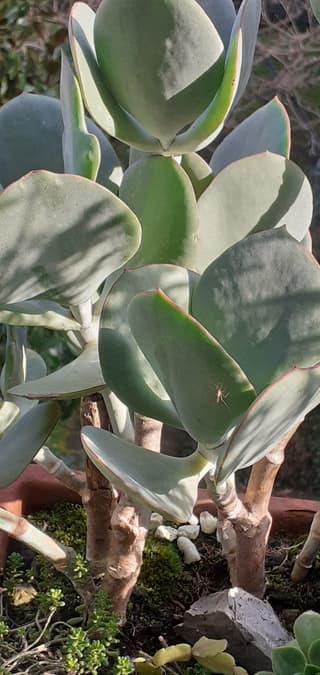
Pig's Ear
Cotyledon orbiculata
Cotyledon orbiculata, commonly known as Pig's Ear, is a robust succulent native to Southern Africa. It features distinctive rounded, silvery-white fleshy leaves often edged in red, and produces elegant orange to red tubular bell-shaped flowers on tall stems in late summer. A member of the Crassulaceae family, it is widely cultivated as an ornamental in gardens and as a houseplant.
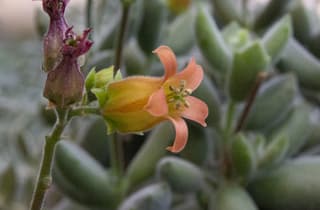
Bear's Paw
Cotyledon tomentosa
Cotyledon tomentosa, commonly known as Bear's Paw or Bear Paw Succulent, is a compact succulent native to South Africa in the Crassulaceae family. It is instantly recognizable by its thick, velvety green leaves with distinctive reddish, teeth-like projections along the edges that resemble a bear's paw - hence its common name. This popular houseplant is prized for its unique appearance, ease of care, and suitability for indoor cultivation.
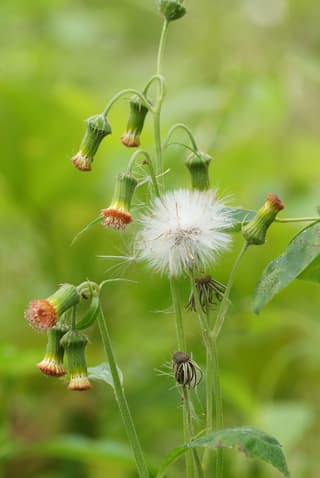
ebolo
Crassocephalum crepidioides
Ebolo (Crassocephalum crepidioides) is an upright, somewhat succulent, and sparsely branched annual herb from the Asteraceae family, native to tropical Africa and now widespread throughout tropical and subtropical regions of Asia and the Americas. It reaches between 1 and 1.2 m in height, with alternate, elliptical leaves and irregularly serrated edges, sometimes with reddish tones. It blooms from summer to fall with drooping orange-red to pinkish flower heads, and its seeds with pappus are dispersed by the wind. It is consumed as a leafy vegetable, but in some areas, it behaves as an invasive weed.
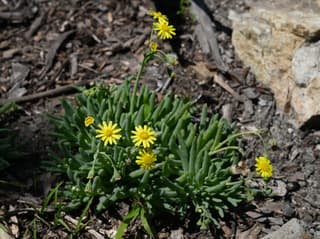
Little Pickles
Crassothonna capensis
Crassothonna capensis, commonly known as Little Pickles or Ruby Necklace, is a fast-growing trailing succulent native to the semi-arid Karoo scrub and rocky flats of the Eastern Cape Province, South Africa. It grows low to the ground with thin, reddish-purple stems bearing spirally arranged, finger-like, blue-green succulent leaves that flush to vivid ruby-red or maroon tones under intense sun or during dry stress. Small, cheerful yellow daisy-like flowers emerge on slender elongated stalks and can appear from spring through fall. It thrives in hanging baskets, rock gardens, and xeriscaping arrangements, making it a versatile and striking ornamental.
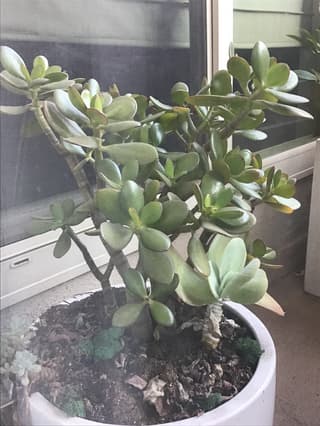
Crassula (genus)
Crassula
Crassula is a large genus of over 200 succulent species in the family Crassulaceae, native mainly to Southern Africa. Well-known species include C. ovata (jade plant), C. perforata (string of buttons), and C. capitella (red pagoda). They are slow-growing, drought-tolerant plants suited to both indoor and warm outdoor climates (zones 9–11).
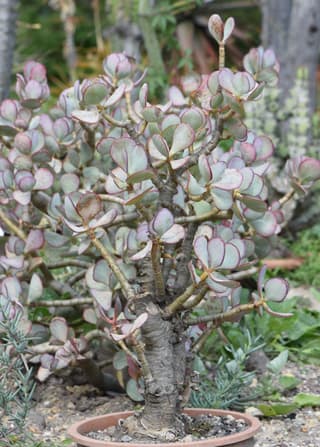
Silver Jade Plant
Crassula arborescens
Crassula arborescens, commonly known as the Silver Jade or Silver Dollar Plant, is a shrubby succulent native to the Western Cape of South Africa. Its rounded, blue-gray leaves with reddish edges provide a unique and sophisticated look. It grows slowly, reaching up to 120 cm in height, and produces small white or pink star-shaped flowers during spring and winter. It is an extremely hardy plant, perfect for both beginners and experienced growers.
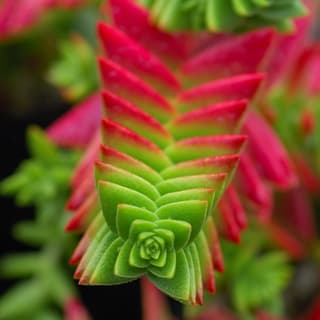
Campfire Crassula
Crassula capitella
Crassula capitella, commonly known as Campfire Crassula or Red Flames, is a low-growing succulent from the family Crassulaceae native to South Africa. It forms dense rosettes of propeller-shaped, fleshy leaves that are bright green at the base and turn vivid shades of orange, red, and scarlet when exposed to full sun or cooler temperatures. The dramatic color transformation makes it one of the most visually striking succulents for containers and garden borders. In summer it produces small clusters of white star-shaped flowers that attract bees and butterflies.
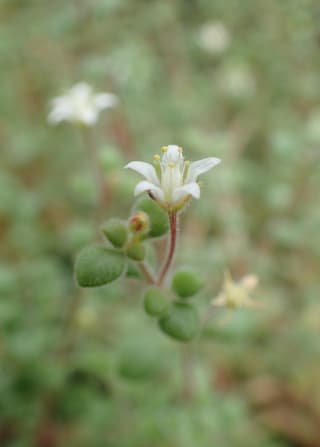
Fragile Crassula
Crassula expansa subsp. fragilis
Crassula expansa subsp. fragilis is a delicate, creeping succulent native to the rocky, humus-rich slopes of Southern Africa (South Africa, Mozambique, Zambia, Zimbabwe, Eswatini, Angola) and Madagascar, where it grows in partial shade at altitudes between 50 and 1800 m. It forms low mats of thin reddish-brown stems covered with tiny, fleshy light green leaves that can turn reddish under intense sunlight. In the wild, it blooms between November and January after the rains, producing small white tubular flowers, sometimes streaked with red, gathered in terminal clusters. The fragile stems root extremely easily upon contact with the soil, which gives the plant its common name.
Easy Care Easy Care
Our selection of 2325 easy easy care combines the characteristics of this category with reduced care needs. Perfect for beginners who love this category.
Why Choose Easy Easy Care?
Combining the beauty of easy care with easy difficulty level lets you enjoy this category without excessive maintenance worries. Each plant was selected to offer the best characteristics of the category at the care level you are looking for.