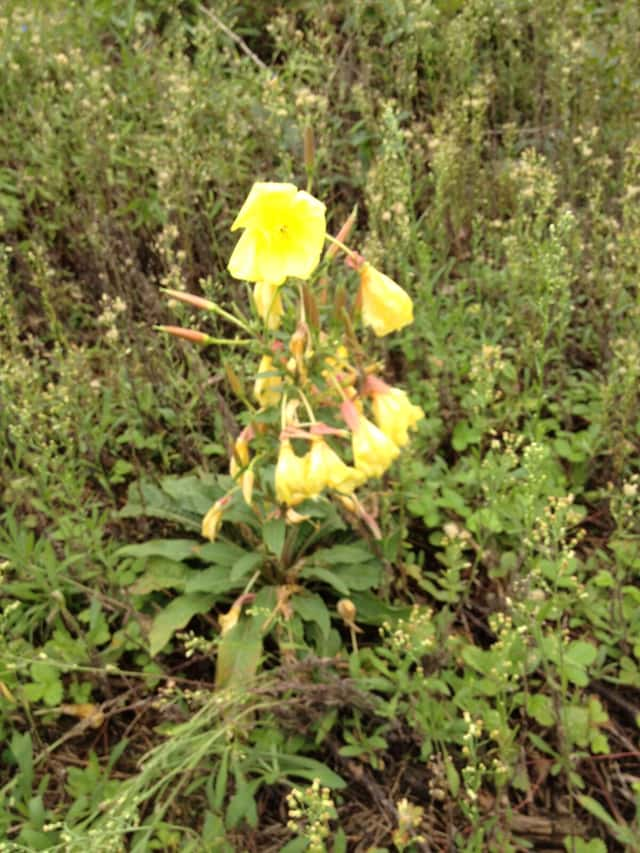
Onagraceae
Large-flowered Evening-primrose (Oenothera glazioviana)
Oenothera glazioviana
Tough and low-effort: full sun, poor free-draining soil, water only in drought. It lives two years and self-sows.
Every 7 days
Bright indirect
-20° - 35°C
% - %
Categories
What is Large-flowered Evening-primrose?
Large-flowered Evening-primrose (Oenothera glazioviana) is a easy-care plant from the Onagraceae family. Large-flowered evening-primrose is a biennial in the willowherb family that arose in 19th-century European gardens from a cross between two North American species. In its first year it makes a rosette of crinkled leaves at ground level; in the second it sends up a stem to 1.5 m with large yellow flo...
Large-flowered Evening-primrose grows up to 1.5m, spread of 50cm, watering every 7 days, -20°C – 35°C. It is not suitable for indoor environments and safe for pets.
Unlike many tropical plants, Large-flowered Evening-primrose tolerates watering mistakes. Best for beginners. Unlike many popular species, Large-flowered Evening-primrose is safe to keep around pets.
How to Care for Large-flowered Evening-primrose?
TLDR: Large-flowered Evening-primrose needs Bright indirect, watering every 7 days, and temperatures between -20-35°C with 40-70% humidity.
How Often Should You Water Large-flowered Evening-primrose?
Water once a week in the first year and only during long dry spells once established. Soggy soil rots the root.
How Much Light Does Large-flowered Evening-primrose Need?
Full sun all day. In shade the stem stretches, flops and flowers poorly.
What Is the Best Soil for Large-flowered Evening-primrose?
Sandy or stony soil, poor to moderately fertile, that drains well. In heavy soil, mix in coarse sand and compost at planting.
What Pot Should You Use for Large-flowered Evening-primrose?
Best in the ground. In a pot, use one at least 30 cm deep for the taproot, with a drainage hole and sandy mix.
What Is Large-flowered Evening-primrose and Where Does It Come From?
Large-flowered evening-primrose is a biennial in the willowherb family that arose in 19th-century European gardens from a cross between two North American species. In its first year it makes a rosette of crinkled leaves at ground level; in the second it sends up a stem to 1.5 m with large yellow flowers, petals up to 5 cm, that open in the late afternoon and turn orange as they fade. The buds have red sepals. It escaped from gardens and now grows wild on sandy ground, roadsides and dunes in many countries.
How to Propagate Large-flowered Evening-primrose?
Seed
It self-sows freely. Cut the dry stems before they drop seed if you do not want seedlings everywhere.
- 1 Sow in early summer, in place or in trays
- 2 Press the seed onto the soil surface and barely cover it, as it needs light
- 3 Keep moist until seedlings appear
- 4 Space plants 25 cm apart: they form a rosette the first year and flower the second
Materials needed:
How Big Does Large-flowered Evening-primrose Grow?
TLDR: Large-flowered Evening-primrose can reach up to 1.5m tall with Fast growth rate.
Max height
1.5m
Spread
50cm
Growth rate
Fast
Plant Uses
Ornamental
Great for decoration
Is your plant showing symptoms?
Click on the symptom to discover possible causes:
What Diseases Commonly Affect Large-flowered Evening-primrose?
TLDR: Large-flowered Evening-primrose is susceptible to 5 known diseases. Monitor regularly for early detection.
Powdery Mildew
Powdery mildew is a common fungal disease caused by various fungi species including Erysiphe, Podosphaera, Oïdium, and Leveillula. It affects over 10,000 plant species worldwide. The disease thrives in warm, dry climates with high humidity and appears as a distinctive white powdery coating on plant surfaces.
Downy Mildew
Downy mildew is a fungal-like disease caused by oomycetes (water molds) that thrives in cool, wet conditions. It affects a wide range of plants, causing yellowing leaves with fuzzy white-gray growth underneath, leading to defoliation and reduced yields if left untreated.
Root Rot
Root rot is a serious fungal disease that affects the root system of plants, causing them to decay and die. It is primarily caused by overwatering, poor drainage, or soil-borne fungi such as Pythium, Phytophthora, Rhizoctonia, and Fusarium. The disease thrives in waterlogged conditions where roots are deprived of oxygen, making them susceptible to fungal infection.
Leaf Spot
Leaf spot is a common fungal disease caused by various pathogens including Alternaria, Ascochyta, Colletotrichum, Septoria, and Venturia. It primarily affects leaves, causing discolored spots that can lead to premature leaf drop if left untreated.
Fun Facts
Hugo de Vries built his mutation theory around 1900 on this plant, then called Oenothera lamarckiana
It is the most common evening-primrose in Britain, where it arrived as a garden plant
The flowers turn orange, then reddish, as they fade
Frequently asked questions
Why did my evening-primrose only make leaves the first year?
Do the flowers open at night?
Can it become a weed?
Compare with similar plants
| Attribute | Difficulty | Light | Watering | Pet Safe |
|---|---|---|---|---|
| Field Maple | Easy | Bright indirect | 14d | ✓ |
| Iberian Houseleek | Easy | Direct sun | 14d | ✓ |
| Silver Birch | Easy | Direct sun | 14d | ✓ |
| Common Blanketflower | Easy | Direct sun | 10d | ✓ |





