Oxalidaceae
Iron Cross Oxalis
Oxalis tetraphylla
An easy-care plant that thrives in bright indirect light with moderate watering and well-draining soil. It enters winter dormancy — reduce watering significantly during this rest period.
Every 4 days
Bright indirect
10° - 25°C
40% - 60%
Categories
What is Iron Cross Oxalis?
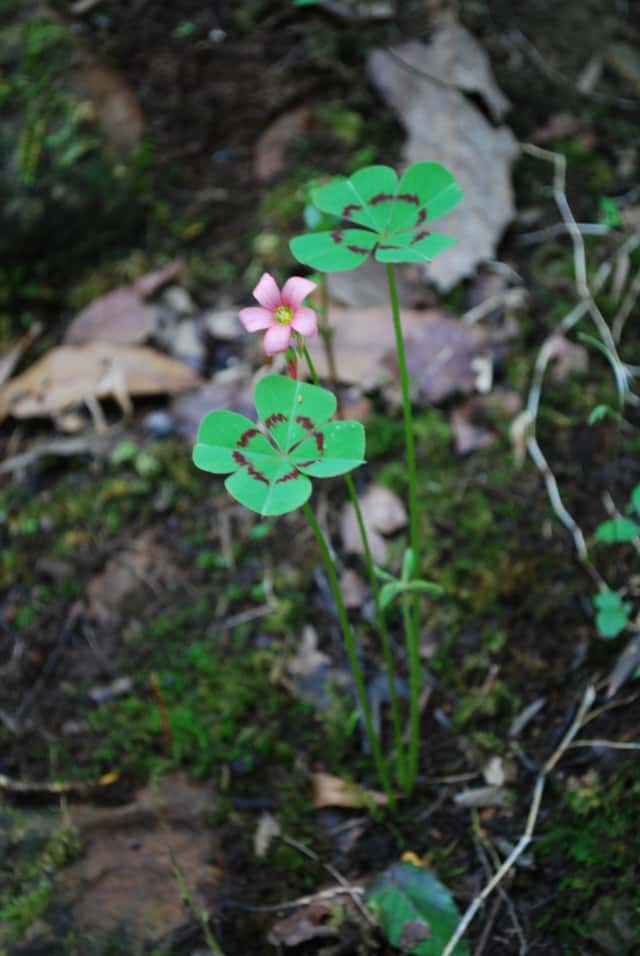
Iron Cross Oxalis (Oxalis tetraphylla) is a easy-care plant from the Oxalidaceae family. Iron Cross Oxalis (Oxalis tetraphylla) is a perennial bulbous plant native to central Mexico, prized for its distinctive four-lobed leaves adorned with deep burgundy markings at the center that form a striking iron cross pattern. It produces cheerful pink to rose-red flowers in spring and summer, go...
Iron Cross Oxalis grows up to 25cm, spread of 30cm, watering every 4 days, 10°C – 25°C, 40–60% humidity. It is suitable for indoor environments and not safe for pets.
Unlike many tropical plants, Iron Cross Oxalis tolerates watering mistakes. Best for beginners. Without precautions, ingestion can cause irritation in pets. Keep out of reach of cats and dogs. Without adequate drainage, root rot can develop within 8 days.
How to Care for Iron Cross Oxalis?
TLDR: Iron Cross Oxalis needs Bright indirect, watering every 4 days, and temperatures between 10-25°C with 40-60% humidity.
How Often Should You Water Iron Cross Oxalis?
Water every 3-5 days when the top inch of soil is dry in the growing season. Reduce watering drastically in winter during dormancy to prevent root rot.
How Much Light Does Iron Cross Oxalis Need?
Place near a bright window with indirect light. Some gentle morning sun is tolerated, but avoid harsh afternoon direct sunlight which can scorch the delicate leaves.
What Is the Best Soil for Iron Cross Oxalis?
Use a light, well-draining potting mix — combine standard potting soil with perlite (3:1 ratio). Good drainage is essential to prevent bulb rot.
What Pot Should You Use for Iron Cross Oxalis?
Terracotta or clay pot with drainage holes. Avoid oversized pots that retain too much moisture around the bulbs.
Care Schedule
Fertilize
Every 21 days
Repot
Every 730 days
What Is Iron Cross Oxalis and Where Does It Come From?
Iron Cross Oxalis (Oxalis tetraphylla) is a perennial bulbous plant native to central Mexico, prized for its distinctive four-lobed leaves adorned with deep burgundy markings at the center that form a striking iron cross pattern. It produces cheerful pink to rose-red flowers in spring and summer, going dormant in winter.
How Big Does Iron Cross Oxalis Grow?
TLDR: Iron Cross Oxalis can reach up to 25cm tall with Medium growth rate.
Max height
25cm
Spread
30cm
Growth rate
Medium
Foliage
Deciduous
Warning: Toxic Plant
This plant can be toxic if ingested. Keep out of reach of:
Plant Uses
Ornamental
Great for decoration
Edible
Can be consumed
Medicinal
Medicinal properties
Medicinal Uses
- Traditional use in Mexican folk medicine as a diuretic and for fever management (external and moderate use only)
Culinary Uses
- Young leaves have a pleasant lemony-sour flavor and can be used sparingly in salads; avoid excess consumption due to oxalic acid content
Is your plant showing symptoms?
Click on the symptom to discover possible causes:
What Diseases Commonly Affect Iron Cross Oxalis?
TLDR: Iron Cross Oxalis is susceptible to 6 known diseases. Monitor regularly for early detection.
Root Rot
Root rot is a serious fungal disease that affects the root system of plants, causing them to decay and die. It is primarily caused by overwatering, poor drainage, or soil-borne fungi such as Pythium, Phytophthora, Rhizoctonia, and Fusarium. The disease thrives in waterlogged conditions where roots are deprived of oxygen, making them susceptible to fungal infection.
Powdery Mildew
Powdery mildew is a common fungal disease caused by various fungi species including Erysiphe, Podosphaera, Oïdium, and Leveillula. It affects over 10,000 plant species worldwide. The disease thrives in warm, dry climates with high humidity and appears as a distinctive white powdery coating on plant surfaces.
Leaf Spot
Leaf spot is a common fungal disease caused by various pathogens including Alternaria, Ascochyta, Colletotrichum, Septoria, and Venturia. It primarily affects leaves, causing discolored spots that can lead to premature leaf drop if left untreated.
Aphids
Aphids are small, soft-bodied, pear-shaped insects (1/16 to 1/8 inch long) that feed by sucking nutrient-rich sap from plants. They reproduce rapidly and can quickly weaken plants, causing distorted growth and transmitting plant viruses. Aphids come in various colors including green, black, red, yellow, brown, and gray. They secrete honeydew, a sticky substance that attracts ants and encourages sooty mold growth.
Meaning & Symbolism
A symbol of good luck and new beginnings. Its four-lobed leaves resemble a four-leaf clover, making it a traditional gift for celebrations, new ventures, and well-wishes.
Fun Facts
Oxalis tetraphylla leaves fold up at night and on cloudy days — a movement called nyctinasty, triggered by changes in light and temperature.
The species is also known as Oxalis deppei, named after German botanist Ferdinand Deppe who collected specimens in Mexico.
The small bulblets of Oxalis tetraphylla are edible and have been consumed in Mexican cuisine for centuries.
Frequently asked questions
Is Iron Cross Oxalis toxic to cats and dogs?
Why do the leaves fold at night?
What should I do when my Oxalis goes dormant?
Compare with similar plants
| Attribute | Difficulty | Light | Watering | Pet Safe |
|---|---|---|---|---|
| Field Maple | Easy | Bright indirect | 14d | ✓ |
| Silver Birch | Easy | Direct sun | 14d | ✓ |
| Common Blanketflower | Easy | Direct sun | 10d | ✓ |
| Cushion Bush | Easy | Direct sun | 14d | ✓ |





