Bloom
🌿

500 Best Pet Safe for Zweiflingen | 2026 Guide - Page 9

The 500 best pet safe to grow in Zweiflingen. Ideal climate: 11.5°C, 75.6% humidity.

🌡️ 11.5°C
💧 75.6%

500 Pet Safe for Zweiflingen

Showing 289-324 of 500
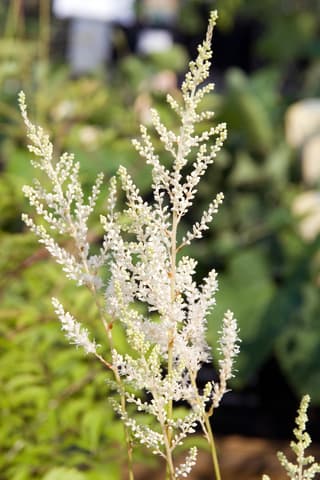
Japanese Astilbe
289
★ 84%

Japanese Astilbe

Astilbe japonica

Easy 💧 7 days 🌡️ 4°C - 21°C
Montpellier maple
290
★ 84%

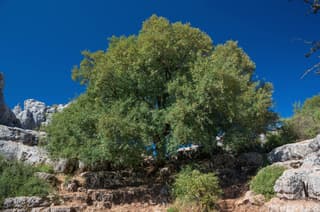
Montpellier maple

Acer monspessulanum
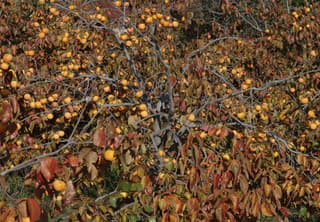
Easy 💧 10 days 🌡️ -15°C - 38°C
Japanese Persimmon
291
★ 84%

Japanese Persimmon

Diospyros kaki

Medium 💧 14 days 🌡️ -12°C - 38°C
Wild Carrot
292
★ 84%

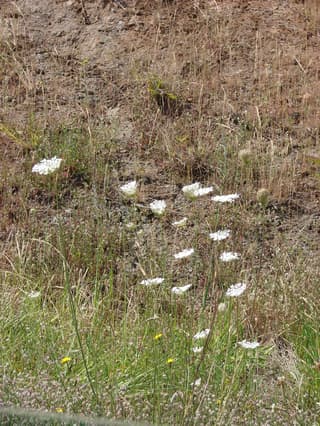
Wild Carrot

Daucus

Easy 💧 7 days 🌡️ -15°C - 35°C
Mallow
293
★ 84%

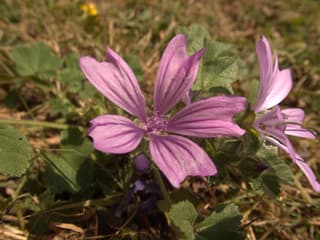
Mallow

Malva

Easy 💧 7 days 🌡️ -15°C - 35°C
Smooth-bark Mexican Pine
294
★ 84%

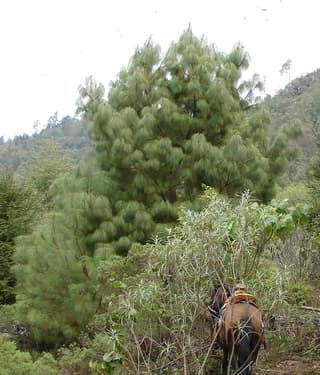
Smooth-bark Mexican Pine

Pinus pseudostrobus
Easy 💧 14 days 🌡️ -9°C - 35°C
Plane Tree
295
★ 84%

Plane Tree

Platanus

Easy 💧 14 days 🌡️ -20°C - 40°C
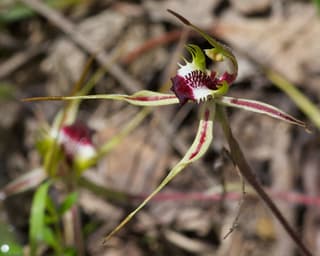
Small Spider-orchid
296
★ 84%

Small Spider-orchid

Caladenia parva

Hard 💧 10 days 🌡️ 15°C - 25°C
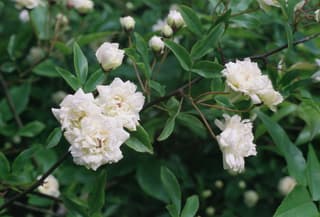
Lady Banks' Rose
297
★ 84%

Lady Banks' Rose

Rosa banksiae

Medium 💧 7 days 🌡️ -10°C - 38°C
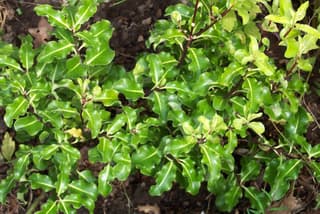
Kohuhu
298
★ 84%

Kohuhu

Pittosporum tenuifolium

Easy 💧 14 days 🌡️ -9°C - 32°C
Chinese Fringe Flower
299
★ 84%

Chinese Fringe Flower

Loropetalum chinense
Easy 💧 7 days 🌡️ -15°C - 35°C
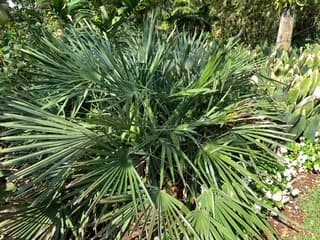
Needle Palm
300
★ 84%

Needle Palm

Rhapidophyllum hystrix

Medium 💧 10 days 🌡️ -20°C - 38°C
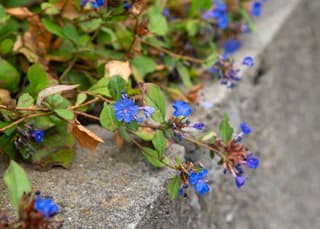
Hardy Plumbago
301
★ 84%

Hardy Plumbago

Ceratostigma plumbaginoides
Easy 💧 10 days 🌡️ -15°C - 35°C
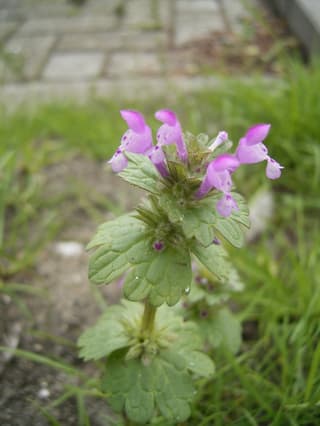
Henbit Dead-nettle
302
★ 84%

Henbit Dead-nettle

Lamium amplexicaule

Easy 💧 7 days 🌡️ -10°C - 32°C
Common Water-plantain
303
★ 84%

Common Water-plantain

Alisma plantago-aquatica
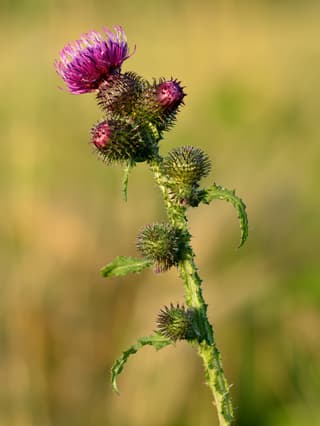
Easy 💧 1 days 🌡️ -15°C - 27°C
Thistle
304
★ 84%

Thistle

Carduus

Easy 💧 10 days 🌡️ -10°C - 35°C
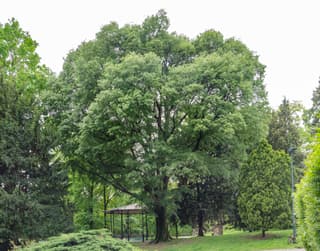
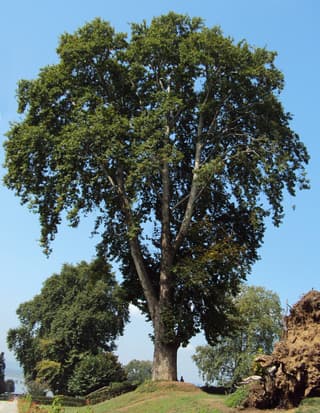
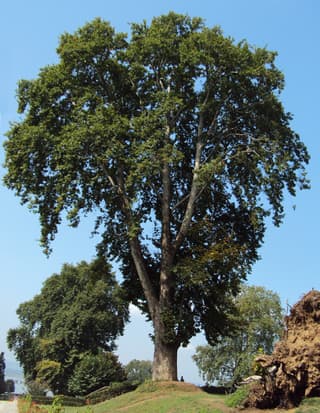
European Nettle Tree
305
★ 84%

European Nettle Tree

Celtis australis
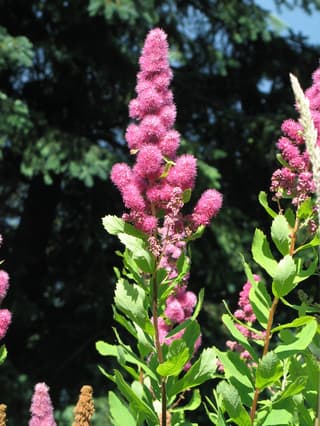
Easy 💧 14 days 🌡️ -15°C - 40°C
Douglas Spirea
306
★ 84%

Douglas Spirea

Spiraea douglasii

Easy 💧 3 days 🌡️ -10°C - 29°C
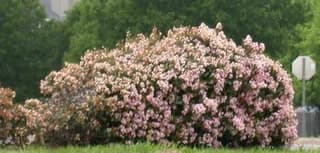
Indian Hawthorn
307
★ 84%

Indian Hawthorn

Rhaphiolepis indica

Easy 💧 10 days 🌡️ -9°C - 35°C
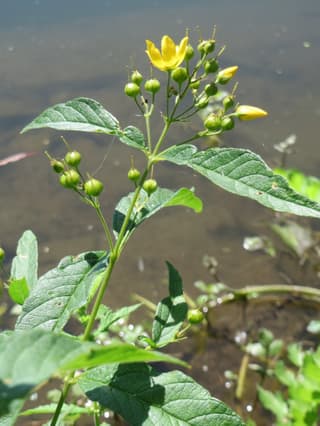
Loosestrife
308
★ 84%

Loosestrife

Lysimachia

Easy 💧 4 days 🌡️ -10°C - 30°C
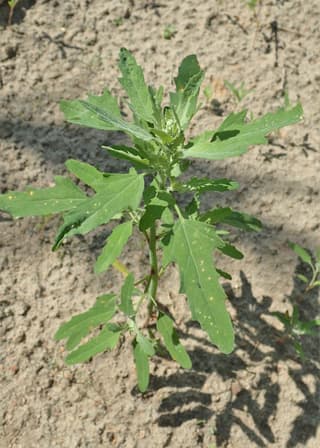
Fig-leaved Goosefoot
309
★ 84%

Fig-leaved Goosefoot

Chenopodium ficifolium
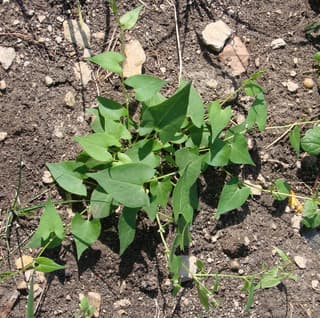
Easy 💧 4 days 🌡️ -10°C - 35°C
Black bindweed
310
★ 84%

Black bindweed

Fallopia convolvulus

Easy 💧 10 days 🌡️ -10°C - 35°C
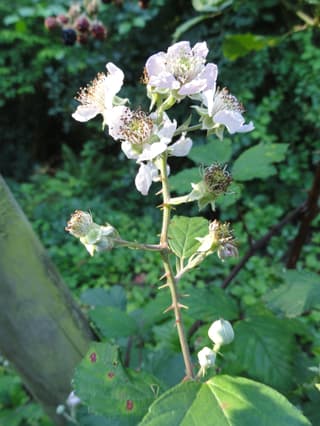
Himalayan Blackberry
311
★ 84%

Himalayan Blackberry

Rubus bifrons

Easy 💧 7 days 🌡️ -15°C - 35°C
🌿
312
★ 84%

Cast Iron Plant

Aspidistra lurida

Easy 💧 14 days 🌡️ -5°C - 30°C
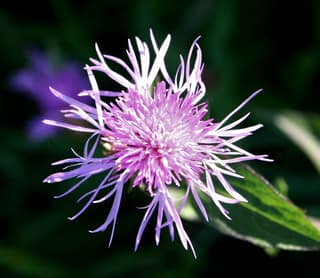
Tyrol Knapweed
313
★ 84%

Tyrol Knapweed

Centaurea nigrescens

Easy 💧 10 days 🌡️ -10°C - 35°C
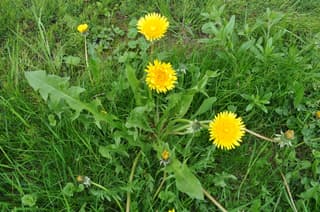
Dandelion
314
★ 84%

Dandelion

Taraxacum

Easy 💧 5 days 🌡️ -5°C - 32°C
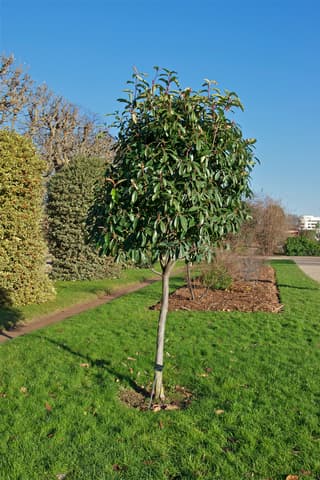
Chinese Photinia
315
★ 84%

Chinese Photinia

Photinia serratifolia
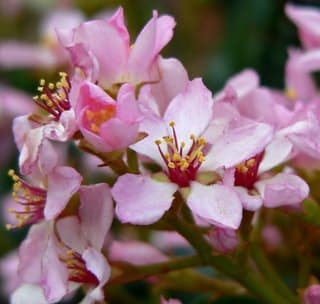
Easy 💧 14 days 🌡️ -15°C - 38°C
Indian Hawthorn
316
★ 84%

Indian Hawthorn

Rhaphiolepis

Easy 💧 14 days 🌡️ -12°C - 35°C
Mexican Cypress
317
★ 84%

Mexican Cypress

Cupressus lusitanica

Easy 💧 14 days 🌡️ 12°C - 30°C
Oriental Plane
318
★ 84%

Oriental Plane

Platanus orientalis

Easy 💧 10 days 🌡️ -15°C - 40°C
🌿
319
★ 84%

Rooting Shank

Hymenopellis radicata

Medium 💧 2 days 🌡️ 12°C - 25°C
Southern Catalpa
320
★ 84%

Southern Catalpa

Catalpa bignonioides

Easy 💧 7 days 🌡️ -20°C - 38°C
Arugula
321
★ 84%

Arugula

Eruca vesicaria

Easy 💧 2 days 🌡️ -1°C - 27°C
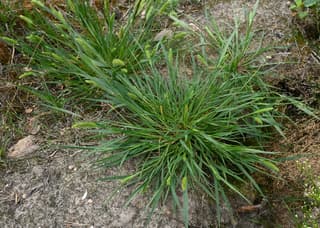
Green Foxtail
322
★ 84%

Green Foxtail

Setaria viridis

Easy 💧 7 days 🌡️ -10°C - 35°C
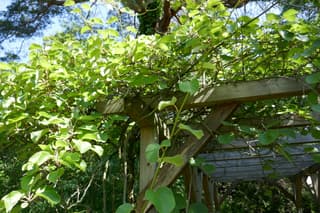
Golden Kiwifruit
323
★ 84%

Golden Kiwifruit

Actinidia chinensis

Medium 💧 4 days 🌡️ -10°C - 35°C
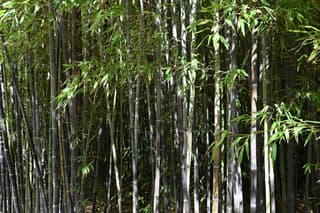
Black bamboo
324
★ 84%

Black bamboo

Phyllostachys nigra

Medium 💧 7 days 🌡️ -15°C - 35°C

Ideal Pet Safe for Zweiflingen's Climate

Zweiflingen has an average temperature of 11.5°C and humidity of 75.6%, conditions that directly influence which pet safe best adapt to the local environment.

How to Grow Pet Safe in Zweiflingen

To successfully grow pet safe in Zweiflingen, consider that the average temperature of 11.5°C and humidity of 75.6% create a specific microclimate. High humidity favors tropical species, but requires attention to ventilation to prevent fungal issues.

Advantages of Choosing Adapted Pet Safe

Pet Safe adapted to Zweiflingen's climate show greater resistance, healthy growth, and less need for interventions.