Bloom
🌿

500 Best Pet Safe for Tabaporã | 2026 Guide - Page 9

The 500 best pet safe to grow in Tabaporã. Ideal climate: 25.4°C, 75% humidity.

🌡️ 25.4°C
💧 75%

500 Pet Safe for Tabaporã

Showing 289-324 of 500
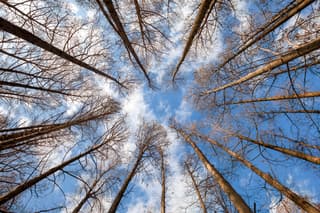
Dawn Redwood
289
★ 95%

Dawn Redwood

Metasequoia glyptostroboides
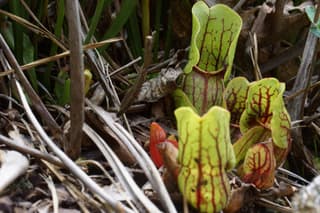
Easy 💧 7 days 🌡️ -30°C - 35°C
Purple Pitcher Plant
290
★ 95%

Purple Pitcher Plant

Sarracenia purpurea
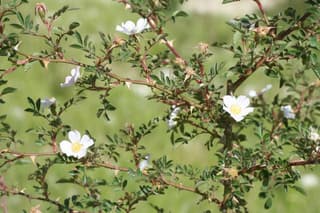
Medium 💧 2 days 🌡️ -15°C - 35°C
Small-leaved Sweet-briar
291
★ 95%

Small-leaved Sweet-briar

Rosa agrestis
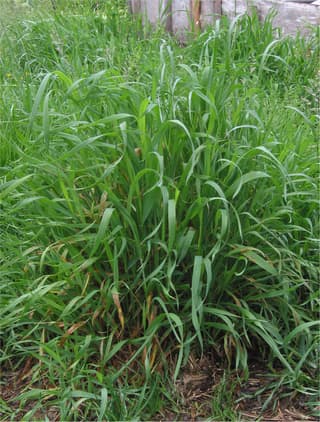
Easy 💧 10 days 🌡️ -20°C - 35°C
Quackgrass
292
★ 95%

Quackgrass

Elymus repens

Easy 💧 14 days 🌡️ -30°C - 35°C
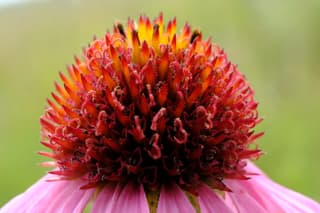
Narrow-leaf Coneflower
293
★ 95%

Narrow-leaf Coneflower

Echinacea angustifolia
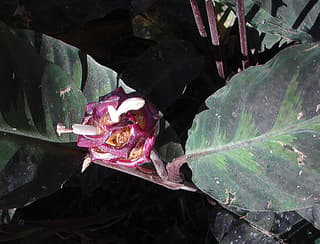
Easy 💧 7 days 🌡️ -34°C - 35°C
Jungle Velvet Calathea
294
★ 95%

Jungle Velvet Calathea

Goeppertia warszewiczii
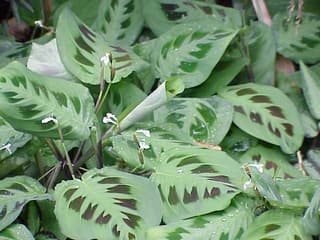
Medium 💧 7 days 🌡️ 18°C - 27°C
Prayer Plant
295
★ 95%

Prayer Plant

Maranta leuconeura

Medium 💧 3 days 🌡️ 15°C - 27°C
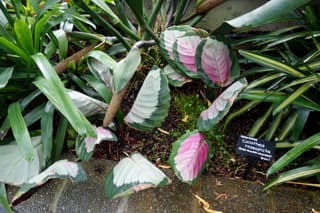
Rose Painted Calathea
296
★ 95%

Rose Painted Calathea

Calathea roseopicta
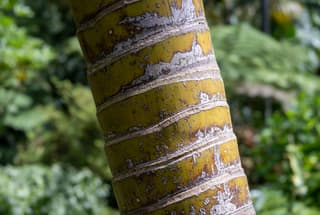
Medium 💧 5 days 🌡️ 18°C - 27°C
Areca Palm
297
★ 95%

Areca Palm

Dypsis lutescens

Medium 💧 5 days 🌡️ 15°C - 27°C
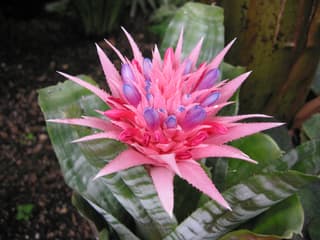
Urn Plant
298
★ 95%

Urn Plant

Aechmea fasciata

Easy 💧 10 days 🌡️ 15°C - 27°C
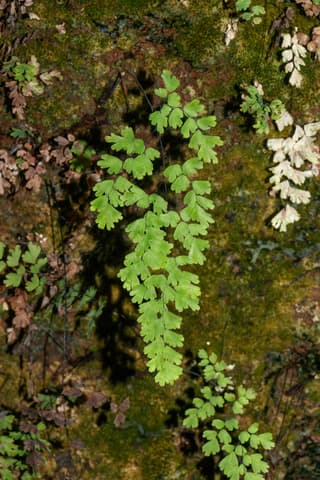
Maidenhair Fern
299
★ 95%

Maidenhair Fern

Adiantum capillus-veneris
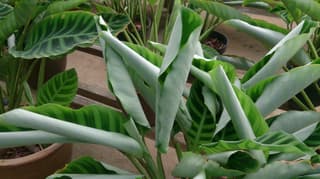
Hard 💧 5 days 🌡️ 15°C - 27°C
Zebra Plant
300
★ 95%

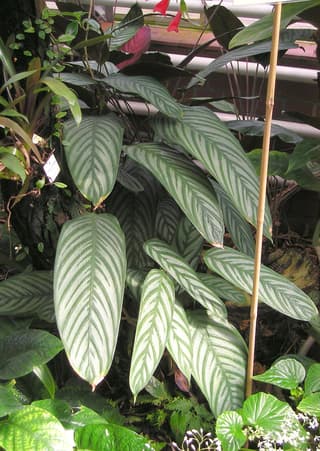
Zebra Plant

Calathea zebrina

Medium 💧 7 days 🌡️ 16°C - 27°C
Goldfish plant
301
★ 95%

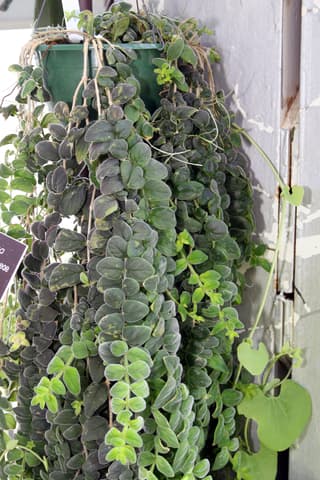
Goldfish plant

Columnea microcalyx

Medium 💧 4 days 🌡️ 15°C - 27°C
Earth Star
302
★ 95%

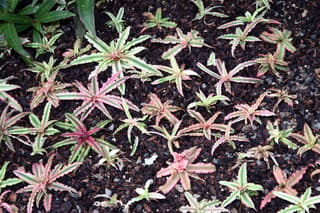
Earth Star

Cryptanthus bivittatus

Easy 💧 7 days 🌡️ 15°C - 27°C
Polka Dot Plant
303
★ 95%

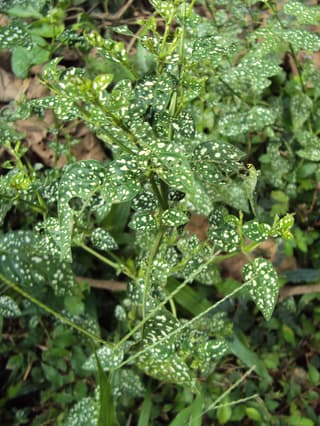
Polka Dot Plant

Hypoestes phyllostachya
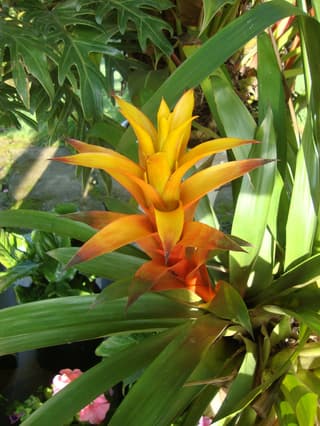
Easy 💧 4 days 🌡️ 16°C - 27°C
Scarlet Star
304
★ 95%

Scarlet Star

Guzmania lingulata

Easy 💧 4 days 🌡️ 16°C - 27°C
Shrimp Plant
305
★ 95%

Shrimp Plant

Justicia brandegeeana

Easy 💧 5 days 🌡️ 10°C - 29°C
Rose Grape
306
★ 95%

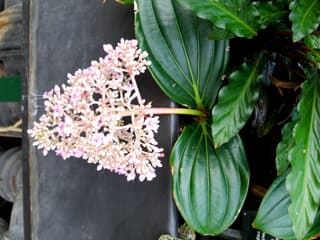
Rose Grape

Medinilla magnifica

Hard 💧 7 days 🌡️ 15°C - 27°C
Aluminum Plant
307
★ 95%

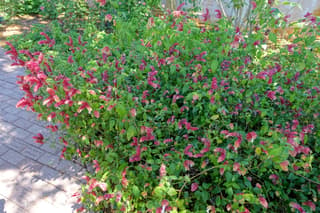
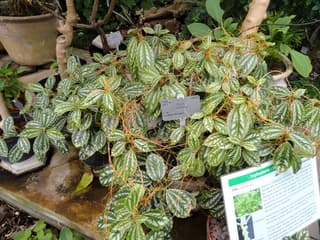
Aluminum Plant

Pilea cadierei

Easy 💧 7 days 🌡️ 15°C - 27°C
Burdock
308
★ 95%

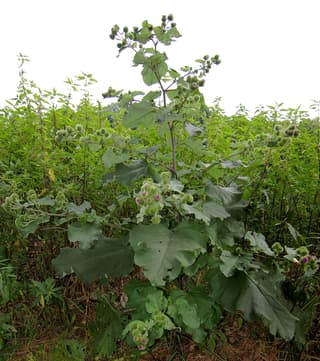
Burdock

Arctium lappa

Medium 💧 9 days 🌡️ 5°C - 30°C
Palm Grass
309
★ 95%

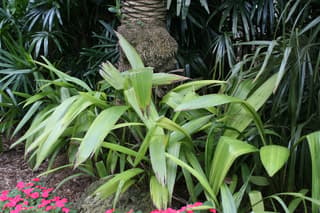
Palm Grass

Curculigo capitulata

Easy 💧 7 days 🌡️ 10°C - 28°C
Grey Star
310
★ 95%

Grey Star

Ctenanthe setosa

Medium 💧 7 days 🌡️ 15°C - 27°C
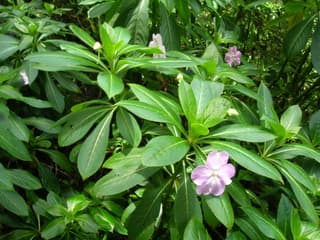
New Guinea Impatiens
311
★ 95%

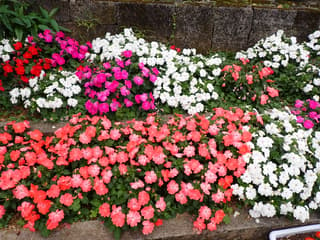
New Guinea Impatiens

Impatiens hawkeri
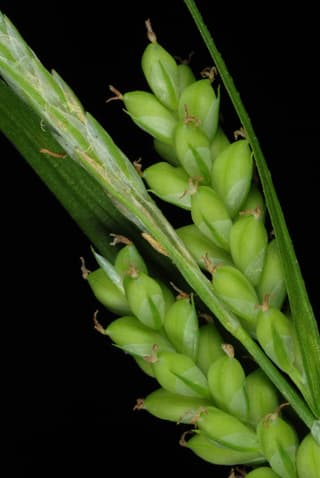
Easy 💧 2 days 🌡️ 10°C - 29°C
Eastern Woodland Sedge
312
★ 95%

Eastern Woodland Sedge

Carex blanda

Easy 💧 7 days 🌡️ -35°C - 35°C
Muriel's Bamboo
313
★ 94%

Muriel's Bamboo

Fargesia murielae

Medium 💧 3 days 🌡️ -20°C - 32°C
Silver Birch
314
★ 94%

Silver Birch

Betula pendula

Easy 💧 14 days 🌡️ -40°C - 35°C
Creeping bentgrass
315
★ 94%

Creeping bentgrass

Agrostis stolonifera
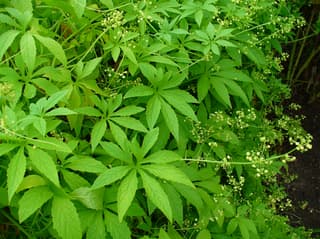
Hard 💧 3 days 🌡️ -20°C - 30°C
Caigua
316
★ 94%

Caigua

Cyclanthera pedata

Medium 💧 4 days 🌡️ 12°C - 27°C
Wart Fern
317
★ 94%

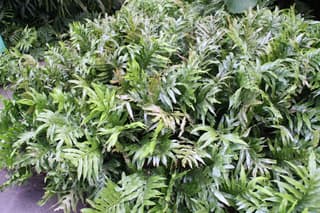
Wart Fern

Phymatosorus scolopendria

Easy 💧 4 days 🌡️ 13°C - 27°C
Garlic Mustard
318
★ 94%

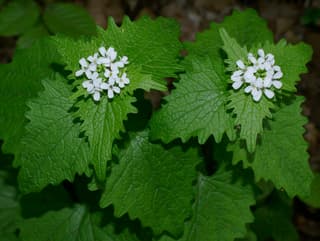
Garlic Mustard

Alliaria petiolata

Easy 💧 7 days 🌡️ -23°C - 30°C
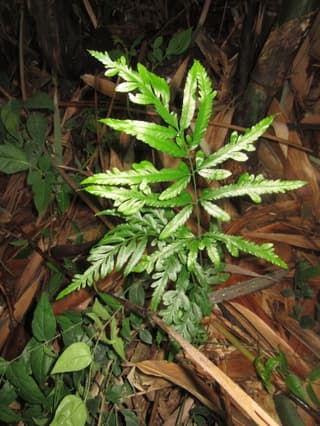
Silver Lace Fern
319
★ 94%

Silver Lace Fern

Pteris ensiformis

Medium 💧 4 days 🌡️ 13°C - 27°C
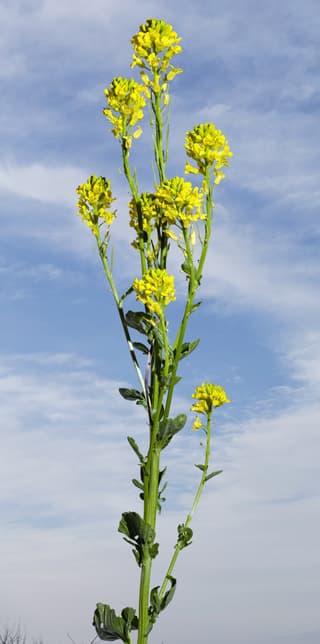
Wintercress
320
★ 94%

Wintercress

Barbarea vulgaris

Easy 💧 7 days 🌡️ -20°C - 30°C
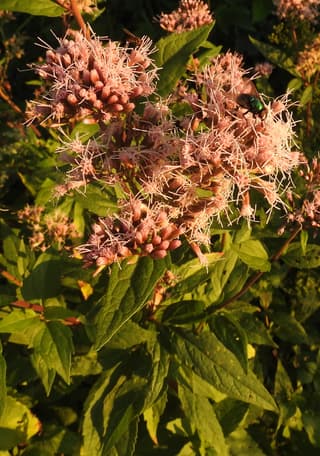
Boneset
321
★ 94%

Boneset

Eupatorium

Easy 💧 5 days 🌡️ -15°C - 30°C
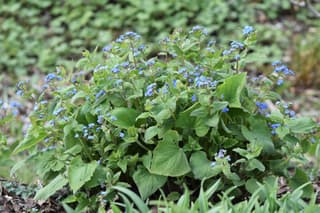
Siberian Bugloss
322
★ 94%

Siberian Bugloss

Brunnera macrophylla
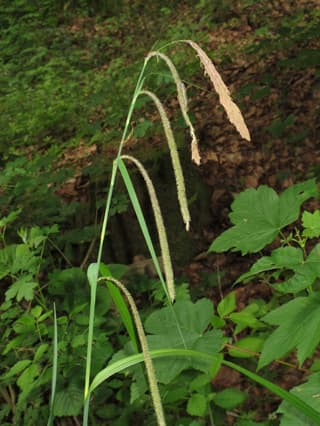
Easy 💧 7 days 🌡️ -35°C - 30°C
Pendulous Sedge
323
★ 94%

Pendulous Sedge

Carex pendula

Easy 💧 3 days 🌡️ -20°C - 32°C
Poor Man's Rhododendron
324
★ 94%

Poor Man's Rhododendron

Impatiens sodenii

Medium 💧 7 days 🌡️ 10°C - 27°C

Ideal Pet Safe for Tabaporã's Climate

Tabaporã has an average temperature of 25.4°C and humidity of 75%, conditions that directly influence which pet safe best adapt to the local environment.

How to Grow Pet Safe in Tabaporã

To successfully grow pet safe in Tabaporã, consider that the average temperature of 25.4°C and humidity of 75% create a specific microclimate. High humidity favors tropical species, but requires attention to ventilation to prevent fungal issues.

Advantages of Choosing Adapted Pet Safe

Pet Safe adapted to Tabaporã's climate show greater resistance, healthy growth, and less need for interventions.