376 Best Succulents for Smiltene | 2026 Guide - Page 4
The 376 best succulents to grow in Smiltene. Ideal climate: 7.1°C, 78.6% humidity.
376 Succulents for Smiltene
Showing 109-144 of 376
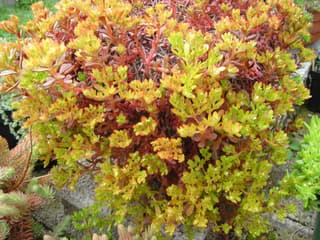
Japanese Stonecrop
Sedum makinoi
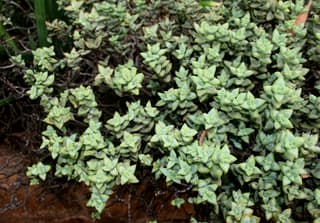
Concertina Plant
Crassula rupestris
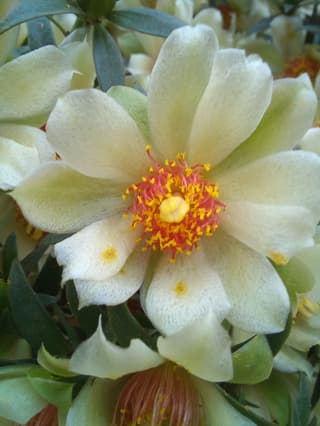
Ora-pro-nobis
Pereskia aculeata
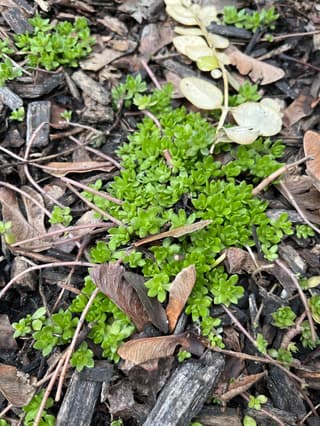
Stringy Stonecrop
Sedum sarmentosum
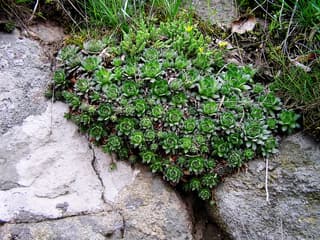
Russian Houseleek
Sempervivum ruthenicum

Blue Spruce Stonecrop
Sedum reflexum

Corsican Stonecrop
Sedum dasyphyllum
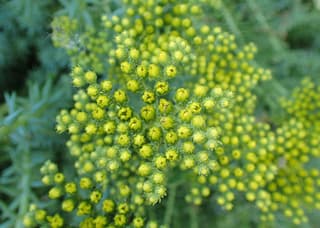
Stonecrop
Petrosedum
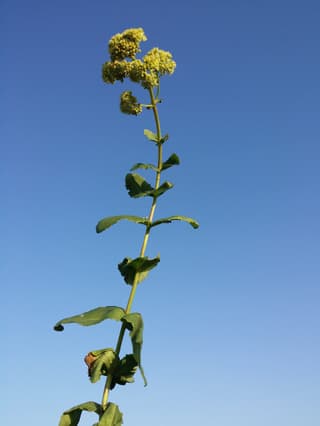
Great Stonecrop
Hylotelephium maximum
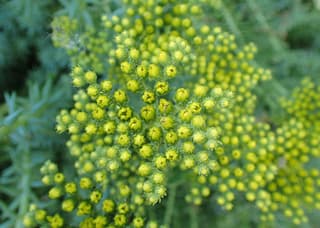
Blue Stonecrop
Petrosedum rupestre
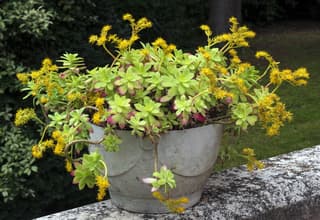
Pacific Stonecrop
Sedum spathulifolium
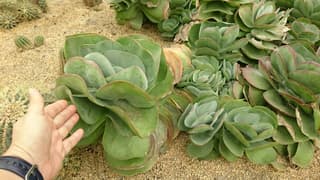
Flapjack Plant
Kalanchoe luciae
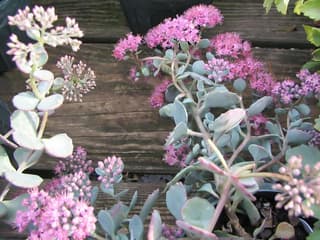
October Daphne
Sedum sieboldii
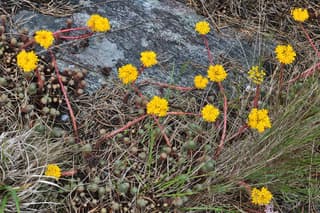
Rock Stonecrop
Petrosedum forsterianum
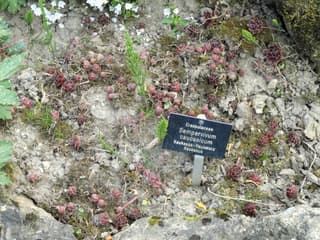
Caucasian Houseleek
Sempervivum caucasicum
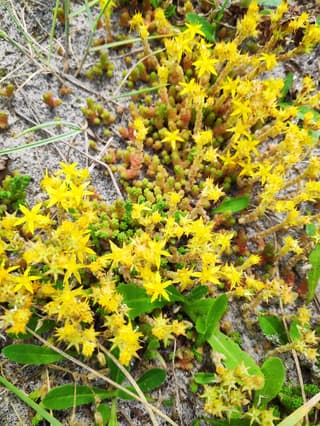
Goldmoss stonecrop
Sedum acre
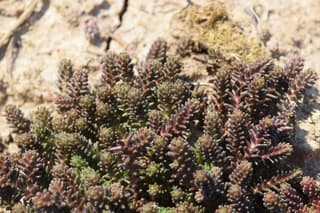
tasteless stonecrop
Sedum sexangulare
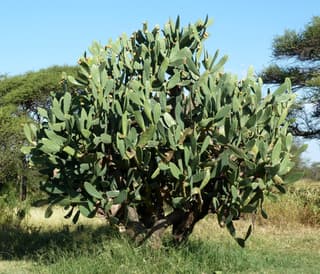
Prickly Pear Cactus
Opuntia
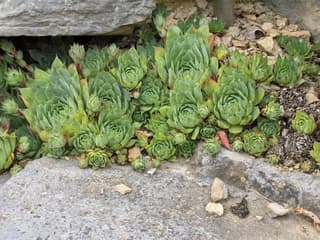
Common Houseleek
Sempervivum tectorum
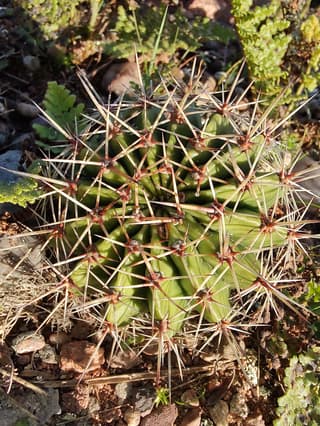
Easter Lily Cactus
Echinopsis oxygona
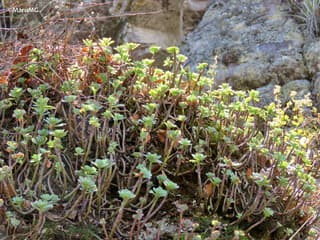
Palmer's Sedum
Sedum palmeri
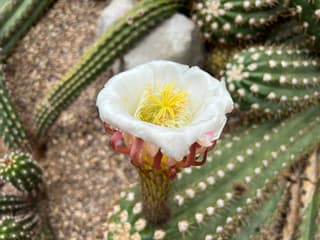
Argentine White Torch Cactus
Soehrensia candicans
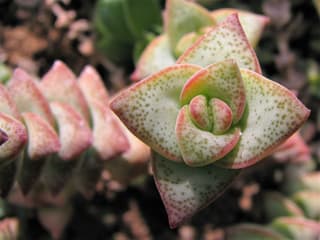
String of Buttons
Crassula perforata
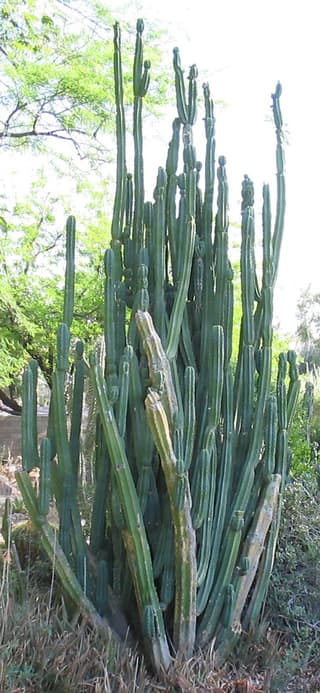
San Pedro Cactus
Trichocereus pachanoi
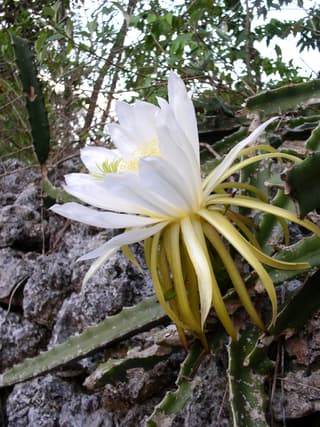
Strawberry Pear
Selenicereus triangularis
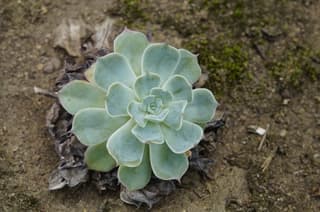
Blue Echeveria
Echeveria secunda
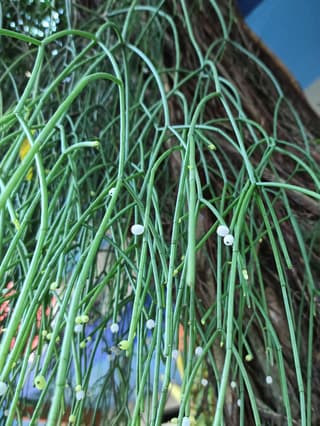
Mistletoe Cactus
Rhipsalis
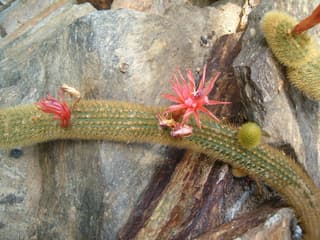
Golden Rat-tail Cactus
Cleistocactus winteri
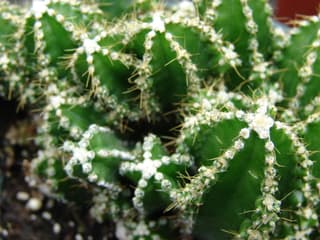
Giant Peruvian Cereus
Cereus peruvianus
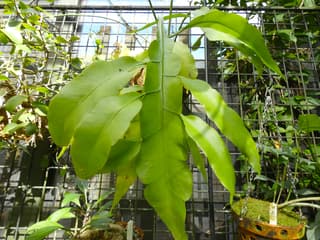
Queen of the Night
Epiphyllum oxypetalum
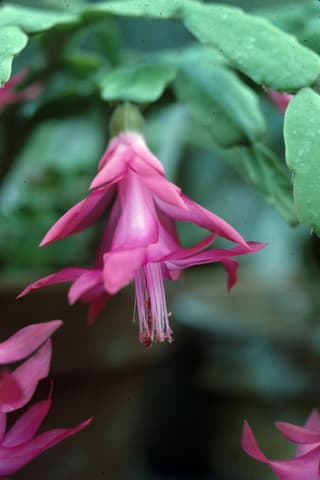
Christmas Cactus
Schlumbergera buckleyi
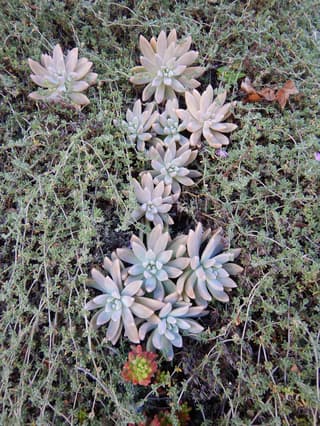
Graptosedum
Graptosedum
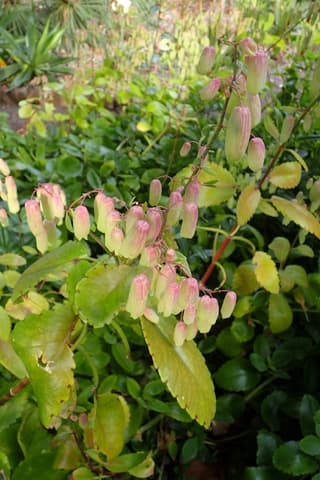
Cathedral Bells
Kalanchoe pinnata
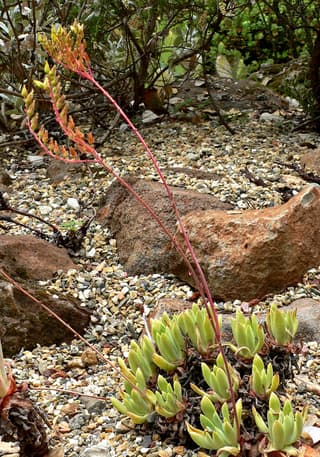
Greene's Liveforever
Dudleya greenei
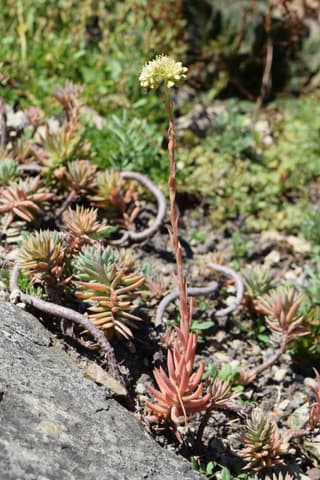
Pale Stonecrop
Petrosedum sediforme
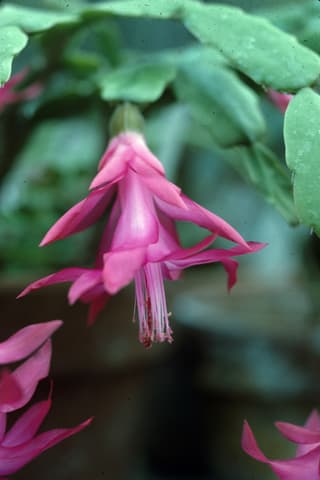
Christmas Cactus
Schlumbergera × buckleyi
Ideal Succulents for Smiltene's Climate
Smiltene has an average temperature of 7.1°C and humidity of 78.6%, conditions that directly influence which succulents best adapt to the local environment.
How to Grow Succulents in Smiltene
To successfully grow succulents in Smiltene, consider that the average temperature of 7.1°C and humidity of 78.6% create a specific microclimate. High humidity favors tropical species, but requires attention to ventilation to prevent fungal issues.
Advantages of Choosing Adapted Succulents
Succulents adapted to Smiltene's climate show greater resistance, healthy growth, and less need for interventions.