Bloom
🌿

500 Best Pet Safe for North Vancouver | 2026 Guide - Page 9

The 500 best pet safe to grow in North Vancouver. Ideal climate: 11°C, 79.2% humidity.

🌡️ 11°C
💧 79.2%

500 Pet Safe for North Vancouver

Showing 289-324 of 500
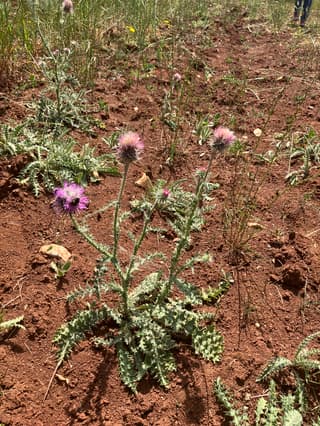
Musk Thistle
289
★ 81%

Musk Thistle

Carduus nutans

Easy 💧 12 days 🌡️ -15°C - 35°C
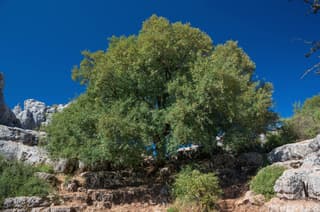
Montpellier maple
290
★ 81%

Montpellier maple

Acer monspessulanum
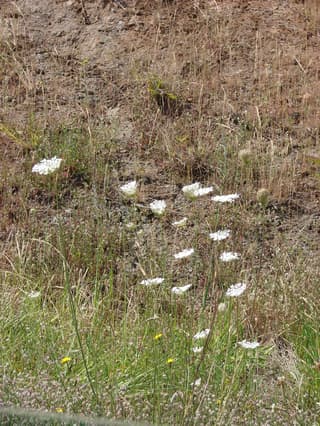
Easy 💧 10 days 🌡️ -15°C - 38°C
Wild Carrot
291
★ 81%

Wild Carrot

Daucus

Easy 💧 7 days 🌡️ -15°C - 35°C
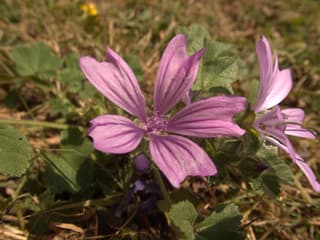
Mallow
292
★ 81%

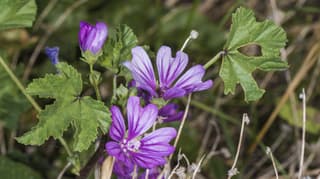
Mallow

Malva

Easy 💧 7 days 🌡️ -15°C - 35°C
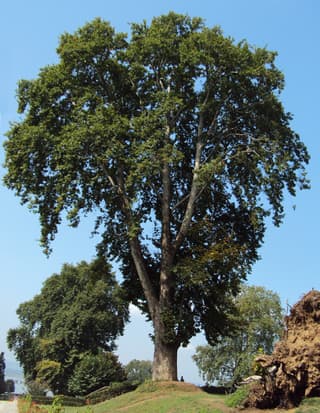
Plane Tree
293
★ 81%

Plane Tree

Platanus

Easy 💧 14 days 🌡️ -20°C - 40°C
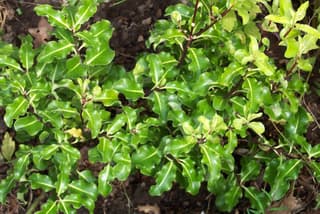
Kohuhu
294
★ 81%

Kohuhu

Pittosporum tenuifolium

Easy 💧 14 days 🌡️ -9°C - 32°C
Chinese Fringe Flower
295
★ 81%

Chinese Fringe Flower

Loropetalum chinense
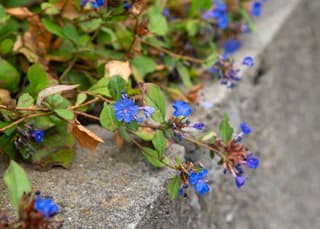
Easy 💧 7 days 🌡️ -15°C - 35°C
Hardy Plumbago
296
★ 81%

Hardy Plumbago

Ceratostigma plumbaginoides
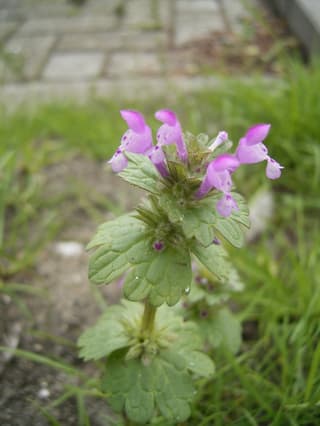
Easy 💧 10 days 🌡️ -15°C - 35°C
Henbit Dead-nettle
297
★ 81%

Henbit Dead-nettle

Lamium amplexicaule
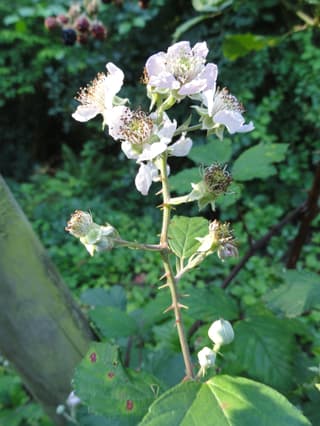
Easy 💧 7 days 🌡️ -10°C - 32°C
Himalayan Blackberry
298
★ 81%

Himalayan Blackberry

Rubus bifrons

Easy 💧 7 days 🌡️ -15°C - 35°C
Chinese Photinia
299
★ 81%

Chinese Photinia

Photinia serratifolia
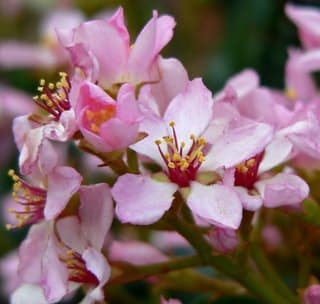
Easy 💧 14 days 🌡️ -15°C - 38°C
Indian Hawthorn
300
★ 81%

Indian Hawthorn

Rhaphiolepis

Easy 💧 14 days 🌡️ -12°C - 35°C
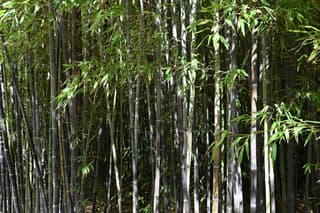
Black bamboo
301
★ 81%

Black bamboo

Phyllostachys nigra

Medium 💧 7 days 🌡️ -15°C - 35°C
Nice Day Rose
302
★ 81%

Nice Day Rose

Rosa 'CHEWNICEBELL'

Medium 💧 3 days 🌡️ -15°C - 35°C
Empress Tree / Princess Tree (genus)
303
★ 81%

Empress Tree / Princess Tree (genus)

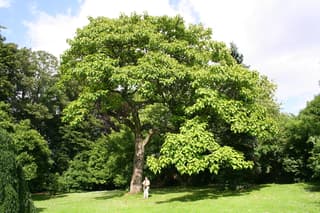
Paulownia
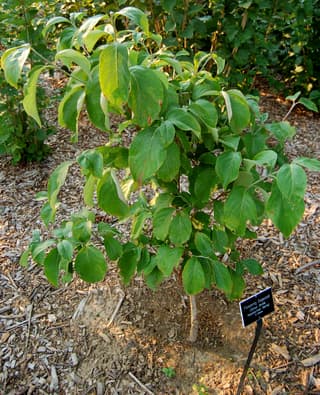
Easy 💧 7 days 🌡️ -20°C - 40°C
Flowering Dogwood
304
★ 81%

Flowering Dogwood

Cornus florida

Medium 💧 7 days 🌡️ -15°C - 35°C
Thorny Olive
305
★ 81%

Thorny Olive

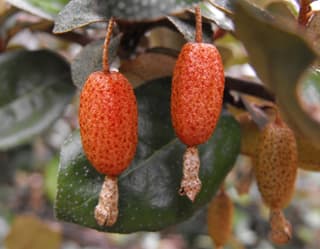
Elaeagnus pungens

Easy 💧 14 days 🌡️ -15°C - 38°C
Japanese Raisin Tree
306
★ 81%

Japanese Raisin Tree

Hovenia dulcis

Easy 💧 14 days 🌡️ -15°C - 35°C
Field Maple
307
★ 80%

Field Maple

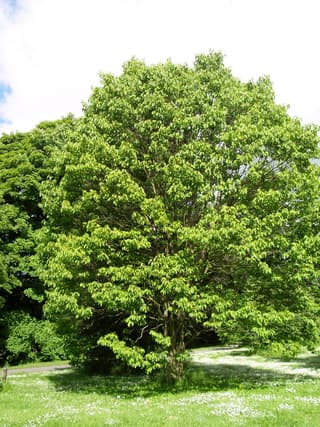
Acer campestre

Easy 💧 14 days 🌡️ -20°C - 35°C
Golden Rain Tree
308
★ 80%

Golden Rain Tree

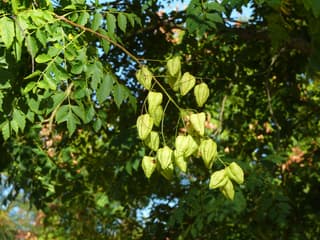
Koelreuteria paniculata
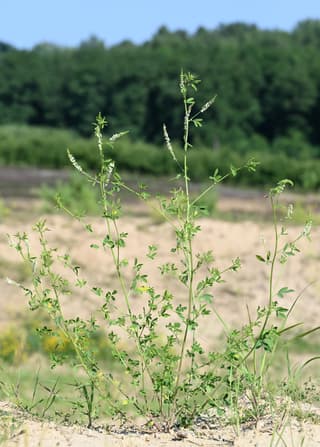
Medium 💧 14 days 🌡️ -20°C - 38°C
White sweet clover
309
★ 80%

White sweet clover

Melilotus albus

Easy 💧 14 days 🌡️ -25°C - 38°C
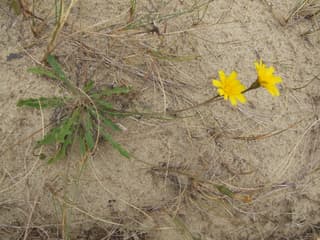
Lesser Hawkbit
310
★ 80%

Lesser Hawkbit

Leontodon saxatilis

Easy 💧 10 days 🌡️ -20°C - 35°C
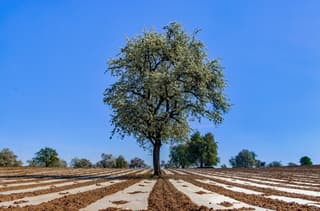
Pear
311
★ 80%

Pear

Pyrus

Medium 💧 7 days 🌡️ -20°C - 35°C
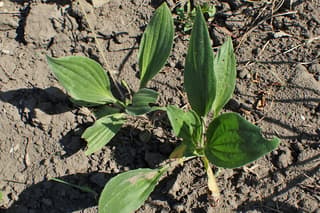
Asian Plantain
312
★ 80%

Asian Plantain

Plantago asiatica

Easy 💧 7 days 🌡️ -10°C - 35°C
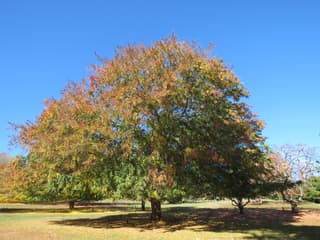
Chinese Elm
313
★ 80%

Chinese Elm

Ulmus parvifolia

Easy 💧 10 days 🌡️ -15°C - 40°C
High mallow
314
★ 80%

High mallow

Malva sylvestris

Easy 💧 5 days 🌡️ -10°C - 35°C
Campion
315
★ 80%

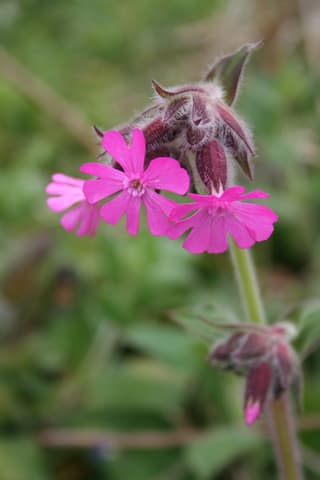
Campion

Silene

Easy 💧 7 days 🌡️ -20°C - 35°C
smooth hawksbeard
316
★ 80%

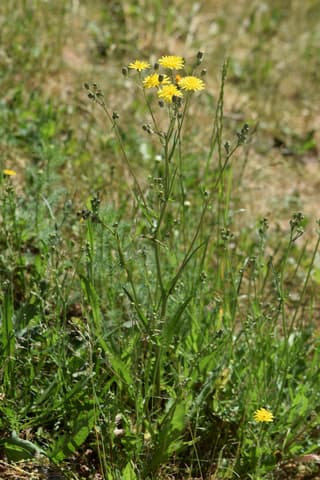
smooth hawksbeard

Crepis capillaris

Easy 💧 14 days 🌡️ -10°C - 35°C
Brassica
317
★ 80%

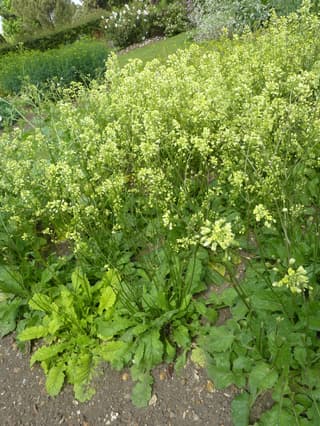
Brassica

Brassica

Easy 💧 5 days 🌡️ -4°C - 24°C
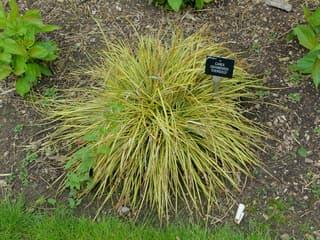
Evergold Sedge
318
★ 80%

Evergold Sedge

Carex oshimensis 'Evergold'
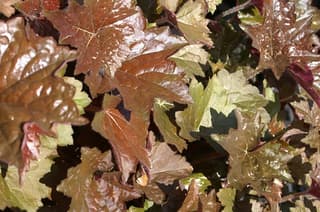
Easy 💧 7 days 🌡️ -15°C - 30°C
Crevice Alumroot
319
★ 80%

Crevice Alumroot

Heuchera micrantha

Medium 💧 7 days 🌡️ -15°C - 30°C
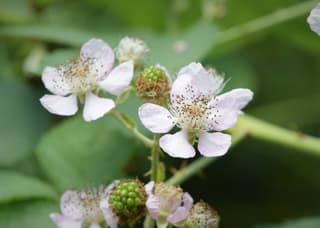
Himalayan Blackberry
320
★ 80%

Himalayan Blackberry

Rubus armeniacus
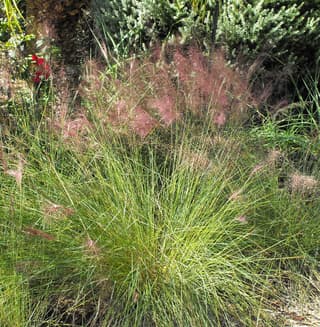
Easy 💧 7 days 🌡️ -18°C - 37°C
Pink Muhly Grass
321
★ 80%

Pink Muhly Grass

Muhlenbergia capillaris
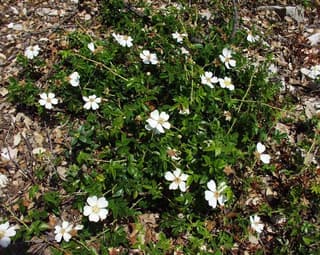
Easy 💧 10 days 🌡️ -23°C - 38°C
Evergreen Rose
322
★ 80%

Evergreen Rose

Rosa sempervirens

Medium 💧 7 days 🌡️ -10°C - 38°C
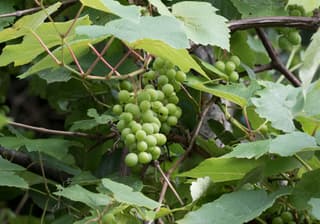
Fox Grape
323
★ 80%

Fox Grape

Vitis labrusca

Medium 💧 7 days 🌡️ -20°C - 35°C
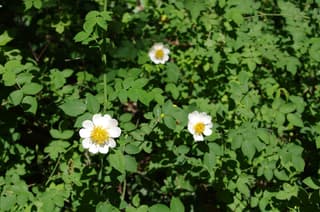
Field Rose
324
★ 80%

Field Rose

Rosa arvensis

Medium 💧 9 days 🌡️ -23°C - 35°C

Ideal Pet Safe for North Vancouver's Climate

North Vancouver has an average temperature of 11°C and humidity of 79.2%, conditions that directly influence which pet safe best adapt to the local environment.

How to Grow Pet Safe in North Vancouver

To successfully grow pet safe in North Vancouver, consider that the average temperature of 11°C and humidity of 79.2% create a specific microclimate. High humidity favors tropical species, but requires attention to ventilation to prevent fungal issues.

Advantages of Choosing Adapted Pet Safe

Pet Safe adapted to North Vancouver's climate show greater resistance, healthy growth, and less need for interventions.