371 Best Succulents for Nipawin | 2026 Guide - Page 3
The 371 best succulents to grow in Nipawin. Ideal climate: 3.5°C, 72.3% humidity.
371 Succulents for Nipawin
Showing 73-108 of 371
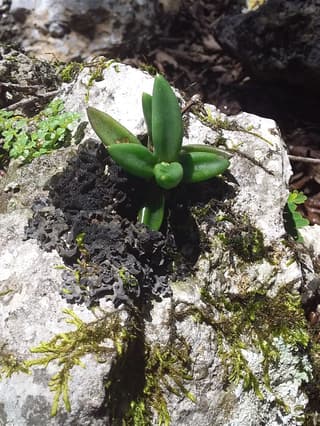
Lenophyllum acutifolium
Lenophyllum acutifolium
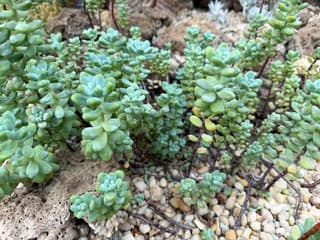
Jelly Bean Plant
Sedum pachyphyllum
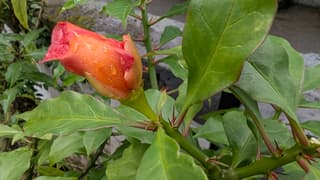
Rose Cactus
Rhodocactus grandifolius
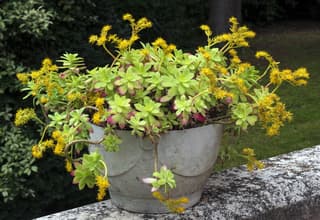
Pacific Stonecrop
Sedum spathulifolium
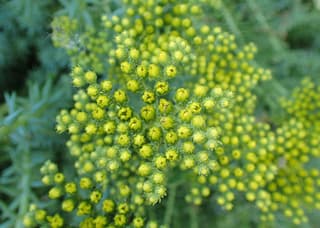
Stonecrop
Petrosedum
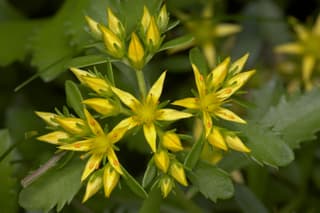
Orange Stonecrop
Sedum kamtschaticum
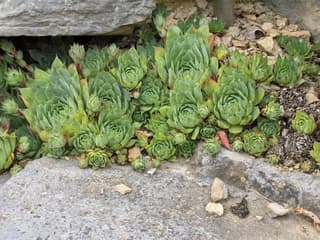
Common Houseleek
Sempervivum tectorum
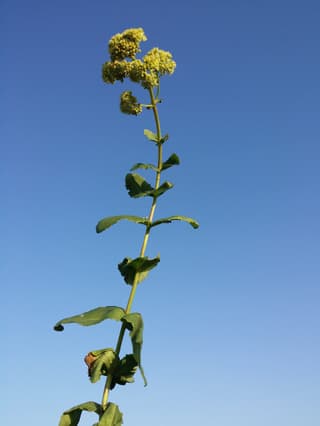
Great Stonecrop
Hylotelephium maximum
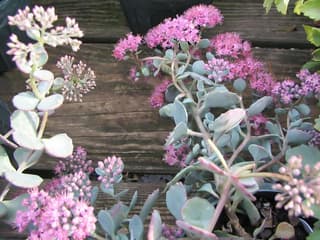
October Daphne
Sedum sieboldii
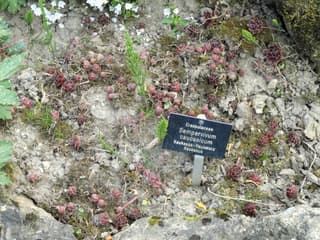
Caucasian Houseleek
Sempervivum caucasicum
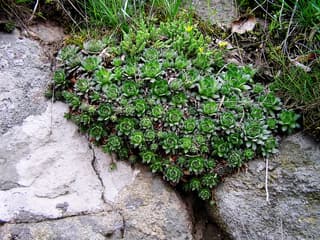
Russian Houseleek
Sempervivum ruthenicum
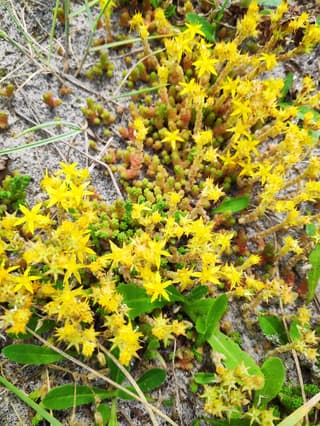
Goldmoss stonecrop
Sedum acre

Corsican Stonecrop
Sedum dasyphyllum
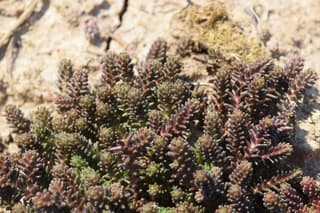
tasteless stonecrop
Sedum sexangulare
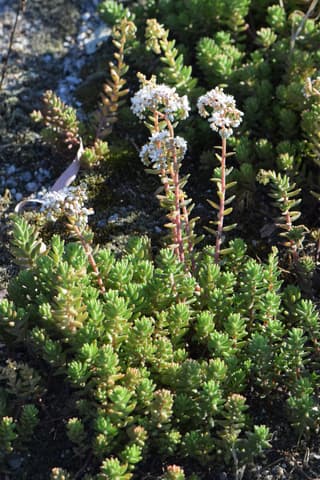
White Stonecrop
Sedum album
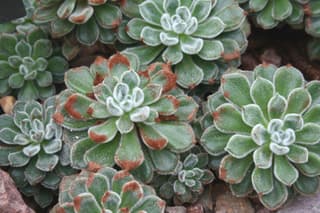
Mexican Firecracker
Echeveria setosa
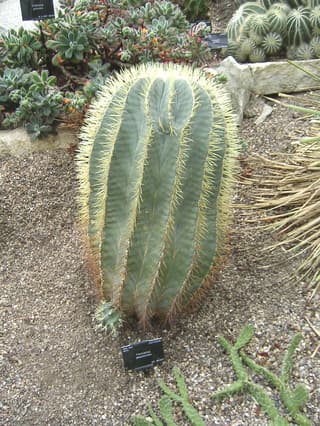
Blue Barrel Cactus
Ferocactus glaucescens
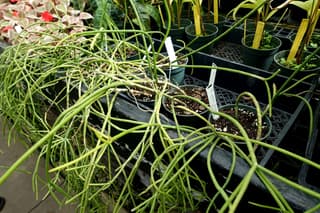
Mistletoe cactus
Rhipsalis baccifera
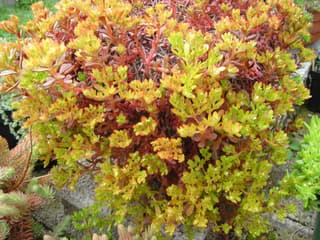
Japanese Stonecrop
Sedum makinoi
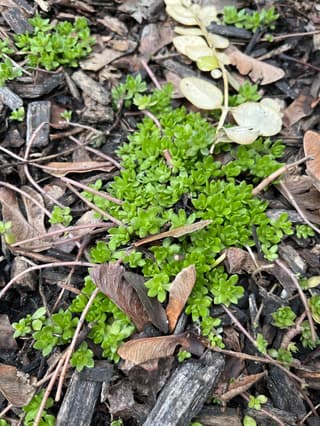
Stringy Stonecrop
Sedum sarmentosum
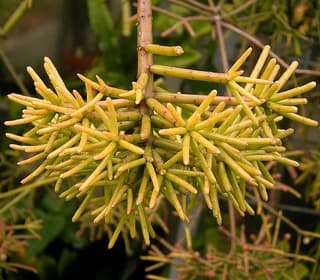
Mistletoe Cactus
Rhipsalis teres
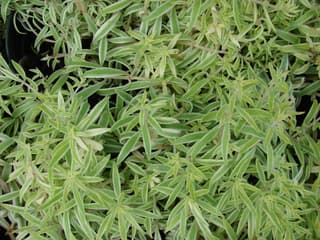
Needle Stonecrop
Sedum lineare

Beach Apple Cactus
Cereus fernambucensis
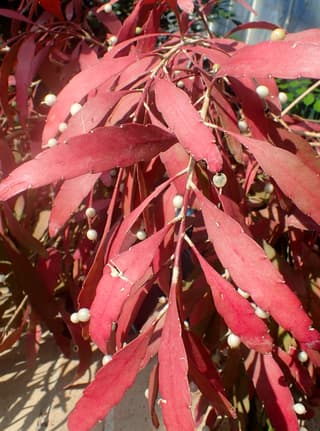
Red Mistletoe Cactus
Pseudorhipsalis ramulosa

Copper Spoons
Kalanchoe orgyalis

Blue Spruce Stonecrop
Sedum reflexum
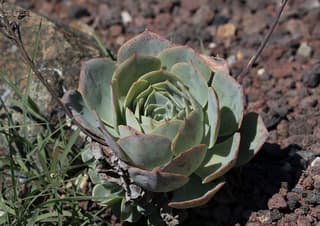
Echeveria Dionysos
Echeveria 'Dionysos'
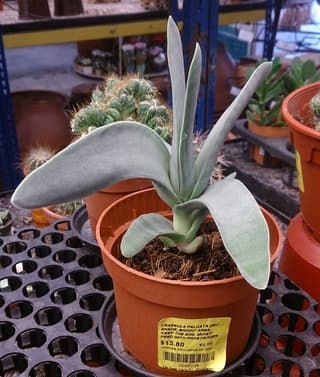
Propeller Plant
Crassula perfoliata
Guatemalan Dragon Fruit
Hylocereus guatemalensis
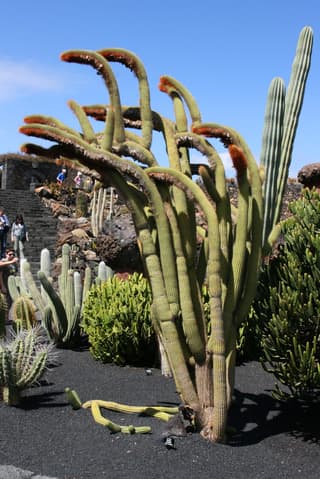
Espostoa guentheri
Espostoa guentheri
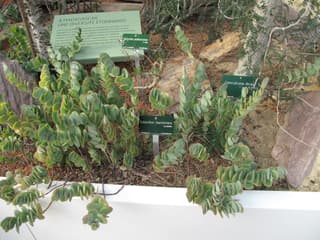
Marnier's Kalanchoe
Kalanchoe marnieriana
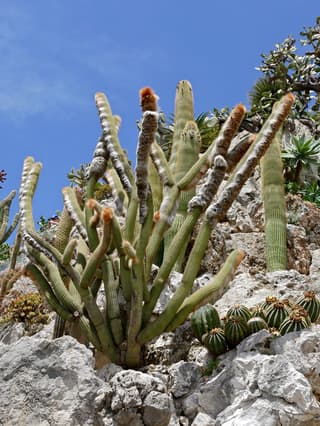
Red Fox Tail Cactus
Vatricania guentheri
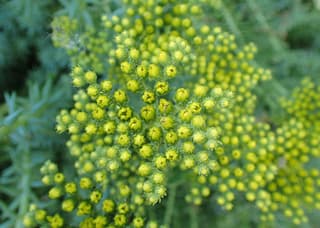
Blue Stonecrop
Petrosedum rupestre
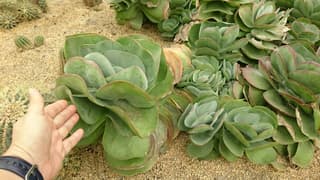
Flapjack Plant
Kalanchoe luciae
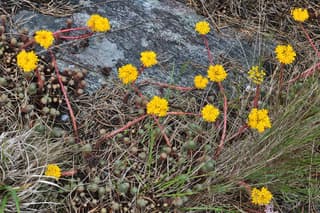
Rock Stonecrop
Petrosedum forsterianum
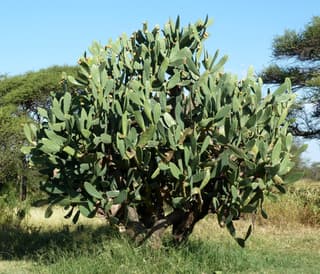
Prickly Pear Cactus
Opuntia
Ideal Succulents for Nipawin's Climate
Nipawin has an average temperature of 3.5°C and humidity of 72.3%, conditions that directly influence which succulents best adapt to the local environment.
How to Grow Succulents in Nipawin
To successfully grow succulents in Nipawin, consider that the average temperature of 3.5°C and humidity of 72.3% create a specific microclimate. High humidity favors tropical species, but requires attention to ventilation to prevent fungal issues.
Advantages of Choosing Adapted Succulents
Succulents adapted to Nipawin's climate show greater resistance, healthy growth, and less need for interventions.