Bloom
🌿

500 Best Pet Safe for Morata de Tajuña | 2026 Guide - Page 10

The 500 best pet safe to grow in Morata de Tajuña. Ideal climate: 16.1°C, 59.3% humidity.

🌡️ 16.1°C
💧 59.3%

500 Pet Safe for Morata de Tajuña

Showing 325-360 of 500
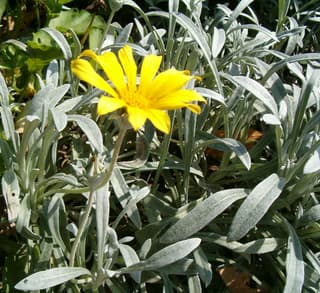
Treasure Flower
325
★ 98%

Treasure Flower

Gazania rigens

Easy 💧 10 days 🌡️ 5°C - 35°C
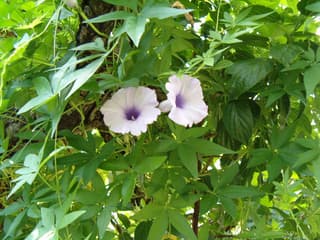
Mile-a-minute vine
326
★ 98%

Mile-a-minute vine

Ipomoea cairica

Easy 💧 7 days 🌡️ 5°C - 38°C
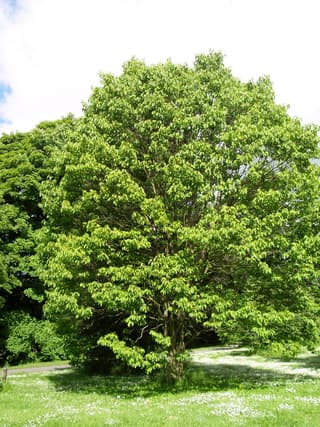
Japanese Raisin Tree
327
★ 98%

Japanese Raisin Tree

Hovenia dulcis

Easy 💧 14 days 🌡️ -15°C - 35°C
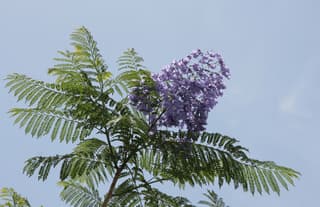
Blue Jacaranda
328
★ 98%

Blue Jacaranda

Jacaranda mimosaefolia
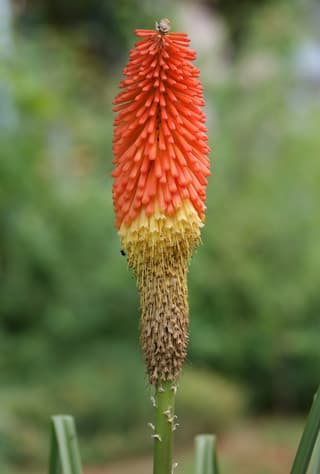
Easy 💧 10 days 🌡️ 5°C - 35°C
Red Hot Poker
329
★ 98%

Red Hot Poker

Kniphofia uvaria

Easy 💧 7 days 🌡️ -15°C - 35°C
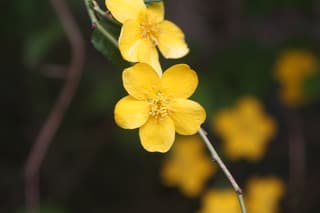
Japanese Kerria
330
★ 98%

Japanese Kerria

Kerria japonica

Easy 💧 9 days 🌡️ -20°C - 35°C
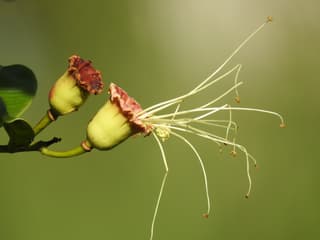
Thimble Tree
331
★ 98%

Thimble Tree

Lafoensia pacari

Medium 💧 14 days 🌡️ 5°C - 38°C
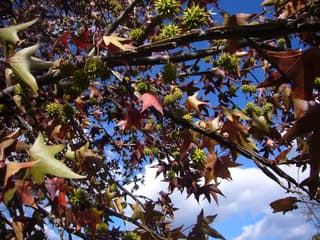
Sweetgum
332
★ 98%

Sweetgum

Liquidambar styraciflua

Medium 💧 10 days 🌡️ -20°C - 38°C
Rose Mallow
333
★ 98%

Rose Mallow

Lavatera trimestris

Easy 💧 7 days 🌡️ 5°C - 35°C
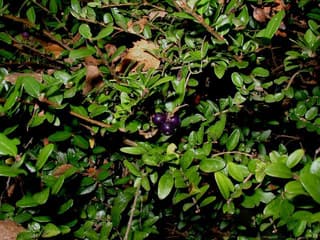
Boxleaf Honeysuckle
334
★ 98%

Boxleaf Honeysuckle

Lonicera nitida

Easy 💧 7 days 🌡️ -18°C - 35°C
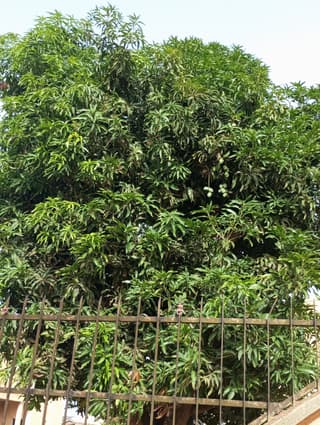
Mango Tree
335
★ 98%

Mango Tree

Mangifera indica

Medium 💧 10 days 🌡️ -1°C - 48°C
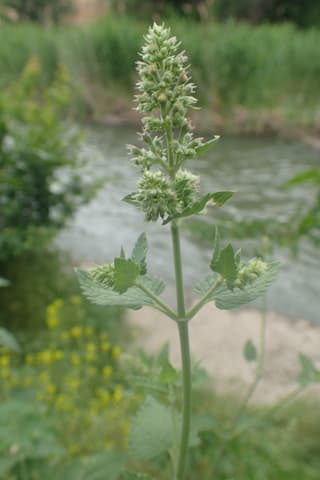
Catmint
336
★ 98%

Catmint

Nepeta sp

Easy 💧 14 days 🌡️ -20°C - 35°C
Common Blanketflower
337
★ 97%

Common Blanketflower

Gaillardia aristata
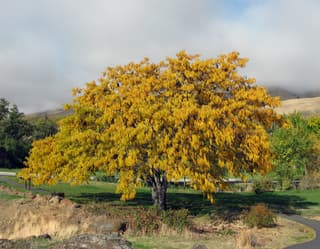
Easy 💧 10 days 🌡️ 10°C - 32°C
Honey Locust
338
★ 97%

Honey Locust

Gleditsia triacanthos

Medium 💧 14 days 🌡️ -35°C - 35°C
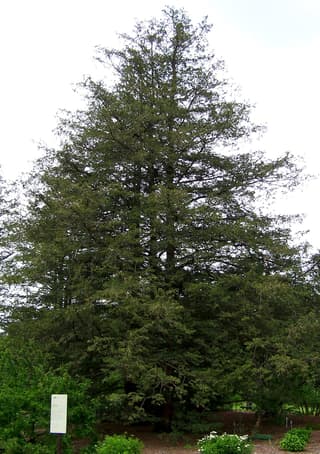
Sawara cypress
339
★ 97%

Sawara cypress

Chamaecyparis pisifera
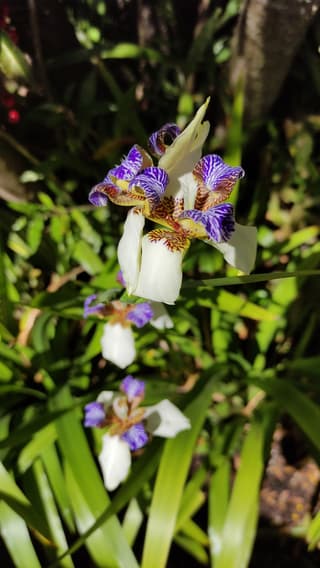
Medium 💧 10 days 🌡️ -29°C - 35°C
Yellow Walking Iris
340
★ 97%

Yellow Walking Iris

Trimezia gracilis
Medium 💧 9 days 🌡️ 10°C - 29°C
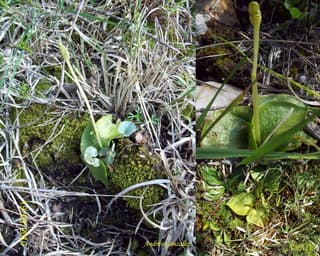
Bulbous Adder's-tongue
341
★ 97%

Bulbous Adder's-tongue

Ophioglossum crotalophoroides
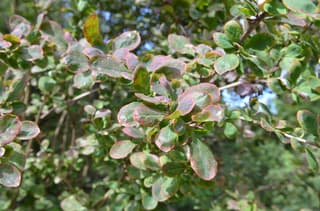
Hard 💧 4 days 🌡️ 10°C - 32°C
Ottawa Barberry
342
★ 97%

Ottawa Barberry

Berberis × ottawensis
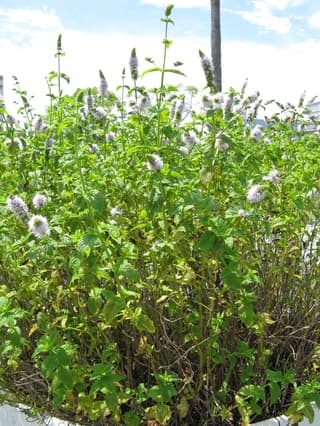
Easy 💧 14 days 🌡️ -25°C - 35°C
Spearmint
343
★ 97%

Spearmint

Mentha spicata

Easy 💧 2 days 🌡️ -22°C - 35°C
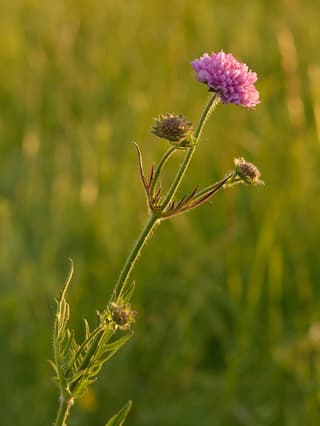
Field Scabious
344
★ 97%

Field Scabious

Knautia arvensis

Easy 💧 10 days 🌡️ -30°C - 35°C
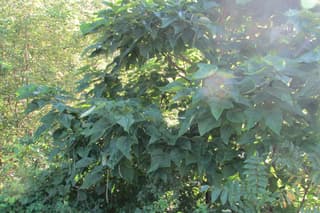
Northern Catalpa
345
★ 97%

Northern Catalpa

Catalpa speciosa

Easy 💧 7 days 🌡️ -29°C - 38°C
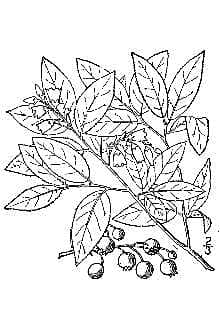
Hillside Blueberry
346
★ 97%

Hillside Blueberry

Vaccinium pallidum
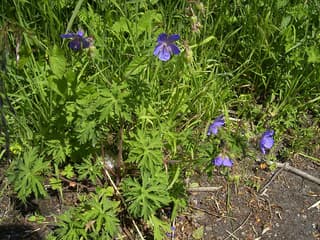
Easy 💧 10 days 🌡️ -26°C - 35°C
Cranesbill
347
★ 97%

Cranesbill

Geranium

Easy 💧 7 days 🌡️ -20°C - 30°C
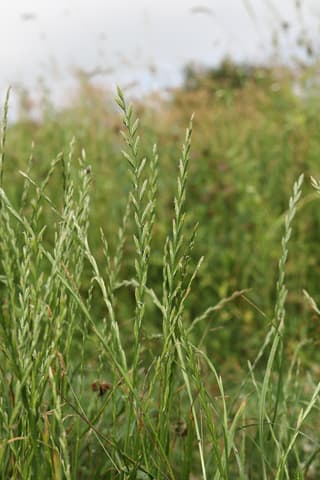
Perennial ryegrass
348
★ 97%

Perennial ryegrass

Lolium perenne

Easy 💧 3 days 🌡️ -28°C - 35°C
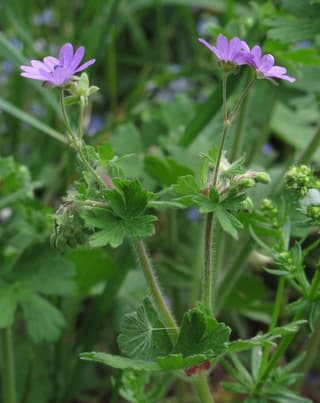
Hedgerow Cranesbill
349
★ 97%

Hedgerow Cranesbill

Geranium pyrenaicum
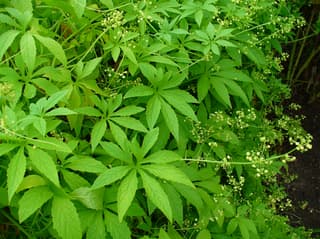
Easy 💧 7 days 🌡️ -20°C - 30°C
Caigua
350
★ 97%

Caigua

Cyclanthera pedata

Medium 💧 4 days 🌡️ 12°C - 27°C
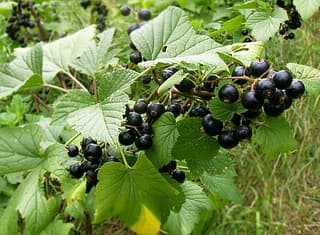
Blackcurrant
351
★ 97%

Blackcurrant

Ribes nigrum

Easy 💧 8 days 🌡️ -30°C - 35°C
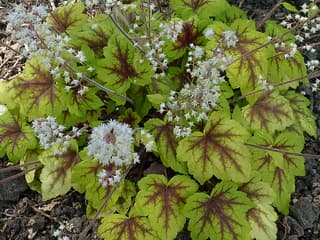
Foamy Bells
352
★ 97%

Foamy Bells

Heucherella

Easy 💧 7 days 🌡️ -29°C - 35°C
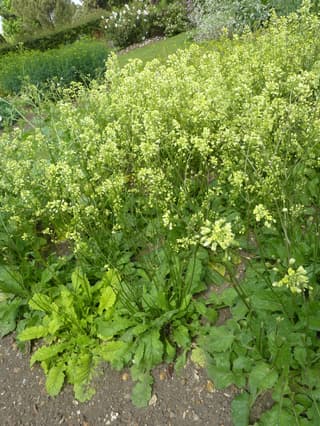
Brassica
353
★ 97%

Brassica

Brassica

Easy 💧 5 days 🌡️ -4°C - 24°C
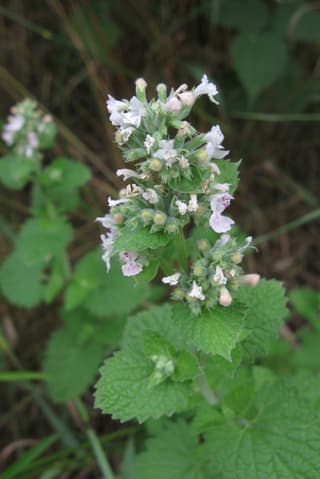
Catnip
354
★ 97%

Catnip

Nepeta cataria

Easy 💧 7 days 🌡️ -30°C - 35°C
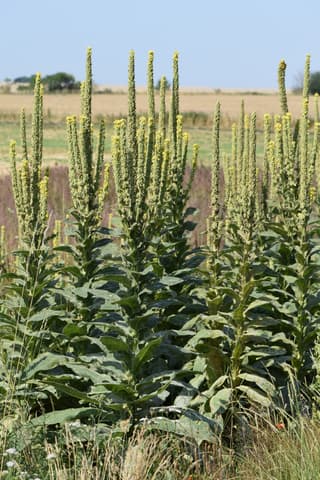
Common Mullein
355
★ 97%

Common Mullein

Verbascum thapsus

Easy 💧 10 days 🌡️ -34°C - 35°C
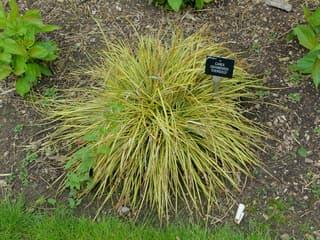
Evergold Sedge
356
★ 97%

Evergold Sedge

Carex oshimensis 'Evergold'
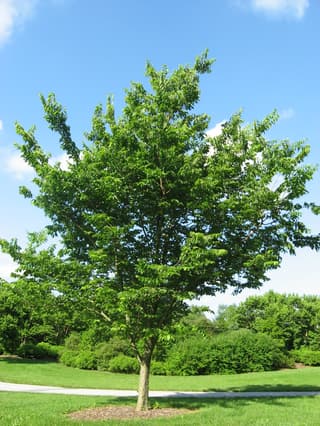
Easy 💧 7 days 🌡️ -15°C - 30°C
Common hackberry
357
★ 97%

Common hackberry

Celtis occidentalis

Easy 💧 14 days 🌡️ -40°C - 38°C
Kamchatka Stonecrop
358
★ 97%

Kamchatka Stonecrop

Phedimus kamtschaticus
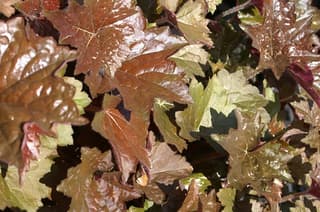
Easy 💧 14 days 🌡️ -34°C - 35°C
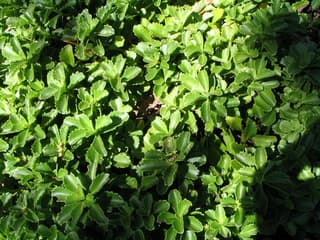
Crevice Alumroot
359
★ 97%

Crevice Alumroot

Heuchera micrantha

Medium 💧 7 days 🌡️ -15°C - 30°C
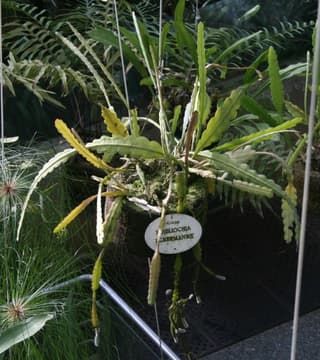
Orchid Cactus
360
★ 97%

Orchid Cactus

Disocactus

Medium 💧 7 days 🌡️ 13°C - 24°C

Ideal Pet Safe for Morata de Tajuña's Climate

Morata de Tajuña has an average temperature of 16.1°C and humidity of 59.3%, conditions that directly influence which pet safe best adapt to the local environment.

How to Grow Pet Safe in Morata de Tajuña

To successfully grow pet safe in Morata de Tajuña, consider that the average temperature of 16.1°C and humidity of 59.3% create a specific microclimate. Moderate humidity is favorable for most species in this category.

Advantages of Choosing Adapted Pet Safe

Pet Safe adapted to Morata de Tajuña's climate show greater resistance, healthy growth, and less need for interventions.