Bloom
🌿

500 Best Pet Safe for Loro Ciuffenna | 2026 Guide - Page 13

The 500 best pet safe to grow in Loro Ciuffenna. Ideal climate: 13.2°C, 74.9% humidity.

🌡️ 13.2°C
💧 74.9%

500 Pet Safe for Loro Ciuffenna

Showing 433-468 of 500
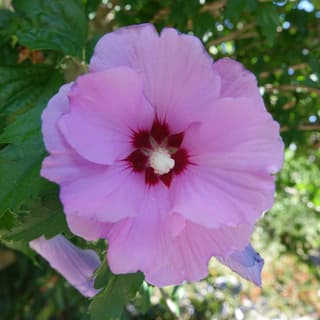
Rose of Sharon
433
★ 83%

Rose of Sharon

Hibiscus syriacus

Easy 💧 7 days 🌡️ -29°C - 38°C
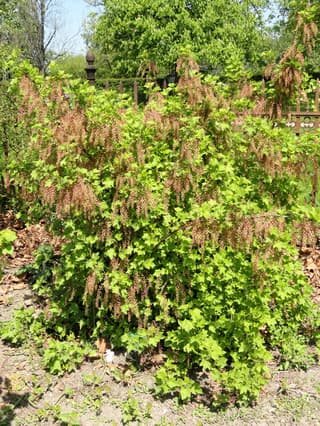
Downy Currant
434
★ 83%

Downy Currant

Ribes spicatum

Easy 💧 7 days 🌡️ -20°C - 30°C
Hawthorn
435
★ 83%

Hawthorn

Crataegus

Easy 💧 7 days 🌡️ -30°C - 35°C
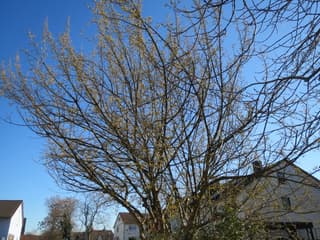
Cornelian Cherry
436
★ 83%

Cornelian Cherry

Cornus mas

Easy 💧 10 days 🌡️ -25°C - 35°C
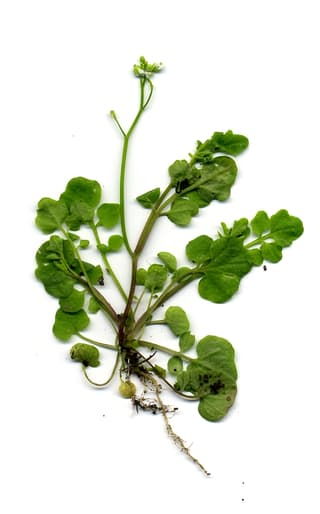
Hairy Bittercress
437
★ 83%

Hairy Bittercress

Cardamine hirsuta

Easy 💧 5 days 🌡️ 5°C - 27°C
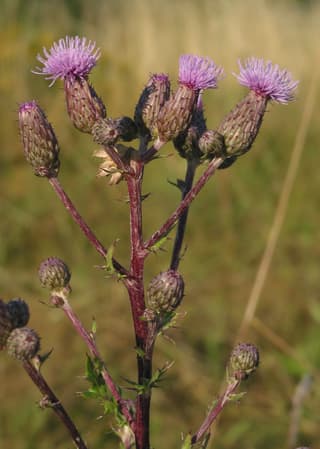
Creeping Thistle
438
★ 83%

Creeping Thistle

Cirsium arvense

Easy 💧 14 days 🌡️ -30°C - 35°C
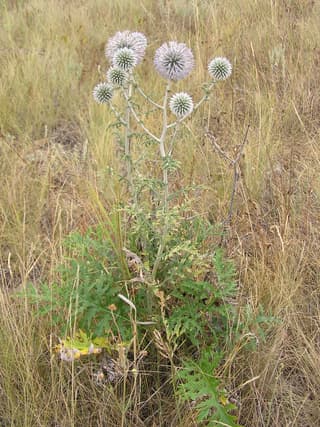
Globe thistle
439
★ 83%

Globe thistle

Echinops sphaerocephalus
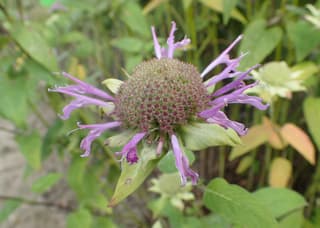
Easy 💧 10 days 🌡️ -30°C - 35°C
Scarlet Bee Balm
440
★ 83%

Scarlet Bee Balm

Monarda didyma

Easy 💧 7 days 🌡️ -30°C - 35°C
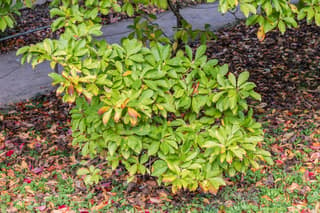
Kobus Magnolia
441
★ 83%

Kobus Magnolia

Magnolia kobus

Medium 💧 7 days 🌡️ -29°C - 35°C
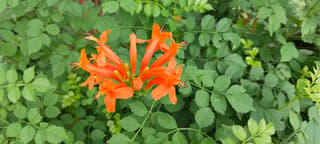
Cape Honeysuckle
442
★ 83%

Cape Honeysuckle

Tecoma capensis

Easy 💧 7 days 🌡️ -4°C - 40°C
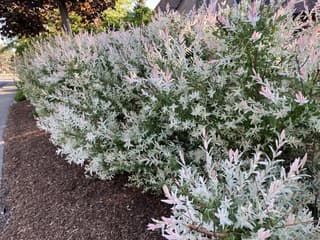
Dappled Willow
443
★ 83%

Dappled Willow

Salix integra

Medium 💧 7 days 🌡️ -25°C - 32°C
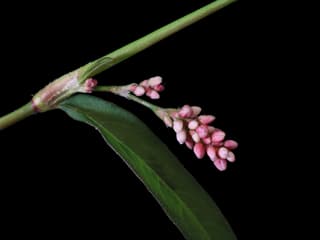
Smartweed
444
★ 83%

Smartweed

Persicaria

Easy 💧 5 days 🌡️ -20°C - 30°C
Wild Service Tree
445
★ 83%

Wild Service Tree

Torminalis glaberrima
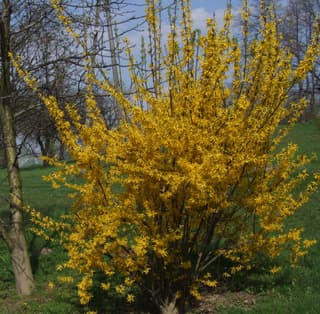
Medium 💧 14 days 🌡️ -25°C - 35°C
Border Forsythia
446
★ 83%

Border Forsythia

Forsythia x intermedia
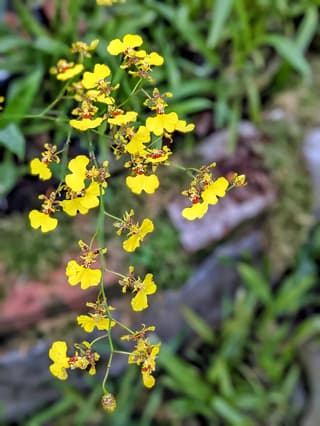
Easy 💧 10 days 🌡️ -23°C - 35°C
Golden Shower Orchid
447
★ 83%

Golden Shower Orchid

Oncidium varicosum
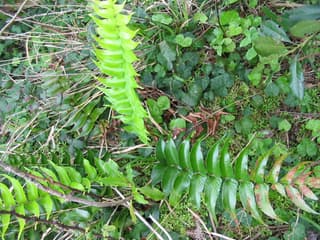
Medium 💧 3 days 🌡️ 14°C - 30°C
Japanese Holly Fern
448
★ 83%

Japanese Holly Fern

Cyrtomium falcatum
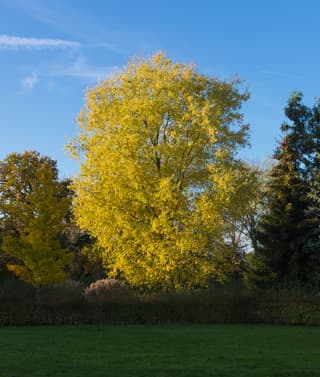
Easy 💧 7 days 🌡️ 4°C - 30°C
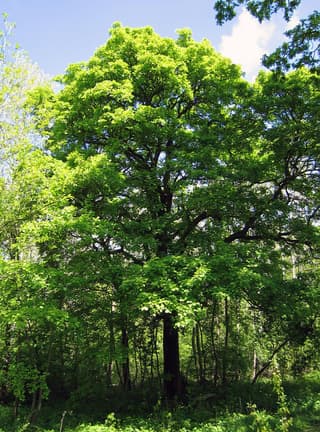
Silver Maple
449
★ 83%

Silver Maple

Acer saccharinum

Medium 💧 7 days 🌡️ -30°C - 35°C
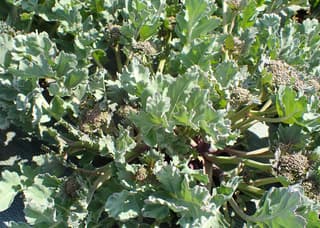
Sea Kale
450
★ 83%

Sea Kale

Crambe

Medium 💧 7 days 🌡️ -20°C - 30°C
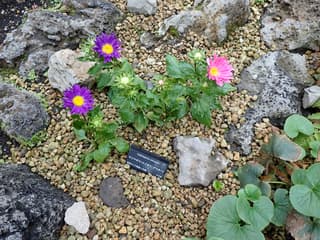
China Aster
451
★ 83%

China Aster

Callistephus chinensis

Medium 💧 7 days 🌡️ 5°C - 28°C
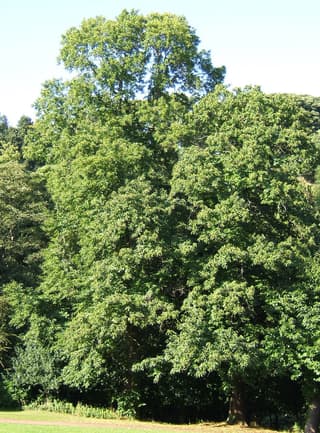
Sweet Chestnut
452
★ 83%

Sweet Chestnut

Castanea sativa

Medium 💧 14 days 🌡️ -15°C - 30°C
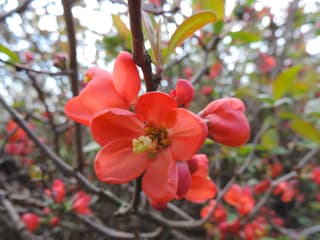
Flowering Quince
453
★ 83%

Flowering Quince

Chaenomeles speciosa
Medium 💧 14 days 🌡️ -25°C - 35°C
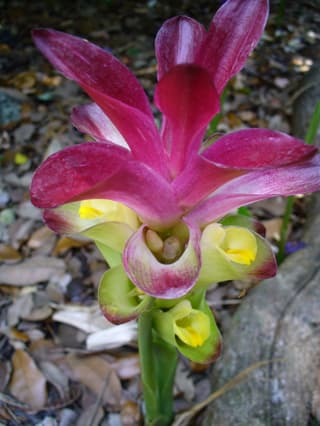
Zedoary
454
★ 83%

Zedoary

Curcuma zedoaria

Medium 💧 4 days 🌡️ 14°C - 35°C
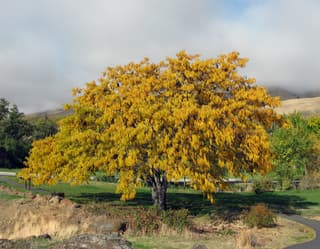
Honey Locust
455
★ 82%

Honey Locust

Gleditsia triacanthos

Medium 💧 14 days 🌡️ -35°C - 35°C
False Sunflower
456
★ 82%

False Sunflower

Heliopsis helianthoides
Easy 💧 7 days 🌡️ -40°C - 35°C
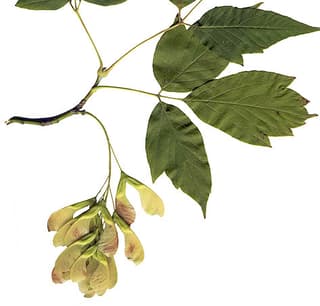
Boxelder
457
★ 82%

Boxelder

Acer negundo

Medium 💧 14 days 🌡️ -40°C - 35°C
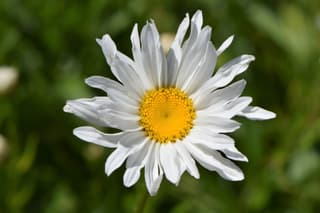
Max Chrysanthemum
458
★ 82%

Max Chrysanthemum

Leucanthemum maximum
Easy 💧 7 days 🌡️ -34°C - 30°C
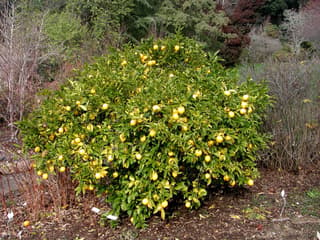
Lemon
459
★ 82%

Lemon

Citrus limon

Medium 💧 4 days 🌡️ 4°C - 38°C
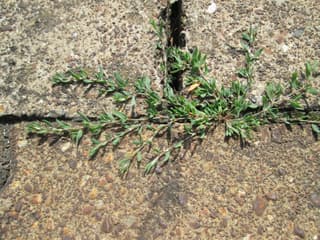
Oval-leaf Knotweed
460
★ 82%

Oval-leaf Knotweed

Polygonum arenastrum
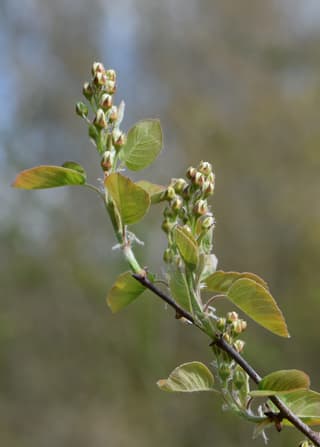
Easy 💧 7 days 🌡️ 5°C - 32°C
Saskatoon Serviceberry
461
★ 82%

Saskatoon Serviceberry

Amelanchier alnifolia
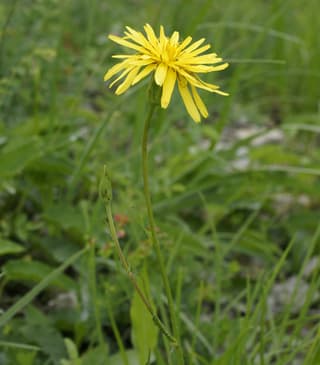
Easy 💧 10 days 🌡️ -45°C - 35°C
Black Salsify
462
★ 82%

Black Salsify

Scorzonera

Medium 💧 7 days 🌡️ -20°C - 25°C
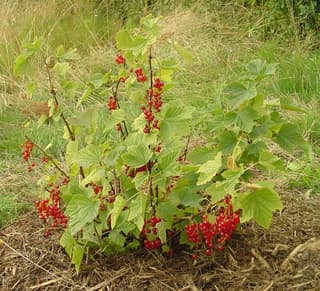
Redcurrant
463
★ 82%

Redcurrant

Ribes rubrum

Medium 💧 8 days 🌡️ -20°C - 28°C
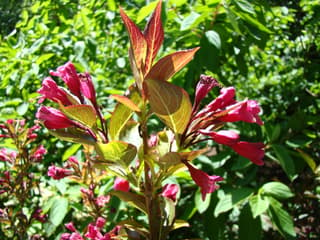
Old Fashioned Weigela
464
★ 82%

Old Fashioned Weigela

Weigela florida
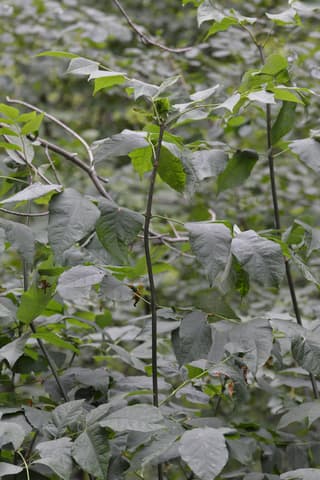
Easy 💧 4 days 🌡️ -30°C - 32°C
Green Ash
465
★ 82%

Green Ash

Fraxinus pennsylvanica

Medium 💧 14 days 🌡️ -40°C - 38°C
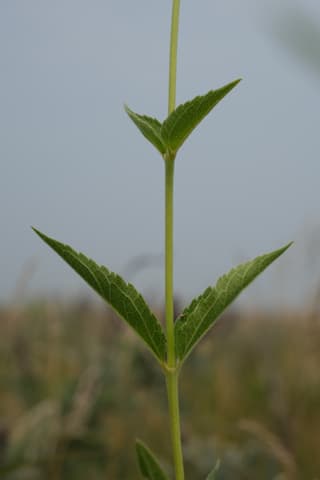
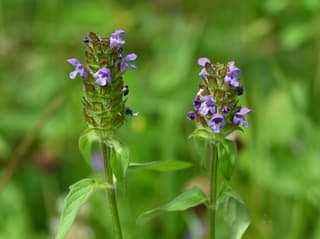
Self-Heal
466
★ 82%

Self-Heal

Prunella vulgaris

Easy 💧 12 days 🌡️ 5°C - 35°C
Kentucky bluegrass
467
★ 82%

Kentucky bluegrass

Poa pratensis

Medium 💧 5 days 🌡️ -30°C - 29°C
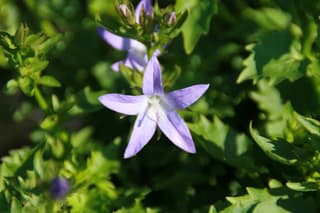
Serbian Bellflower
468
★ 82%

Serbian Bellflower

Campanula poscharskyana

Easy 💧 7 days 🌡️ -20°C - 25°C

Ideal Pet Safe for Loro Ciuffenna's Climate

Loro Ciuffenna has an average temperature of 13.2°C and humidity of 74.9%, conditions that directly influence which pet safe best adapt to the local environment.

How to Grow Pet Safe in Loro Ciuffenna

To successfully grow pet safe in Loro Ciuffenna, consider that the average temperature of 13.2°C and humidity of 74.9% create a specific microclimate. High humidity favors tropical species, but requires attention to ventilation to prevent fungal issues.

Advantages of Choosing Adapted Pet Safe

Pet Safe adapted to Loro Ciuffenna's climate show greater resistance, healthy growth, and less need for interventions.