500 Best Plants for Little Burnt Bay | 2026 Guide - Page 5
Discover the 500 ideal plants for Little Burnt Bay's climate. Average temp: 5.7°C, Humidity: 80.2%.
Top 500 Plants for Little Burnt Bay
Showing 145-180 of 500
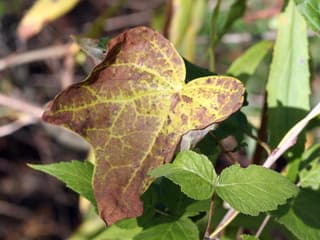
Moonseed
Menispermum canadense
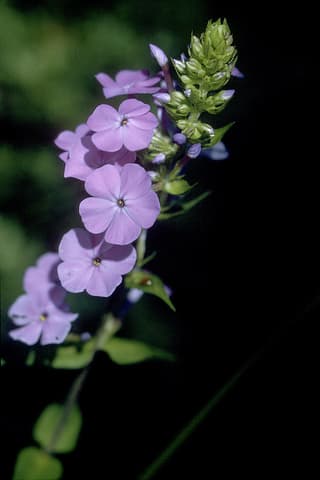
Wild Sweet William
Phlox maculata
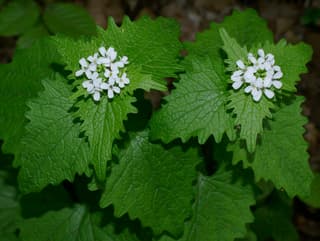
Garlic Mustard
Alliaria petiolata
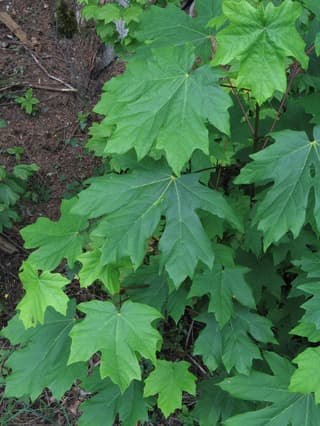
Bigleaf maple
Acer macrophyllum
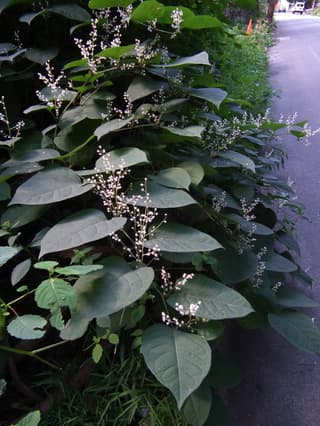
Bohemian knotweed
Reynoutria × bohemica
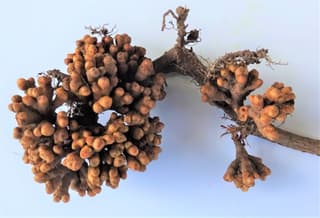
Alder
Alnus
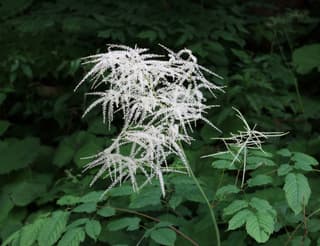
Goat's Beard
Aruncus dioicus
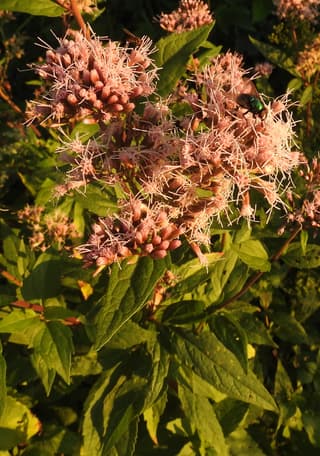
Boneset
Eupatorium
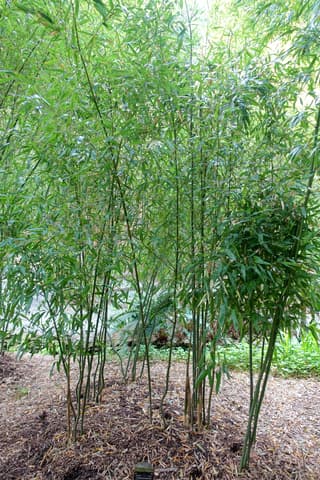
Yellow Groove Bamboo
Phyllostachys aureosulcata
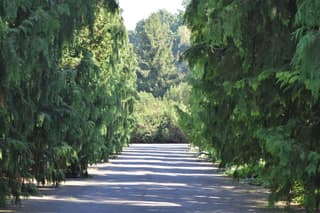
Lawson's Cypress
Chamaecyparis lawsoniana
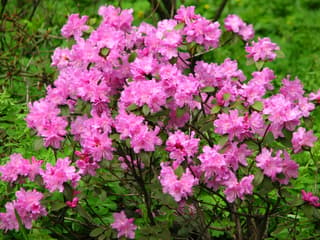
Rhododendron
Rhododendron
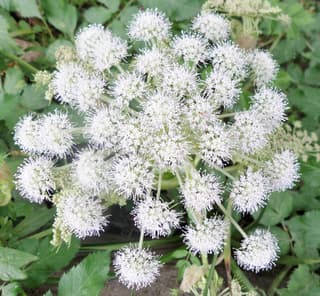
Wild Angelica
Angelica sylvestris
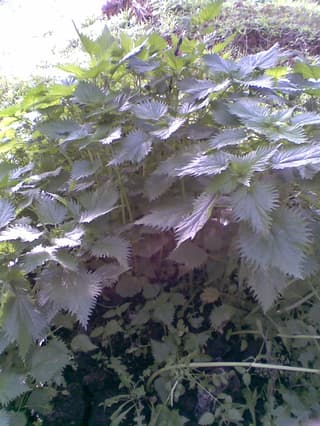
Stinging Nettle
Urtica dioica
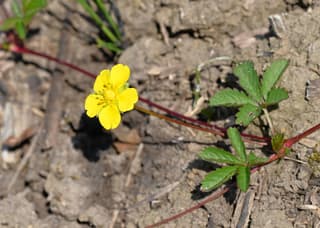
Creeping Cinquefoil
Potentilla reptans
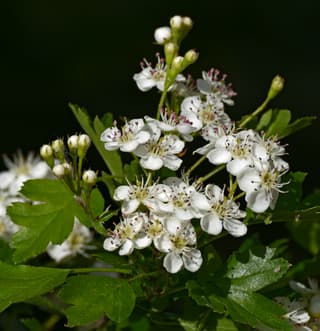
Common Hawthorn
Crataegus monogyna
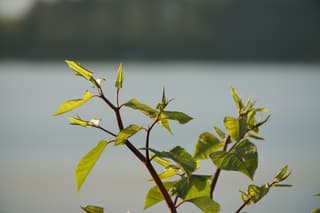
Knotweed
Reynoutria
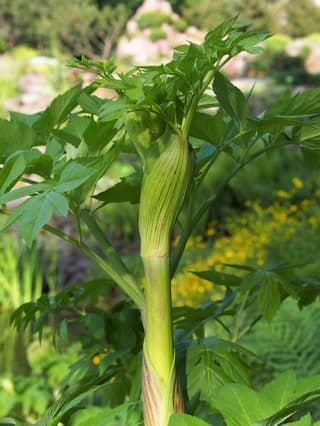
Angelica
Angelica
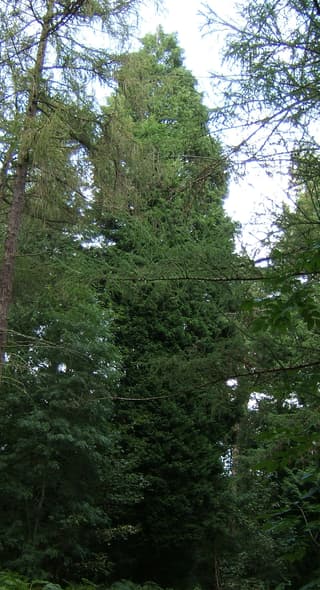
Leyland Cypress
× Hesperotropsis leylandii
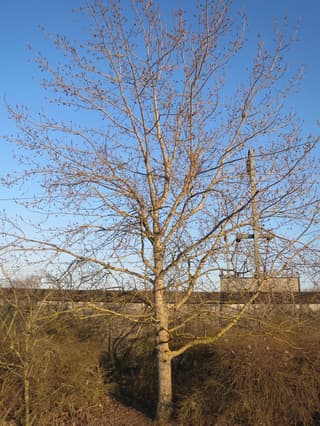
Poplar
Populus
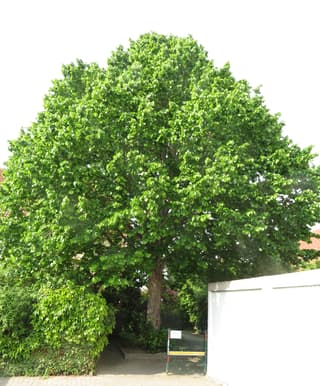
Common Hazel
Corylus avellana
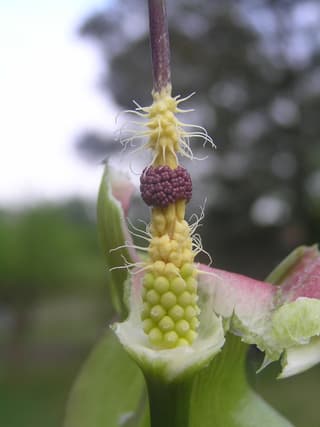
Danish Arum
Arum cylindraceum
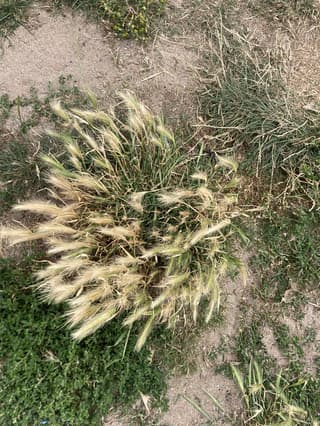
Wall barley
Hordeum murinum

Silver Birch
Betula pendula
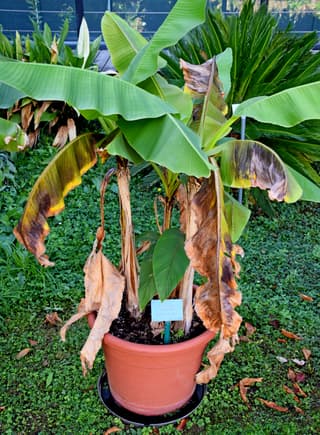
Japanese Banana
Musa basjoo
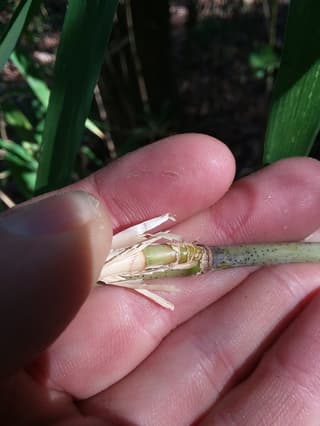
Switch cane
Arundinaria tecta
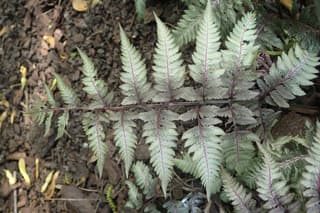
Japanese Painted Fern
Athyrium niponicum
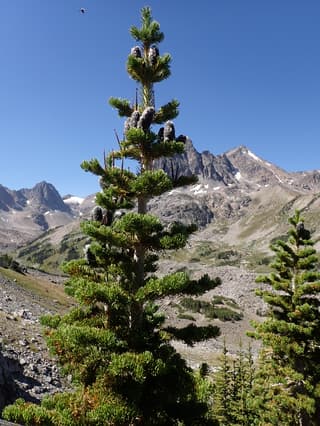
Subalpine Fir
Abies lasiocarpa
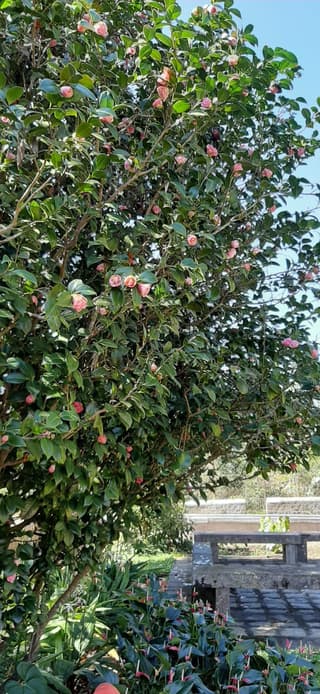
Sasanqua Camellia
Camellia sasanqua
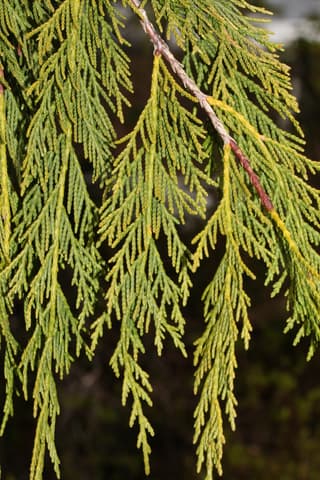
Nootka Cypress
Callitropsis nootkatensis
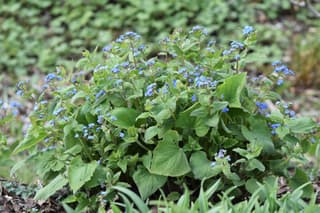
Siberian Bugloss
Brunnera macrophylla
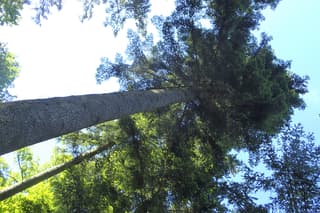
Nordmann fir
Abies nordmanniana
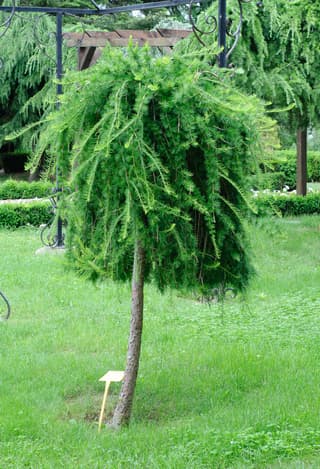
European Larch
Larix decidua
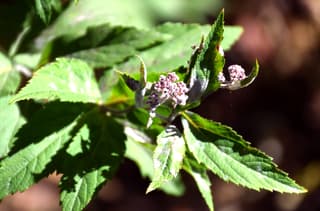
Willowleaf Spiraea
Spiraea salicifolia
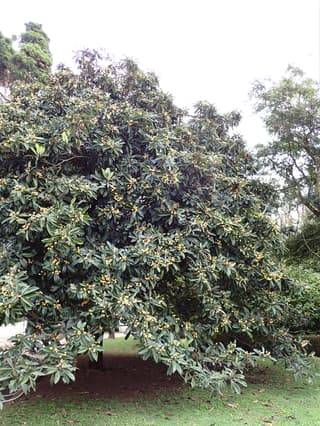
Loquat
Rhaphiolepis bibas
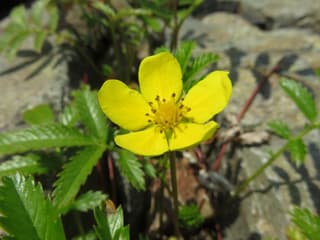
Silverweed
Argentina anserina
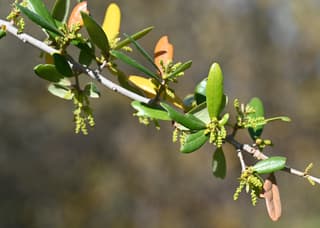
Southern Live Oak
Quercus virginiana
Little Burnt Bay Climate for Plant Growing
Little Burnt Bay has a climate with an average annual temperature of 5.7°C and average relative humidity of 80.2%. These climate conditions are ideal for various species of ornamental and fruit plants.
Tips for Growing Plants in Little Burnt Bay
To succeed in growing plants in Little Burnt Bay, consider the average temperature of 5.7°C when choosing your species. Protect cold-sensitive plants during winter. High humidity favors tropical plants, but watch for fungal issues.
Why Choose Plants Adapted to the Local Climate?
Plants adapted to Little Burnt Bay's climate require less care, consume less water, and are more likely to thrive. Our selection considers the compatibility between each species' needs and local climate conditions, including temperature (5.7°C) and humidity (80.2%).