364 Best Succulents for Lagoa da Prata | 2026 Guide - Page 4
The 364 best succulents to grow in Lagoa da Prata. Ideal climate: 22.7°C, 66.7% humidity.
364 Succulents for Lagoa da Prata
Showing 109-144 of 364
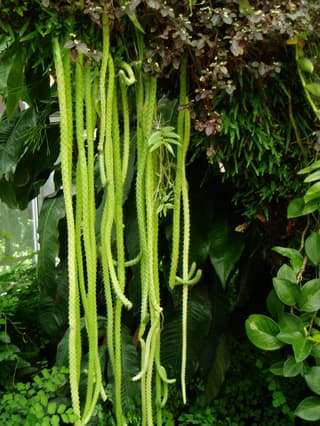
Rat Tail Cactus
Disocactus flagelliformis
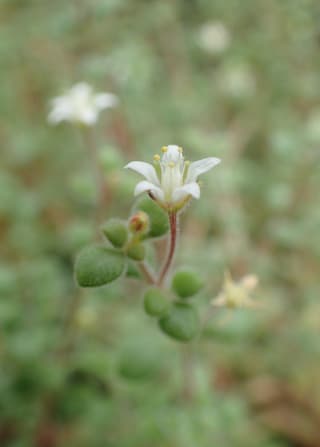
Fragile Crassula
Crassula expansa subsp. fragilis
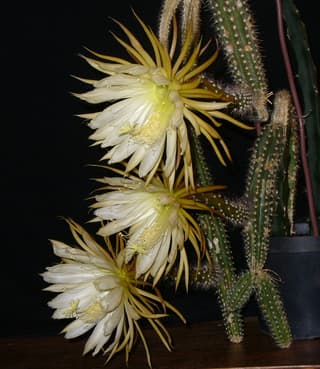
Moonlight Cactus
Selenicereus validus
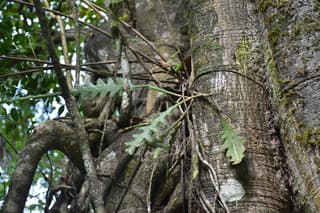
Fishbone Cactus
Disocactus anguliger
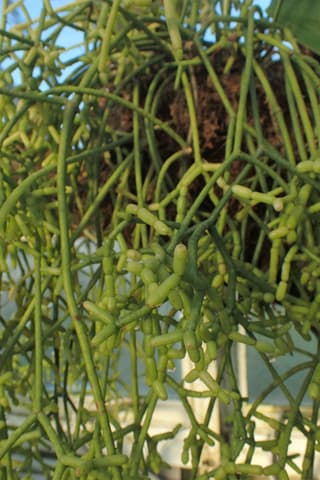
Rice Cactus
Rhipsalis cereuscula
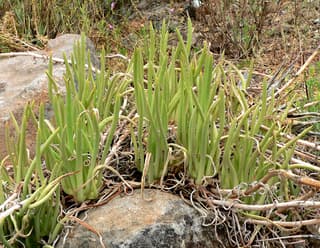
Fingertips
Dudleya edulis
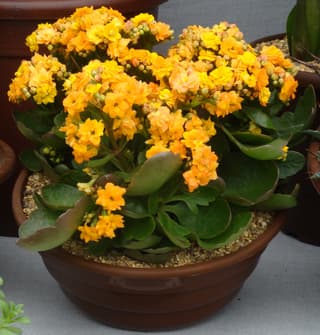
Calandiva
Kalanchoe calandiva
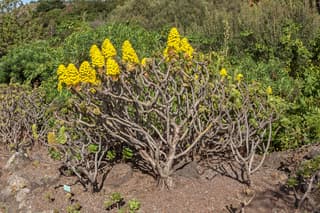
Tree Aeonium
Aeonium arboreum

Night-blooming Cereus
Selenicereus
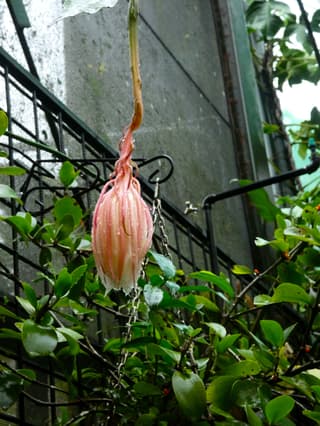
Orchid Cactus
Epiphyllum
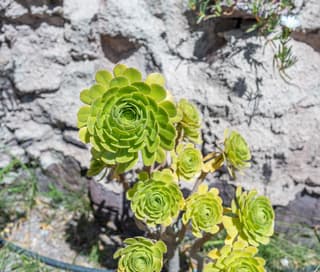
Stalked Aeonium
Aeonium undulatum
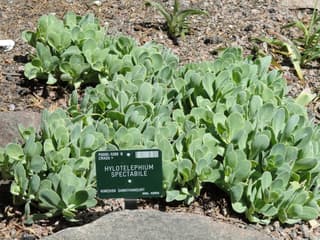
Showy Stonecrop
Sedum spectabile
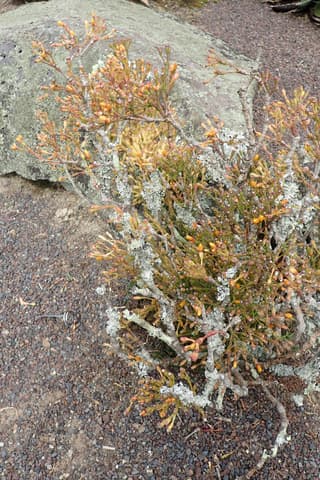
Dancing bones cactus
Hatiora salicornioides
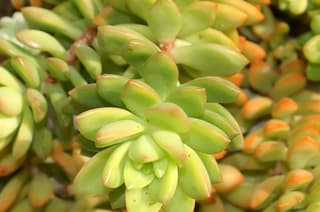
Golden Sedum
Sedum adolphi
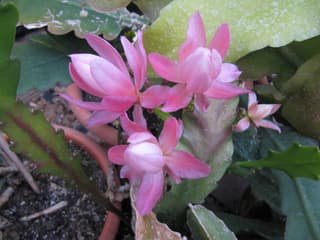
German Empress
Disocactus phyllanthoides
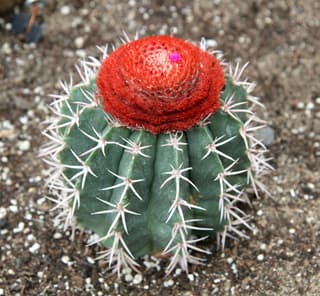
Turk's Cap Cactus
Melocactus zehntneri
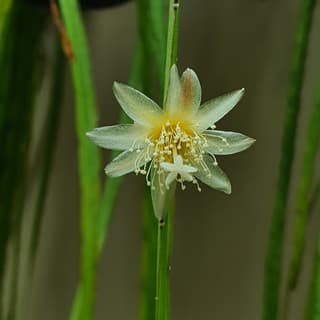
Bolivian Forest Cactus
Pfeiffera boliviana
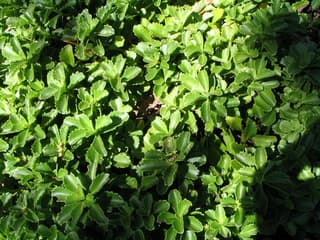
Kamchatka Stonecrop
Phedimus kamtschaticus
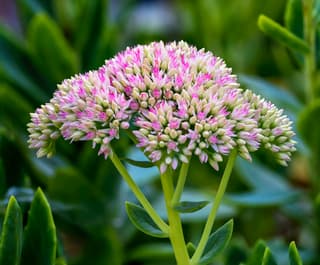
Autumn Joy Sedum
Hylotelephium

Flaming Katy
Kalanchoe blossfeldiana
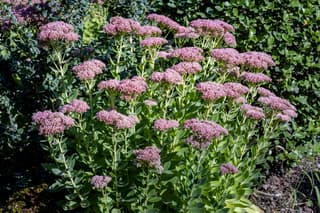
Orpine
Hylotelephium telephium
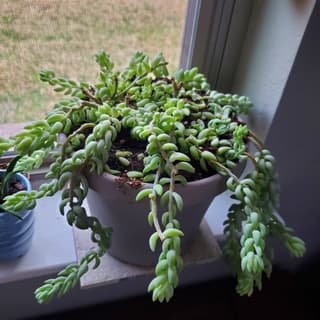
Stonecrop (genus)
Sedum
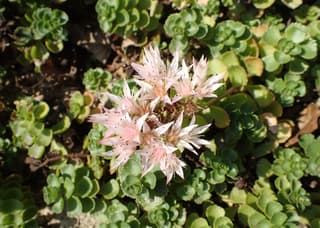
Two-row Stonecrop
Phedimus spurius
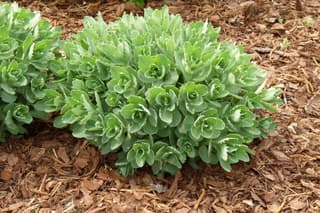
Showy Stonecrop
Hylotelephium spectabile
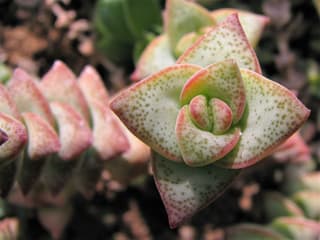
String of Buttons
Crassula perforata
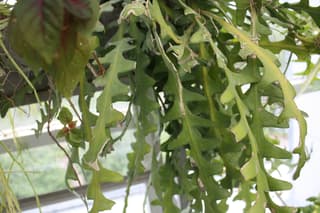
Ric Rac Cactus
Selenicereus anthonyanus
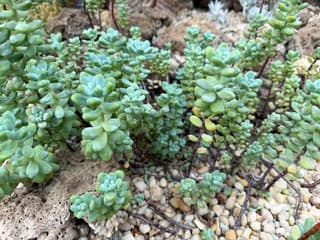
Jelly Bean Plant
Sedum pachyphyllum
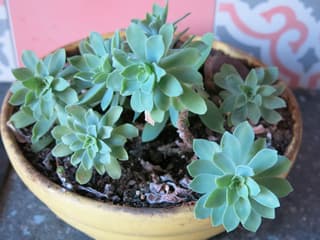
Aeonium
Aeonium
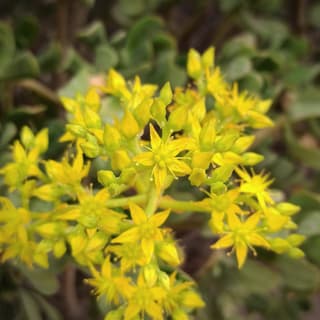
Tree Stonecrop
Sedum dendroideum
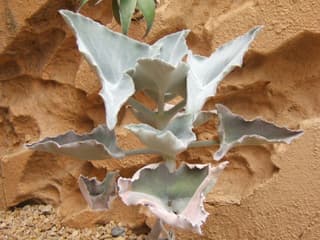
Velvet Elephant Ear
Kalanchoe beharensis
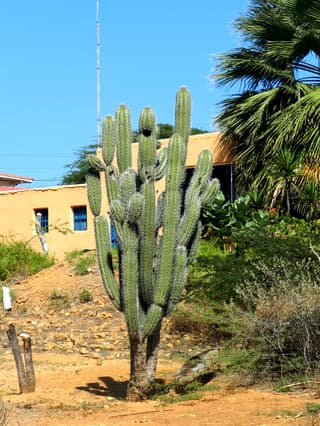
Peruvian Apple Cactus
Cereus repandus
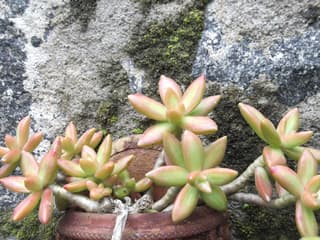
Golden Sedum
Sedum adolphii
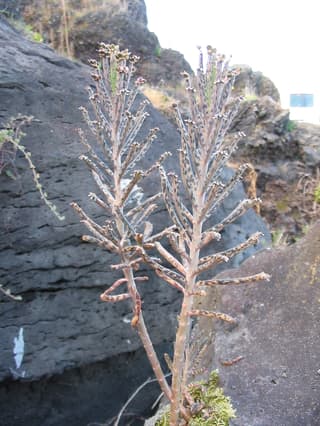
Mother of Millions
Kalanchoe delagoensis
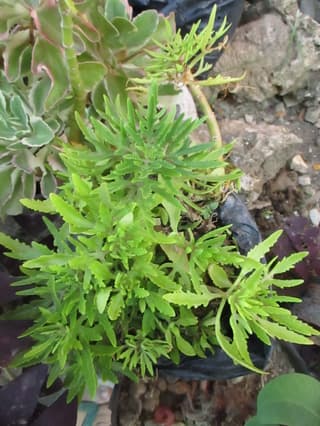
Horned-leaf Kalanchoe
Kalanchoe ceratophylla
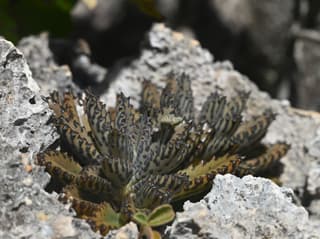
Mother of Millions Hybrid
Kalanchoe × houghtonii
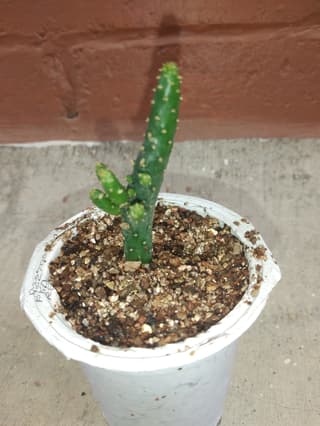
Tuna Prickly Pear
Opuntia tuna
Ideal Succulents for Lagoa da Prata's Climate
Lagoa da Prata has an average temperature of 22.7°C and humidity of 66.7%, conditions that directly influence which succulents best adapt to the local environment.
How to Grow Succulents in Lagoa da Prata
To successfully grow succulents in Lagoa da Prata, consider that the average temperature of 22.7°C and humidity of 66.7% create a specific microclimate. Moderate humidity is favorable for most species in this category.
Advantages of Choosing Adapted Succulents
Succulents adapted to Lagoa da Prata's climate show greater resistance, healthy growth, and less need for interventions.