Bloom
🌿

500 Best Pet Safe for Kils kommun | 2026 Guide - Page 9

The 500 best pet safe to grow in Kils kommun. Ideal climate: 6.7°C, 78.7% humidity.

🌡️ 6.7°C
💧 78.7%

500 Pet Safe for Kils kommun

Showing 289-324 of 500
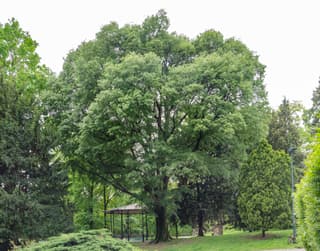
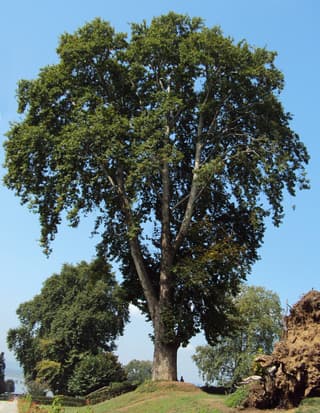
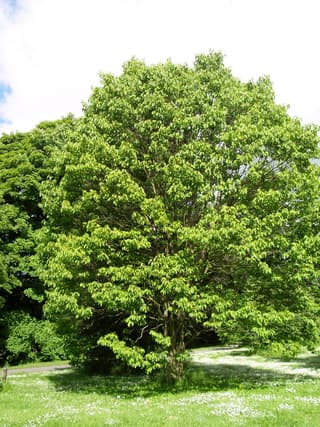
European Nettle Tree
289
★ 80%

European Nettle Tree

Celtis australis
Easy 💧 14 days 🌡️ -15°C - 40°C
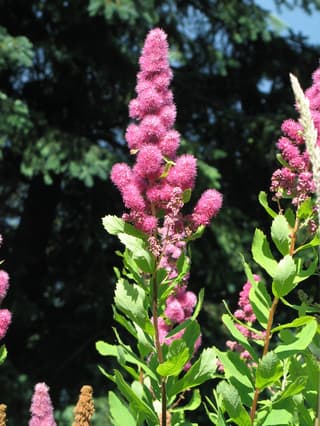
Douglas Spirea
290
★ 80%

Douglas Spirea

Spiraea douglasii

Easy 💧 3 days 🌡️ -10°C - 29°C
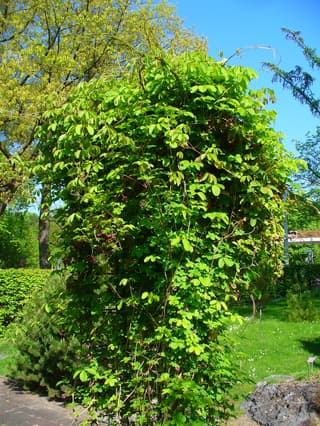
Chocolate Vine
291
★ 80%

Chocolate Vine

Akebia quinata

Easy 💧 7 days 🌡️ -29°C - 35°C
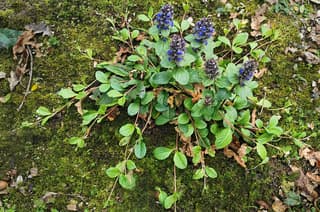
Bugleweed
292
★ 80%

Bugleweed

Ajuga

Easy 💧 7 days 🌡️ -35°C - 35°C
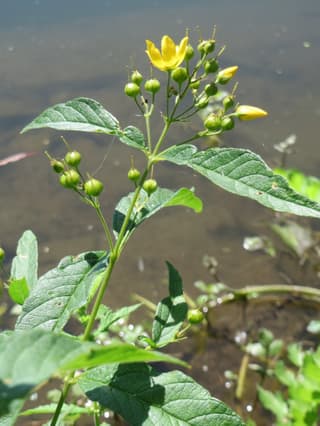
Loosestrife
293
★ 80%

Loosestrife

Lysimachia

Easy 💧 4 days 🌡️ -10°C - 30°C
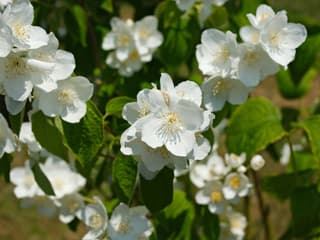
Scentless Mock Orange
294
★ 80%

Scentless Mock Orange

Philadelphus inodorus
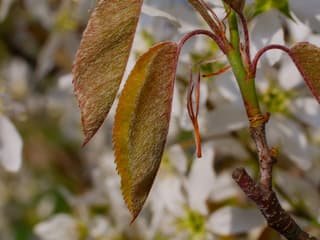
Easy 💧 7 days 🌡️ -30°C - 35°C
Juneberry
295
★ 80%

Juneberry

Amelanchier × lamarckii

Easy 💧 7 days 🌡️ -30°C - 35°C
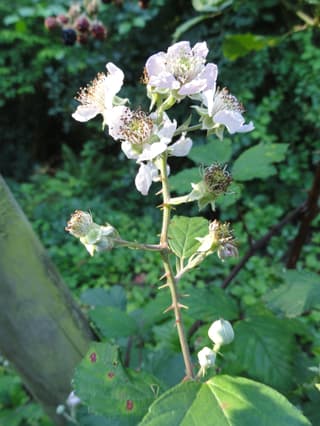
Himalayan Blackberry
296
★ 80%

Himalayan Blackberry

Rubus bifrons

Easy 💧 7 days 🌡️ -15°C - 35°C
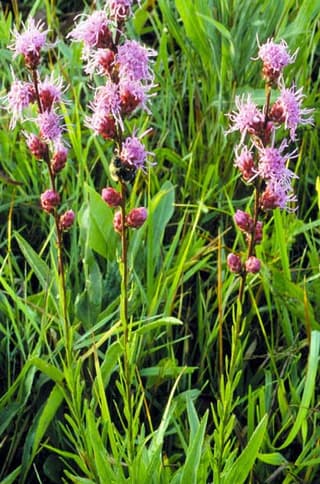
Rough Blazing Star
297
★ 80%

Rough Blazing Star

Liatris aspera

Easy 💧 10 days 🌡️ -35°C - 38°C
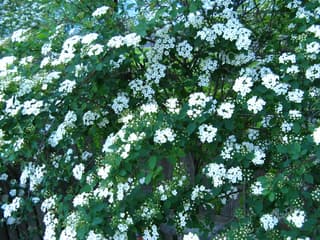
Vanhoutte Spirea
298
★ 80%

Vanhoutte Spirea

Spiraea × vanhouttei
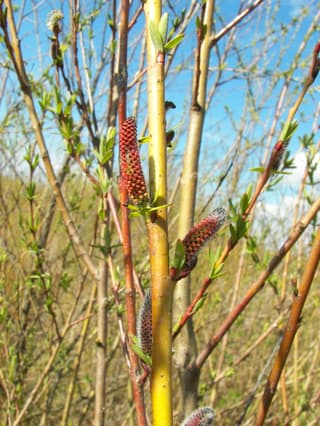
Easy 💧 7 days 🌡️ -34°C - 35°C
Purple Willow
299
★ 80%

Purple Willow

Salix purpurea

Easy 💧 3 days 🌡️ -30°C - 35°C
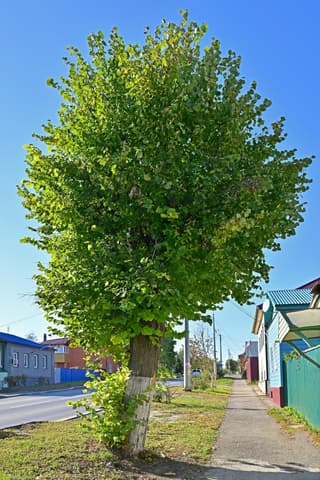
Little-leaf Linden
300
★ 80%

Little-leaf Linden

Tilia cordata

Medium 💧 7 days 🌡️ -34°C - 35°C
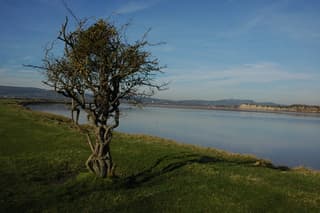
Hawthorn
301
★ 80%

Hawthorn

Crataegus

Easy 💧 7 days 🌡️ -30°C - 35°C
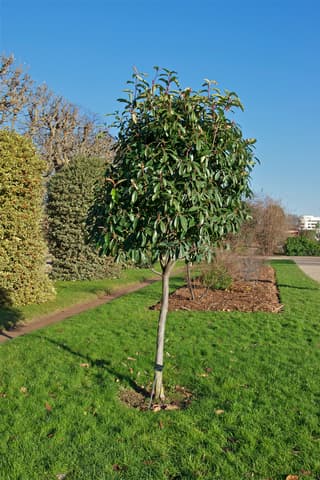
Chinese Photinia
302
★ 80%

Chinese Photinia

Photinia serratifolia
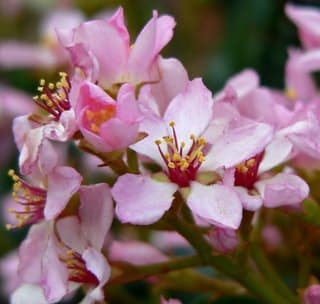
Easy 💧 14 days 🌡️ -15°C - 38°C
Indian Hawthorn
303
★ 80%

Indian Hawthorn

Rhaphiolepis

Easy 💧 14 days 🌡️ -12°C - 35°C
Oriental Plane
304
★ 80%

Oriental Plane

Platanus orientalis

Easy 💧 10 days 🌡️ -15°C - 40°C
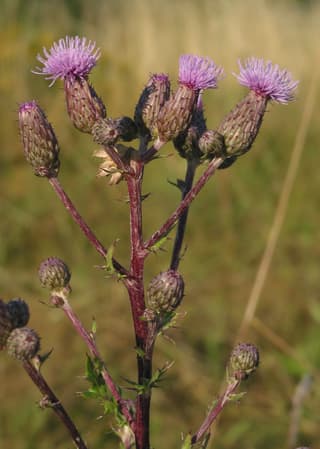
Creeping Thistle
305
★ 80%

Creeping Thistle

Cirsium arvense

Easy 💧 14 days 🌡️ -30°C - 35°C
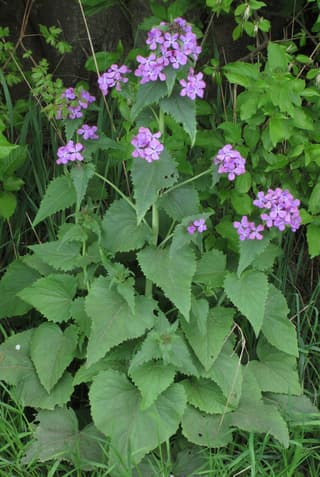
Honesty
306
★ 80%

Honesty

Lunaria annua

Easy 💧 7 days 🌡️ -25°C - 30°C
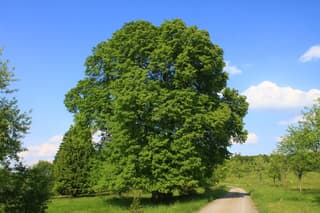
Large-leaved Lime
307
★ 80%

Large-leaved Lime

Tilia platyphyllos

Easy 💧 14 days 🌡️ -34°C - 35°C
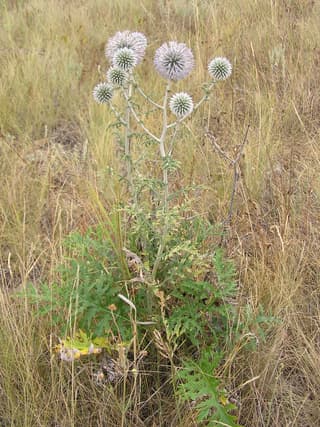
Globe thistle
308
★ 80%

Globe thistle

Echinops sphaerocephalus
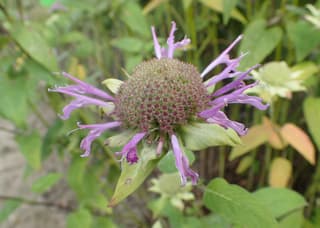
Easy 💧 10 days 🌡️ -30°C - 35°C
Scarlet Bee Balm
309
★ 80%

Scarlet Bee Balm

Monarda didyma

Easy 💧 7 days 🌡️ -30°C - 35°C
Kobus Magnolia
310
★ 80%

Kobus Magnolia

Magnolia kobus

Medium 💧 7 days 🌡️ -29°C - 35°C
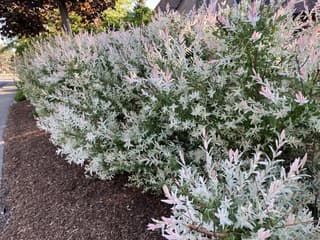
Dappled Willow
311
★ 80%

Dappled Willow

Salix integra

Medium 💧 7 days 🌡️ -25°C - 32°C
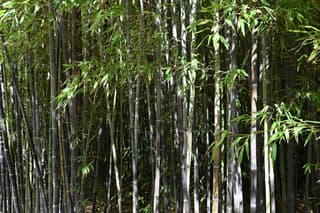
Black bamboo
312
★ 80%

Black bamboo

Phyllostachys nigra

Medium 💧 7 days 🌡️ -15°C - 35°C
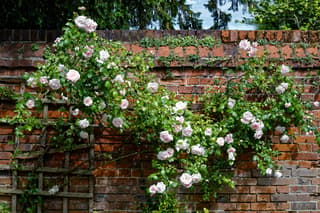
Nice Day Rose
313
★ 80%

Nice Day Rose

Rosa 'CHEWNICEBELL'

Medium 💧 3 days 🌡️ -15°C - 35°C
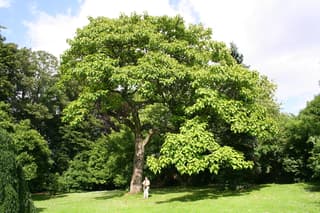
Empress Tree / Princess Tree (genus)
314
★ 80%

Empress Tree / Princess Tree (genus)

Paulownia
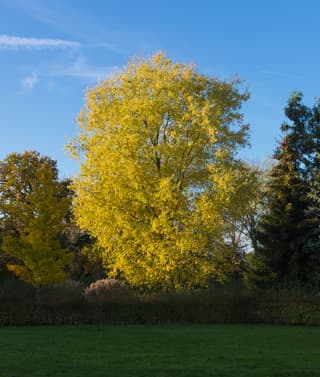
Easy 💧 7 days 🌡️ -20°C - 40°C
Silver Maple
315
★ 80%

Silver Maple

Acer saccharinum

Medium 💧 7 days 🌡️ -30°C - 35°C
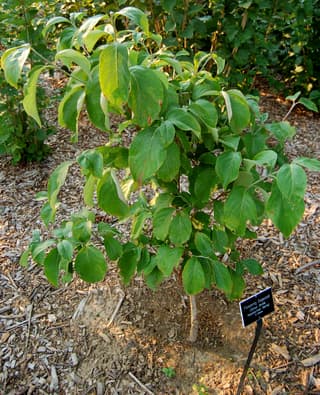
Flowering Dogwood
316
★ 80%

Flowering Dogwood

Cornus florida

Medium 💧 7 days 🌡️ -15°C - 35°C
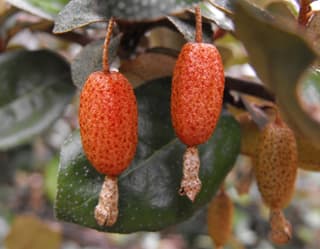
Thorny Olive
317
★ 80%

Thorny Olive

Elaeagnus pungens

Easy 💧 14 days 🌡️ -15°C - 38°C
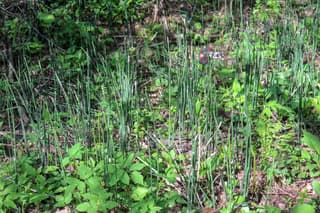
Horsetail
318
★ 80%

Horsetail

Equisetum spp

Easy 💧 3 days 🌡️ -30°C - 30°C
Japanese Raisin Tree
319
★ 80%

Japanese Raisin Tree

Hovenia dulcis

Easy 💧 14 days 🌡️ -15°C - 35°C
False Sunflower
320
★ 79%

False Sunflower

Heliopsis helianthoides
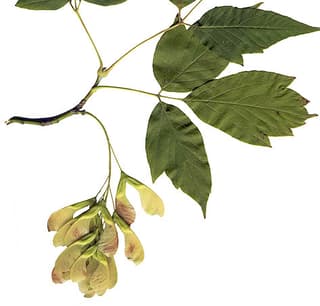
Easy 💧 7 days 🌡️ -40°C - 35°C
Boxelder
321
★ 79%

Boxelder

Acer negundo

Medium 💧 14 days 🌡️ -40°C - 35°C
Max Chrysanthemum
322
★ 79%

Max Chrysanthemum

Leucanthemum maximum
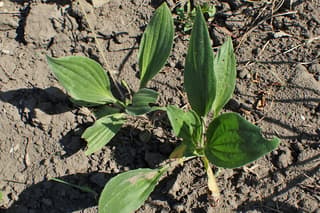
Easy 💧 7 days 🌡️ -34°C - 30°C
Asian Plantain
323
★ 79%

Asian Plantain

Plantago asiatica

Easy 💧 7 days 🌡️ -10°C - 35°C
High mallow
324
★ 79%

High mallow

Malva sylvestris

Easy 💧 5 days 🌡️ -10°C - 35°C

Ideal Pet Safe for Kils kommun's Climate

Kils kommun has an average temperature of 6.7°C and humidity of 78.7%, conditions that directly influence which pet safe best adapt to the local environment.

How to Grow Pet Safe in Kils kommun

To successfully grow pet safe in Kils kommun, consider that the average temperature of 6.7°C and humidity of 78.7% create a specific microclimate. High humidity favors tropical species, but requires attention to ventilation to prevent fungal issues.

Advantages of Choosing Adapted Pet Safe

Pet Safe adapted to Kils kommun's climate show greater resistance, healthy growth, and less need for interventions.