500 Best Plants for Bom Jesus do Itabapoana | 2026 Guide - Page 13
Discover the 500 ideal plants for Bom Jesus do Itabapoana's climate. Average temp: 24.2°C, Humidity: 76.2%.
Top 500 Plants for Bom Jesus do Itabapoana
Showing 433-468 of 500
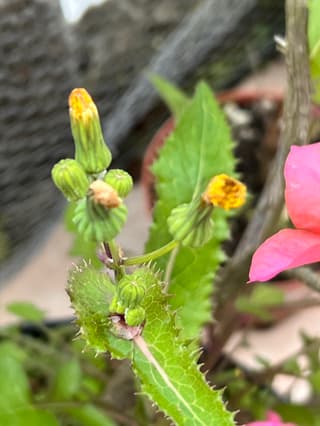
Sow Thistle
Sonchus
Tree of Heaven
Ailanthus altissima
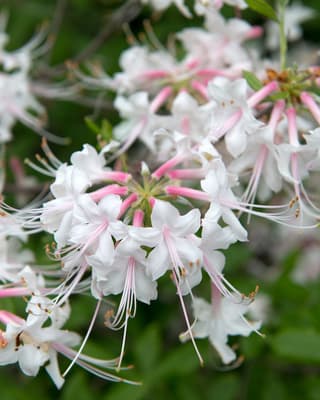
Alabama azalea
Rhododendron alabamense
Asian Plantain
Plantago asiatica
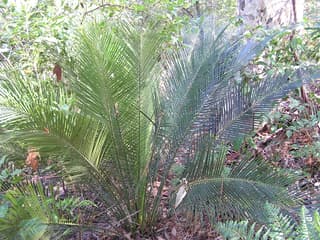
Burrawang
Macrozamia
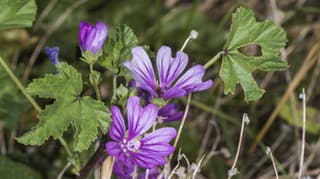
High mallow
Malva sylvestris
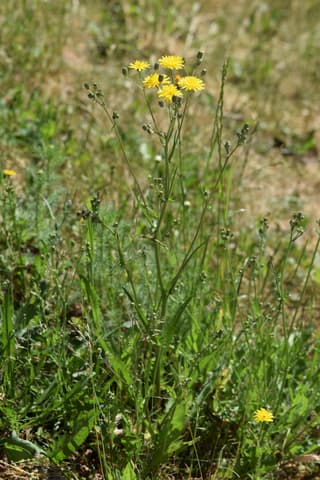
smooth hawksbeard
Crepis capillaris
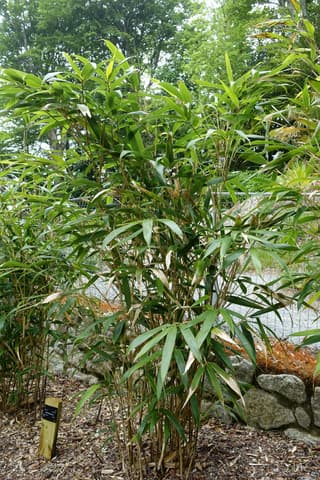
Arrow Bamboo
Pseudosasa japonica
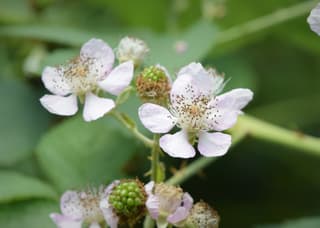
Himalayan Blackberry
Rubus armeniacus
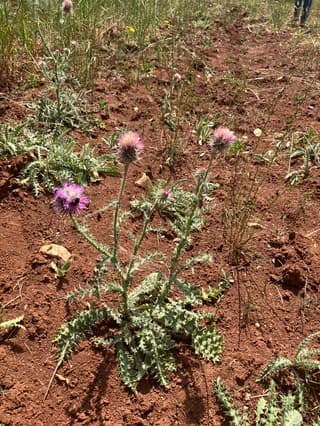
Musk Thistle
Carduus nutans
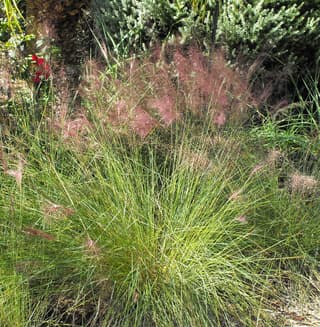
Pink Muhly Grass
Muhlenbergia capillaris
Pavement mushroom
Agaricus bitorquis
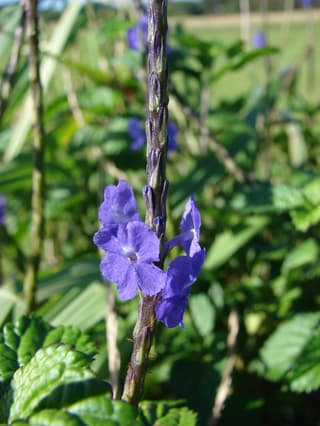
Blue Snakeweed
Stachytarpheta cayennensis
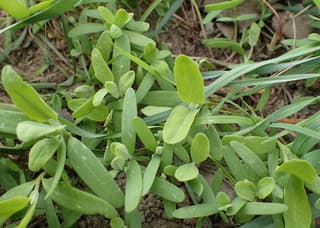
Common Orache
Atriplex patula
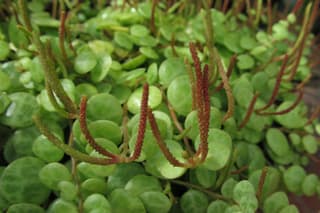
String of Turtles
Peperomia prostrata
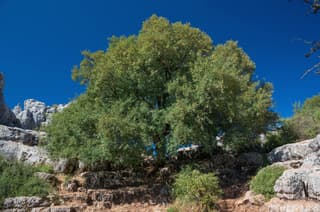
Montpellier maple
Acer monspessulanum
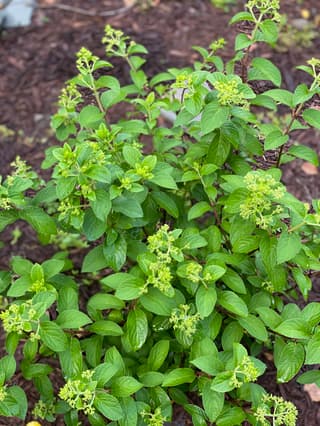
Mountain Hydrangea
Hydrangea serrata
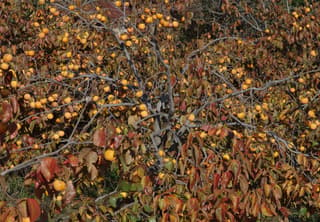
Japanese Persimmon
Diospyros kaki
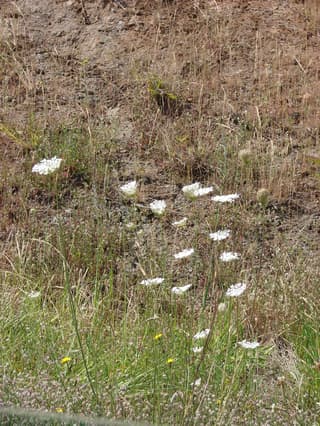
Wild Carrot
Daucus
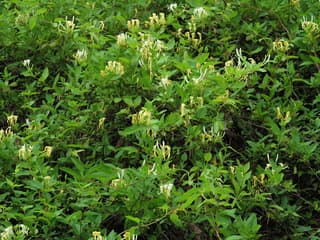
Japanese Honeysuckle
Lonicera japonica
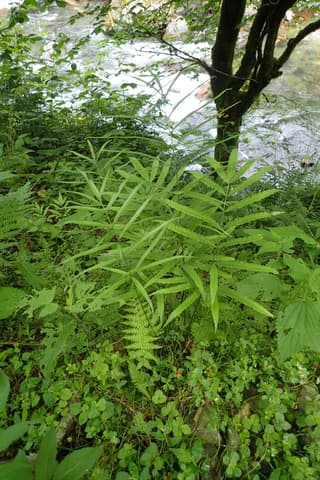
Brake Fern
Pteris
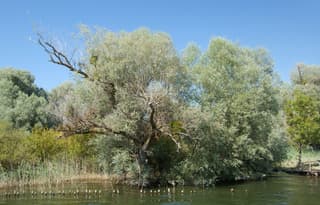
Willow
Salix
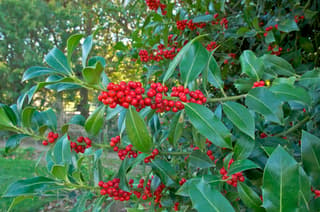
Holly
Ilex
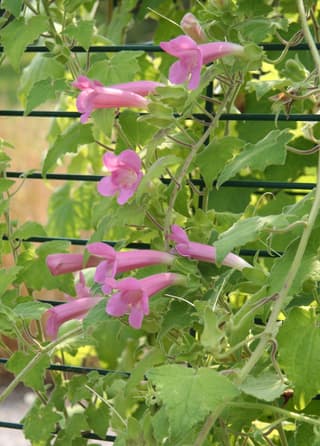
Climbing Snapdragon
Lophospermum erubescens
Mallow
Malva
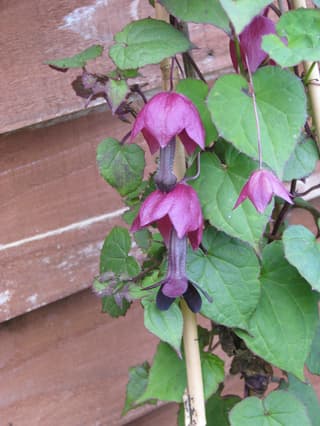
Purple Bells
Rhodochiton atrosanguineus
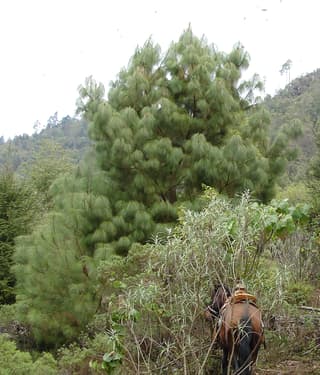
Smooth-bark Mexican Pine
Pinus pseudostrobus
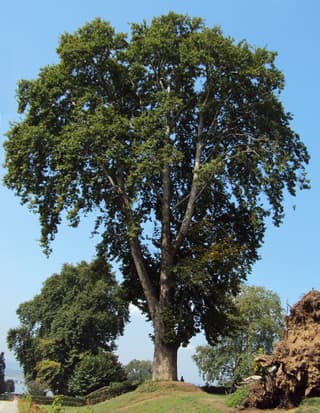
Plane Tree
Platanus
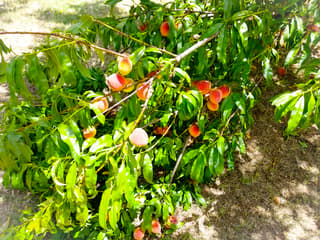
Peach Tree
Prunus persica
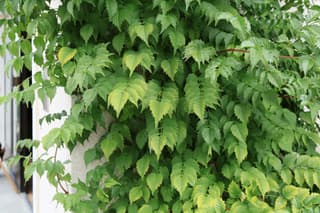
Trumpet Vine
Campsis × tagliabuana
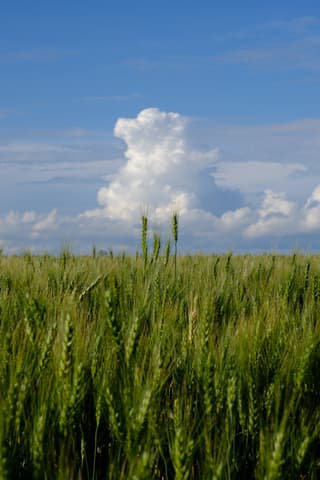
Common wheat
Triticum aestivum
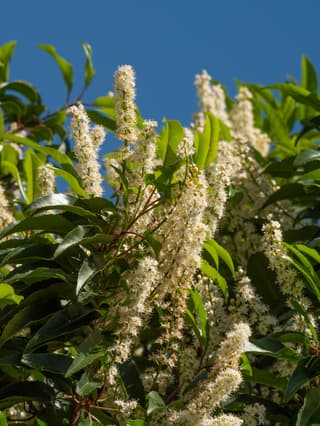
Portuguese Laurel
Prunus lusitanica
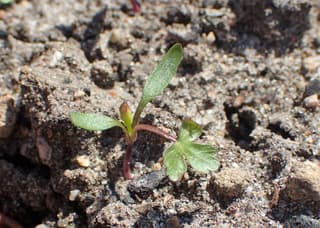
Fool's Parsley
Aethusa cynapium
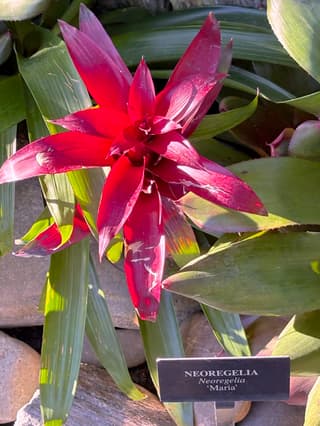
Blushing Bromeliad
Neoregelia
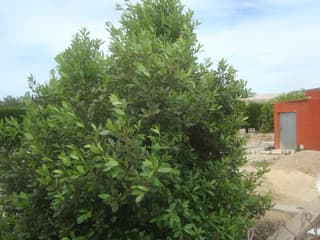
Bay Laurel
Laurus nobilis
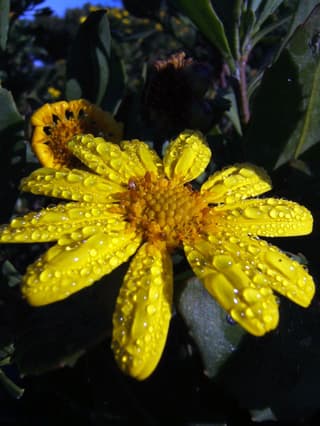
Bietou
Osteospermum moniliferum
Bom Jesus do Itabapoana Climate for Plant Growing
Bom Jesus do Itabapoana has a climate with an average annual temperature of 24.2°C and average relative humidity of 76.2%. These climate conditions are ideal for various species of ornamental and fruit plants.
Tips for Growing Plants in Bom Jesus do Itabapoana
To succeed in growing plants in Bom Jesus do Itabapoana, consider the average temperature of 24.2°C when choosing your species. The temperate climate allows you to grow a wide variety of species. High humidity favors tropical plants, but watch for fungal issues.
Why Choose Plants Adapted to the Local Climate?
Plants adapted to Bom Jesus do Itabapoana's climate require less care, consume less water, and are more likely to thrive. Our selection considers the compatibility between each species' needs and local climate conditions, including temperature (24.2°C) and humidity (76.2%).