500 Best Easy Care for Barcellona Pozzo di Gotto | 2026 Guide - Page 14
The 500 best easy care to grow in Barcellona Pozzo di Gotto. Ideal climate: 18.3°C, 71.4% humidity.
500 Easy Care for Barcellona Pozzo di Gotto
Showing 469-500 of 500
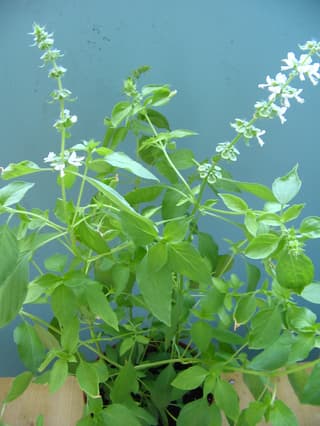
Lemon Basil
Ocimum × citriodorum
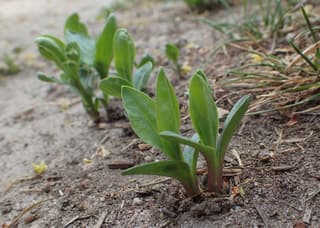
Soapwort
Saponaria officinalis
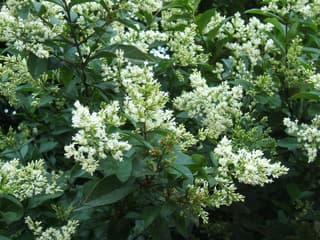
California Privet
Ligustrum ovalifolium
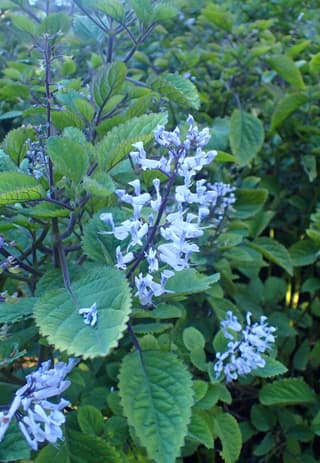
Speckled Spur-Flower
Plectranthus ciliatus
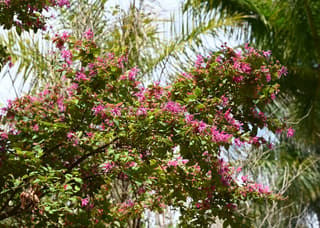
Chinese Fringe Flower
Loropetalum chinense
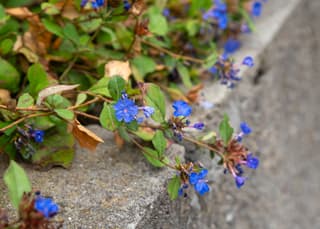
Hardy Plumbago
Ceratostigma plumbaginoides
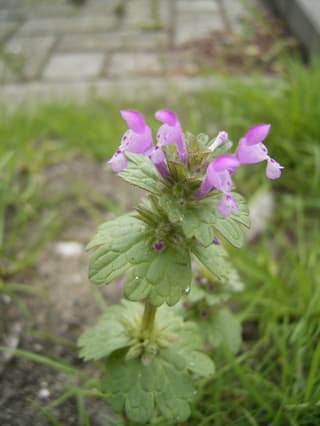
Henbit Dead-nettle
Lamium amplexicaule
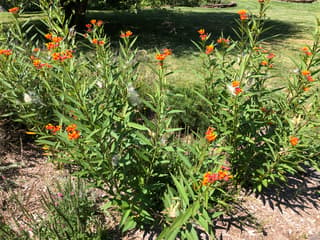
Tropical Milkweed
Asclepias curassavica
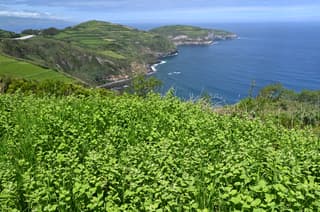
Pineapple Mint
Mentha suaveolens
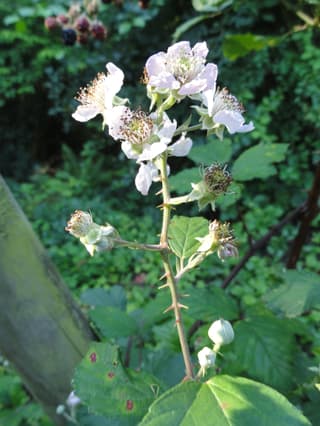
Himalayan Blackberry
Rubus bifrons
Cast Iron Plant
Aspidistra lurida
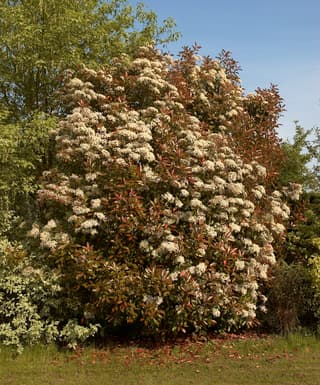
Red Tip Photinia
Photinia × fraseri
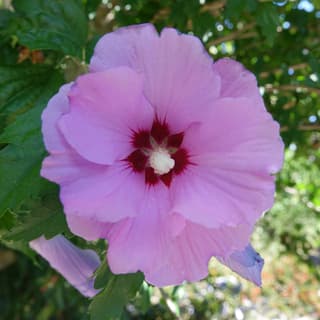
Rose of Sharon
Hibiscus syriacus
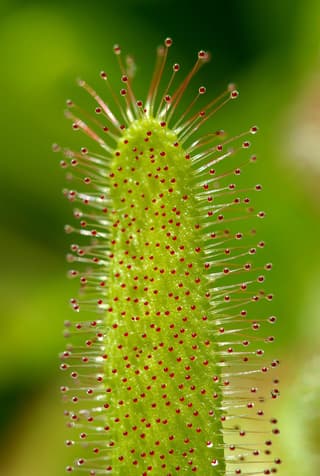
Cape Sundew
Drosera capensis
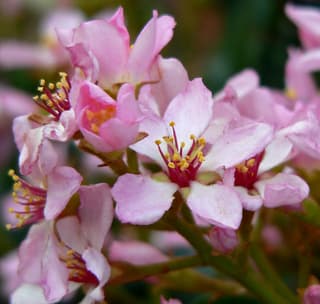
Indian Hawthorn
Rhaphiolepis
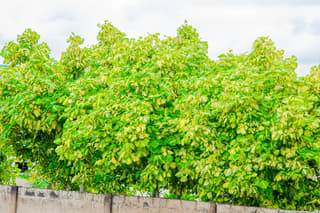
Southern Catalpa
Catalpa bignonioides

Arugula
Eruca vesicaria
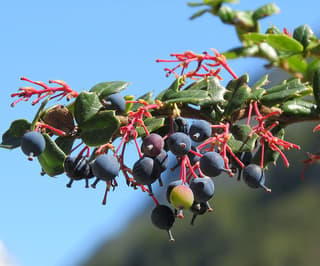
Darwin's barberry
Berberis darwinii
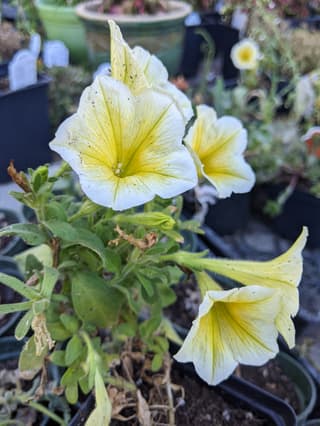
Garden Petunia
Petunia x hybrida
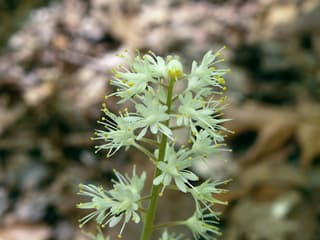
Foamflower
Tiarella cordifolia
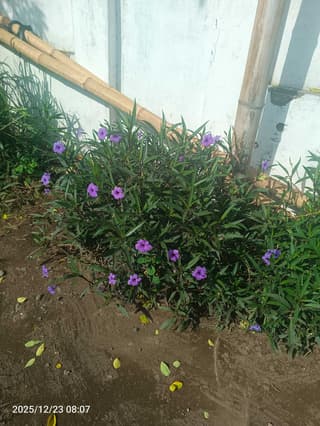
Wild Petunia
Ruellia
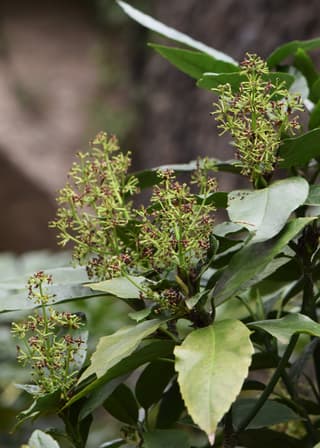
Japanese Laurel / Spotted Laurel (genus)
Aucuba

Willowherb / Fireweed (genus)
Epilobium
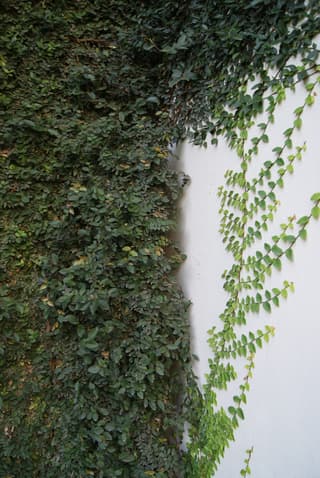
Creeping Fig
Ficus pumila
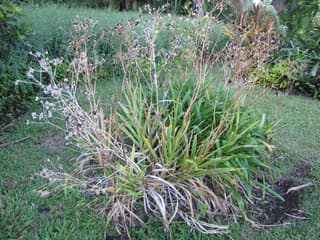
Blackberry Lily
Belamcanda chinensis
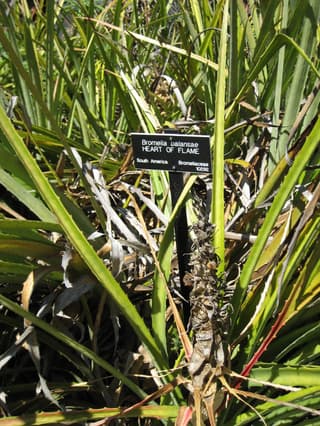
Heart of Flame
Bromelia balansae
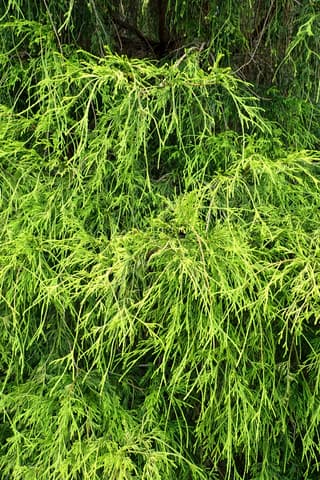
Golden Thread Cypress
Chamaecyparis pisifera filifera aurea
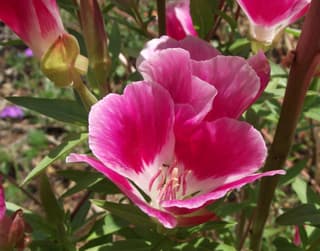
Farewell to Spring
Clarkia amoena
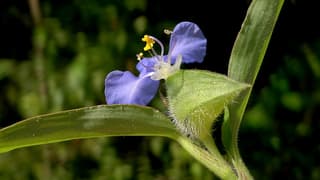
Whitemouth Dayflower
Commelina erecta
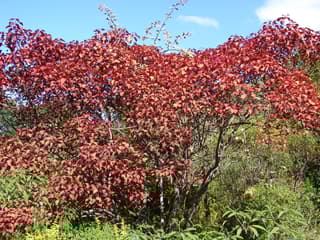
Caribbean Copper Plant
Euphorbia cotinifolia
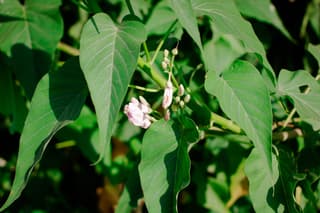
Bush Morning Glory
Ipomoea carnea
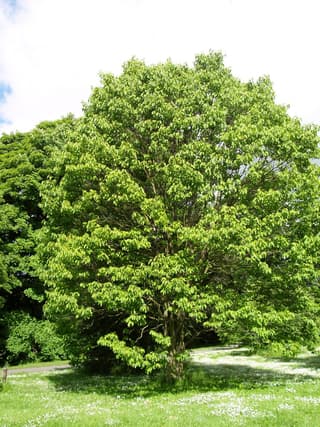
Japanese Raisin Tree
Hovenia dulcis
Ideal Easy Care for Barcellona Pozzo di Gotto's Climate
Barcellona Pozzo di Gotto has an average temperature of 18.3°C and humidity of 71.4%, conditions that directly influence which easy care best adapt to the local environment.
How to Grow Easy Care in Barcellona Pozzo di Gotto
To successfully grow easy care in Barcellona Pozzo di Gotto, consider that the average temperature of 18.3°C and humidity of 71.4% create a specific microclimate. High humidity favors tropical species, but requires attention to ventilation to prevent fungal issues.
Advantages of Choosing Adapted Easy Care
Easy Care adapted to Barcellona Pozzo di Gotto's climate show greater resistance, healthy growth, and less need for interventions.