Orchidaceae
Giant Orchid (Grammatophyllum)
Grammatophyllum
A large, demanding tropical orchid: it needs plenty of light (shaded from harsh midday sun), warmth all year (22-30 C by day, 18-24 C at night), 50-80% humidity and a very coarse, airy mix. Water heavily during growth, let it approach dryness between waterings and cut back in winter. Feed weakly every week while growing. It takes years to bloom and needs room.
Every 4 days
Bright indirect
18° - 30°C
50% - 80%
Categories
What is Giant orchid (Grammatophyllum)?
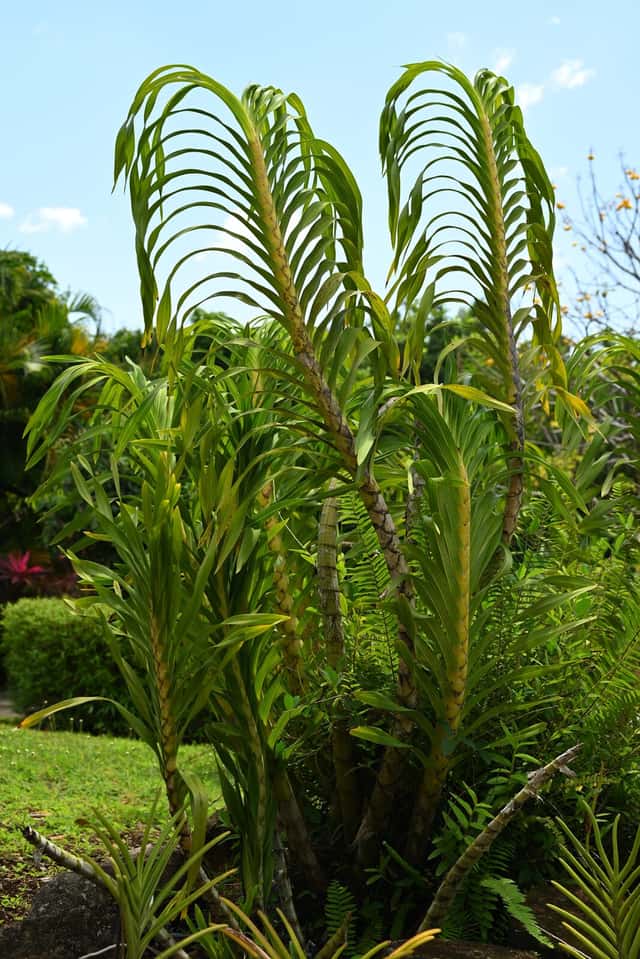
Giant orchid (Grammatophyllum) (Grammatophyllum) is a hard-care plant from the Orchidaceae family. Grammatophyllum is a genus of about 12 epiphytic orchids from Southeast Asia, ranging from Indochina to Indonesia, the Philippines, New Guinea and the Pacific islands. It includes the largest orchid in the world, Grammatophyllum speciosum (giant or tiger orchid), with stems up to 3 m long and clumps...
Giant orchid (Grammatophyllum) grows up to 3.0m, watering every 4 days, 18°C – 30°C, 50–80% humidity. It is suitable for indoor environments and safe for pets.
Unlike easy-care plants, Giant orchid (Grammatophyllum) demands constant attention to humidity and light. Not recommended for beginners. Unlike many popular species, Giant orchid (Grammatophyllum) is safe to keep around pets. Without adequate drainage, root rot can develop within 8 days.
How to Care for Giant orchid (Grammatophyllum)?
TLDR: Giant orchid (Grammatophyllum) needs Bright indirect, watering every 4 days, and temperatures between 18-30°C with 50-80% humidity.
How Often Should You Water Giant orchid (Grammatophyllum)?
During the growing season water generously, especially when flower spikes are emerging, usually every 3-5 days, letting the mix approach dryness before the next watering. Keep it a little drier in winter. Water in the morning so the leaves dry before night, and never leave the pot standing in water. Brown, shrivelled leaf tips mean it is too dry.
How Much Light Does Giant orchid (Grammatophyllum) Need?
It likes strong light, similar to a Cattleya: morning sun is ideal, but direct midday sun burns the leaves. Indoors, use an east window or a very bright window with a sheer curtain. Lime-green leaves show the right light; dark green means too little, yellowing means too much. Without enough light and heat it will not flower.
What Is the Best Soil for Giant orchid (Grammatophyllum)?
Use a very coarse, airy mix: large-grade fir bark, charcoal, lava rock or a blend of these; sphagnum moss also works for young plants. Mature plants do best in wooden baskets or large pots with plenty of drainage. Repot every 2 years in spring, into a container with room for 2-3 years of growth.
What Pot Should You Use for Giant orchid (Grammatophyllum)?
A large clay or plastic pot with many holes, or a wooden basket, with room for 2-3 years of growth; mature G. speciosum is best grown on trees or raised beds in tropical climates.
Care Schedule
Fertilize
Every 7 days
Repot
Every 730 days
What Is Giant orchid (Grammatophyllum) and Where Does It Come From?
Grammatophyllum is a genus of about 12 epiphytic orchids from Southeast Asia, ranging from Indochina to Indonesia, the Philippines, New Guinea and the Pacific islands. It includes the largest orchid in the world, Grammatophyllum speciosum (giant or tiger orchid), with stems up to 3 m long and clumps weighing hundreds of kilograms. In cultivation the most common is G. scriptum, with smaller pseudobulbs and strap-like leaves, which fits in a large pot or basket. The flowers are waxy, yellow-green with reddish-brown tiger-like spots, carried by dozens on long arching spikes. The name comes from Greek gramma (line) and phyllon (leaf), after the parallel leaf veins. Plants take several years to reach flowering size.
How to Propagate Giant orchid (Grammatophyllum)?
Clump division
Larger divisions flower sooner. Sterilise the tool between cuts to avoid spreading fungi and viruses.
- 1 Wait until the plant has many pseudobulbs and divide it when repotting in spring.
- 2 Take the plant out of the pot and clean the old mix from the roots.
- 3 Cut the rhizome with a sterilised tool, leaving at least 3-4 pseudobulbs per division.
- 4 Pot each division in fresh coarse mix, firmly anchored.
- 5 Water sparingly and keep in bright indirect light until new roots appear.
Materials needed:
Laboratory seed sowing
In practice, buy flasked seedlings or young plants from orchid nurseries: seed-raised plants avoid the systemic fungi common in wild-collected plants.
- 1 Orchid seeds have no food reserve and must be sown on sterile culture medium.
- 2 Sowing is done in flasks in a laboratory.
- 3 Seedlings stay in the flask until they have roots and leaves.
- 4 They are then gradually acclimatised before potting.
Materials needed:
How Big Does Giant orchid (Grammatophyllum) Grow?
TLDR: Giant orchid (Grammatophyllum) can reach up to 3.0m tall with Medium growth rate.
Max height
3.0m
Growth rate
Medium
Foliage
Evergreen
Plant Uses
Ornamental
Great for decoration
Is your plant showing symptoms?
Click on the symptom to discover possible causes:
What Diseases Commonly Affect Giant orchid (Grammatophyllum)?
TLDR: Giant orchid (Grammatophyllum) is susceptible to 8 known diseases. Monitor regularly for early detection.
Root Rot
Root rot is a serious fungal disease that affects the root system of plants, causing them to decay and die. It is primarily caused by overwatering, poor drainage, or soil-borne fungi such as Pythium, Phytophthora, Rhizoctonia, and Fusarium. The disease thrives in waterlogged conditions where roots are deprived of oxygen, making them susceptible to fungal infection.
Fungi
Fungi take energy from the plants on which they live, causing damage to the plant. Fungal infections are responsible for approximately two-thirds of infectious plant diseases and cause wilting, molding, rusts, scabs, rotted tissue, and other problems.
Bacterial Soft Rot
Bacterial soft rot is a destructive plant disease caused primarily by bacteria from the genera Pectobacterium (formerly Erwinia) and Dickeya. These bacteria produce enzymes that break down plant cell walls, causing rapid and foul-smelling tissue decomposition. It mainly affects succulent tissues such as tubers, fruits, stems, and bulbs, being especially problematic in warm and humid conditions.
Scale Insects
Scale insects are small sap-sucking pests that appear as brown, shell-like bumps on plant stems and leaves. There are over 25 species, divided into armored (hard) and unarmored (soft) scales. They feed by piercing plant tissue and extracting sap, which weakens the plant and can lead to yellowing, stunted growth, and even death if left untreated. They also excrete honeydew, which attracts ants and promotes sooty mold growth.
Meaning & Symbolism
Strength and abundance: home to the largest orchid in the world, Grammatophyllum stands for grandeur, patience and generosity, since a mature plant can take years to bloom and then carries hundreds or thousands of tiger-spotted flowers at once.
Fun Facts
Grammatophyllum speciosum is the largest orchid in the world: a single clump can weigh over a tonne.
One plant of G. speciosum can open thousands of flowers in a single blooming.
The name comes from Greek gramma (line) and phyllon (leaf), after the parallel leaf veins.
Frequently asked questions
How often should I water Grammatophyllum?
Why is my giant orchid not flowering?
Can Grammatophyllum be grown indoors?
What potting mix should I use?
Compare with similar plants
| Attribute | Difficulty | Light | Watering | Pet Safe |
|---|---|---|---|---|
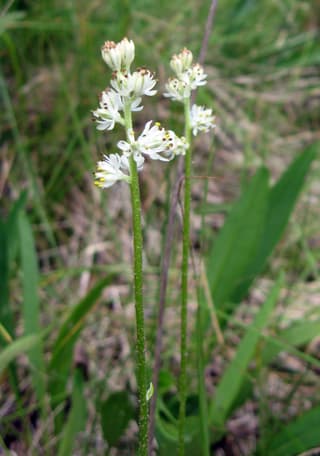
| Sticky false asphodel | Hard | Bright indirect | 1d | ✓ |
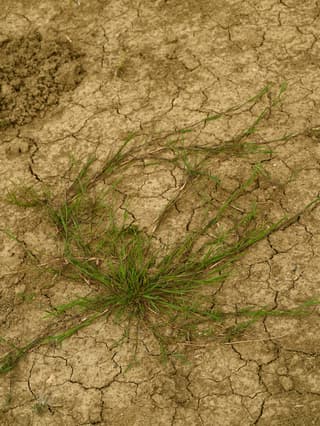
| Creeping bentgrass | Hard | Direct sun | 3d | ✓ |
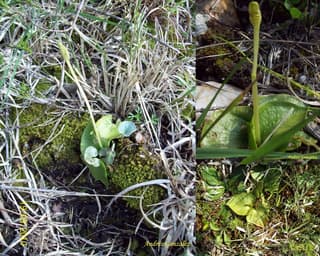
| Bulbous Adder's-tongue | Hard | Partial shade | 4d | ✓ |
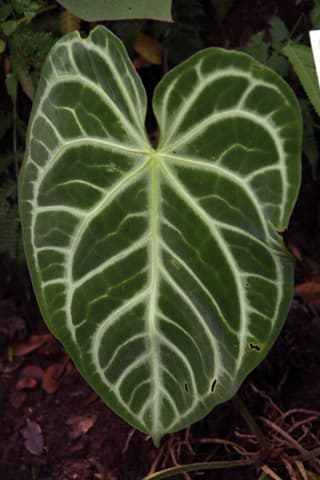
| Crystal Anthurium | Hard | Partial shade | 7d | ⚠️ |