Moraceae
Ficus longifolia: Narrow-Leaf Fig Care Guide
Ficus longifolia
Give it bright, indirect light, water once the top inch or two of soil has dried, and keep it away from cold drafts. It rewards consistent conditions with steady, if slow, growth and dislikes being moved once settled.
Every 7 days
Bright indirect
15° - 30°C
% - %
Categories
What is Narrow-Leaf Fig?
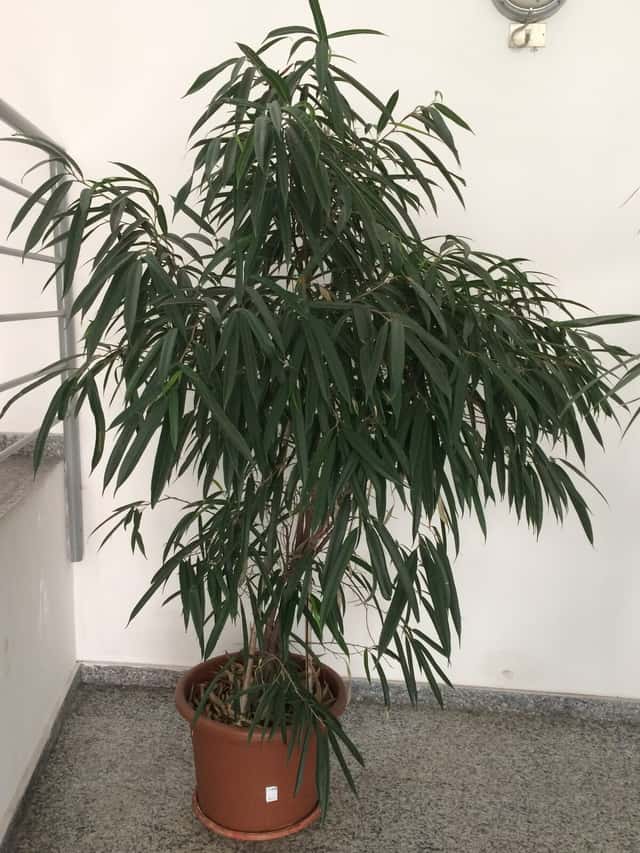
Narrow-Leaf Fig (Ficus longifolia) is a easy-care plant from the Moraceae family. Ficus longifolia, widely sold in the houseplant trade as the narrow-leaf fig (also known as Ficus Alii), is a tropical evergreen fig in the Moraceae family. Native to tropical regions of Africa and Asia, it is grown almost exclusively as an ornamental indoor tree, prized for its slender, glossy, lan...
Narrow-Leaf Fig grows up to 3.0m, spread of 150cm, watering every 7 days, 15°C – 30°C. It is suitable for indoor environments and not safe for pets.
Unlike many tropical plants, Narrow-Leaf Fig tolerates watering mistakes. Best for beginners. Without precautions, ingestion can cause irritation in pets. Keep out of reach of cats and dogs. Without adequate drainage, root rot can develop within 14 days.
How to Care for Narrow-Leaf Fig?
TLDR: Narrow-Leaf Fig needs Bright indirect, watering every 7 days, and temperatures between 15-30°C with 40-70% humidity.
How Often Should You Water Narrow-Leaf Fig?
Water thoroughly when the top 2-5 cm (1-2 in) of soil feels dry, then let the pot drain fully - this ficus is more tolerant of brief dryness than of soggy, waterlogged soil, which quickly leads to root rot.
How Much Light Does Narrow-Leaf Fig Need?
Place in bright, indirect light close to a window; a few hours of gentle morning sun is fine, but shield the plant from intense direct midday sun, which can scorch the narrow leaves.
What Is the Best Soil for Narrow-Leaf Fig?
Use a well-draining, fertile potting mix (standard potting soil amended with perlite or coarse sand) with a near-neutral pH of about 6.0-7.5, and always choose a pot with drainage holes.
What Pot Should You Use for Narrow-Leaf Fig?
A pot only slightly larger than the current root ball, with generous drainage holes; terracotta is a good choice since it helps excess moisture evaporate and lowers the risk of overwatering.
Care Schedule
Fertilize
Every 14 days
What Is Narrow-Leaf Fig and Where Does It Come From?
Ficus longifolia, widely sold in the houseplant trade as the narrow-leaf fig (also known as Ficus Alii), is a tropical evergreen fig in the Moraceae family. Native to tropical regions of Africa and Asia, it is grown almost exclusively as an ornamental indoor tree, prized for its slender, glossy, lance-shaped leaves that give it a graceful, weeping silhouette distinct from broader-leaved ficus relatives. Like other figs, it produces its tiny flowers hidden inside an enclosed syconium (fig), so showy blooms are not part of its appeal - the foliage is the star. Indoors it can be trained into a small tree or braided-trunk form, reaching up to about 3 m (10 ft) in a container over many years.
How to Propagate Narrow-Leaf Fig?
Stem Cutting
Wear gloves when taking cuttings since the milky latex sap can irritate skin; wipe tools clean between cuts to avoid spreading fungal issues.
- 1 Take a 12-20 cm (5-8 in) cutting from healthy new growth, cutting just below a leaf node.
- 2 Let the cut end callous for a few hours to reduce sap loss, then dip it in rooting hormone.
- 3 Insert the cutting into a well-draining, moist propagation mix or a jar of water.
- 4 Cover loosely with a clear plastic bag or dome to keep humidity high, keeping the medium consistently moist.
- 5 Once roots are 3-5 cm long, transplant into a well-draining potting mix.
Materials needed:
How Big Does Narrow-Leaf Fig Grow?
TLDR: Narrow-Leaf Fig can reach up to 3.0m tall with Slow growth rate.
Max height
3.0m
Spread
1.5m
Growth rate
Slow
Foliage
Evergreen
Warning: Toxic Plant
This plant can be toxic if ingested. Keep out of reach of:
Plant Uses
Ornamental
Great for decoration
Air Purifying
Improves air quality
Is your plant showing symptoms?
Click on the symptom to discover possible causes:
What Diseases Commonly Affect Narrow-Leaf Fig?
TLDR: Narrow-Leaf Fig is susceptible to 10 known diseases. Monitor regularly for early detection.
Root Rot
Root rot is a serious fungal disease that affects the root system of plants, causing them to decay and die. It is primarily caused by overwatering, poor drainage, or soil-borne fungi such as Pythium, Phytophthora, Rhizoctonia, and Fusarium. The disease thrives in waterlogged conditions where roots are deprived of oxygen, making them susceptible to fungal infection.
Spider Mites
Spider mites are tiny arachnids (less than 1/20 inch long) related to spiders and ticks that feed on plant sap. They thrive in hot, dry conditions and can cause significant damage to ornamental and vegetable plants. During severe infestations, crop losses can reach 14% or higher as these pests disrupt vital plant processes including photosynthesis, carbon dioxide absorption, and transpiration.
Mealybugs
Mealybugs are small, soft-bodied insects covered with a white, waxy, cottony material. They are common pests of houseplants and outdoor plants in mild climates. These sap-sucking insects feed on plant tissue, causing damage, stunted growth, and can lead to plant death if left untreated. They produce sticky honeydew which attracts sooty mold.
Scale Insects
Scale insects are small sap-sucking pests that appear as brown, shell-like bumps on plant stems and leaves. There are over 25 species, divided into armored (hard) and unarmored (soft) scales. They feed by piercing plant tissue and extracting sap, which weakens the plant and can lead to yellowing, stunted growth, and even death if left untreated. They also excrete honeydew, which attracts ants and promotes sooty mold growth.
Meaning & Symbolism
As with many fig species, the narrow-leaf fig is often associated with strength, steady growth and resilience - qualities reflected in its slow but persistent climb toward the light indoors.
Fun Facts
Its slender, glossy leaves give it a soft, weeping silhouette that sets it apart from broader-leaved ficus relatives like the fiddle-leaf fig.
Despite belonging to the fig family, it almost never produces edible fruit indoors - its tiny flowers stay hidden inside an unopened syconium.
The trunk is flexible enough when young to be braided into ornamental shapes, a popular nursery trick for this species.
Frequently asked questions
Is Ficus longifolia toxic to cats and dogs?
How often should I water my narrow-leaf fig?
Does Ficus longifolia flower?
Why is my narrow-leaf fig dropping leaves?
Compare with similar plants
| Attribute | Difficulty | Light | Watering | Pet Safe |
|---|---|---|---|---|
| Field Maple | Easy | Bright indirect | 14d | ✓ |
| Silver Birch | Easy | Direct sun | 14d | ✓ |
| Common Blanketflower | Easy | Direct sun | 10d | ✓ |
| Cushion Bush | Easy | Direct sun | 14d | ✓ |





