Cyperaceae
Fiber optic grass: Ground Cover Plant
Scirpus cernuus
Fiber optic grass is easy to grow but has one non-negotiable rule: the soil must stay wet at all times. Give it bright light -- full sun outdoors or bright, filtered light indoors -- along with high humidity, and it will reward you with dense, arching green tufts and a near-constant flush of tiny silvery flower heads.
Every 1 days
Bright indirect
13° - 29°C
50% - 90%
Categories
What is Fiber optic grass?
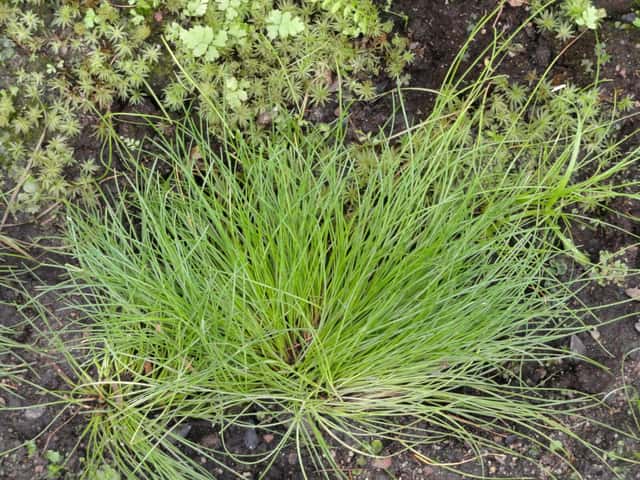
Fiber optic grass (Scirpus cernuus) is a easy-care plant from the Cyperaceae family. Scirpus cernuus (also classified as Isolepis cernua), commonly known as fiber optic grass, is a small, tufted sedge in the Cyperaceae family that forms a dense, mounding clump of thread-thin, hair-like green stems reaching 20-30 cm tall and spreading up to 50 cm. Each stem nods slightly and is tippe...
Fiber optic grass grows up to 30cm, spread of 50cm, watering every 1 days, 13°C – 29°C, 50–90% humidity. It is suitable for indoor environments and safe for pets.
Unlike many tropical plants, Fiber optic grass tolerates watering mistakes. Best for beginners. Unlike many popular species, Fiber optic grass is safe to keep around pets. Without adequate drainage, root rot can develop within 7 days.
How to Care for Fiber optic grass?
TLDR: Fiber optic grass needs Bright indirect, watering every 1 days, and temperatures between 13-29°C with 50-90% humidity.
How Often Should You Water Fiber optic grass?
Keep the soil fully saturated at all times; this plant cannot be overwatered in the usual sense and is happiest sitting in a saucer or dish with 1-2 cm of standing water. Never let the pot dry out -- even a short dry spell will brown the delicate stems.
How Much Light Does Fiber optic grass Need?
Give it full sun to bright, filtered light. It tolerates partial shade, but growth turns thinner and lankier the less light it gets.
What Is the Best Soil for Fiber optic grass?
Use a moisture-retentive, organic-rich or peat-based mix -- a blend made for bog or marginal aquatic plants is ideal. For water-garden use, aquatic compost topped with washed gravel works well.
What Pot Should You Use for Fiber optic grass?
A pot without drainage holes, or a nursery pot set inside a decorative cachepot or saucer that holds a permanent water reservoir, suits this plant best. It also grows happily as a marginal plant directly in ponds and water gardens.
Care Schedule
Fertilize
Every 30 days
Misting
Every 2 days
Rotate
Every 14 days
Repot
Every 365 days
What Is Fiber optic grass and Where Does It Come From?
Scirpus cernuus (also classified as Isolepis cernua), commonly known as fiber optic grass, is a small, tufted sedge in the Cyperaceae family that forms a dense, mounding clump of thread-thin, hair-like green stems reaching 20-30 cm tall and spreading up to 50 cm. Each stem nods slightly and is tipped with a tiny silver-white flower head that matures to tan or brown, giving the whole plant the look of a miniature fiber optic lamp. In the wild it grows in boggy ground, pond margins, dune slacks, and other consistently damp or brackish sites across Australasia, Eurasia, Africa, and the Americas, which is why it is grown as a container, houseplant, or marginal water-garden plant that never wants to dry out.
How to Propagate Fiber optic grass?
Root Division
- Keep newly divided plants in a very humid, constantly moist environment until new growth appears.
- Divide every 2-3 years to keep clumps vigorous and prevent overcrowding.
- 1 Remove from Pot
Gently take the plant out of its container and shake or rinse off excess soil to expose the root mass.
- 2 Divide the Clump
Using a clean knife or your hands, pull or cut the root ball into smaller sections, ensuring each section has several stems and roots attached.
- 3 Replant
Place the new divisions into fresh, moisture-retentive potting mix and water immediately so the soil is fully saturated.
Materials needed:
Seed Sowing
- The plant self-seeds readily in favorable, constantly moist conditions.
- Do not let the tray dry out at any point during germination.
- 1 Prepare Seed Tray
Fill a flat or shallow tray with light, moisture-retentive seed-starting mix.
- 2 Sow Seeds
Scatter seeds over the surface and press lightly; cover with only a thin layer of soil, as they need some light to germinate.
- 3 Keep Moist and Warm
Keep the tray constantly moist (a humidity dome or standing water tray helps) and in a warm, bright spot until seedlings emerge.
Materials needed:
How Big Does Fiber optic grass Grow?
TLDR: Fiber optic grass can reach up to 30cm tall with Fast growth rate.
Max height
30cm
Spread
50cm
Growth rate
Fast
Foliage
Evergreen
Plant Uses
Ornamental
Great for decoration
Ground Cover
Soil coverage
Is your plant showing symptoms?
Click on the symptom to discover possible causes:
What Diseases Commonly Affect Fiber optic grass?
TLDR: Fiber optic grass is susceptible to 6 known diseases. Monitor regularly for early detection.
Root Rot
Root rot is a serious fungal disease that affects the root system of plants, causing them to decay and die. It is primarily caused by overwatering, poor drainage, or soil-borne fungi such as Pythium, Phytophthora, Rhizoctonia, and Fusarium. The disease thrives in waterlogged conditions where roots are deprived of oxygen, making them susceptible to fungal infection.
Overwatering
Overwatering occurs when plants receive too much water, depriving roots of oxygen and causing root rot. This environmental stress is one of the most common causes of houseplant death, as waterlogged soil prevents roots from breathing and functioning properly.
Mealybugs
Mealybugs are small, soft-bodied insects covered with a white, waxy, cottony material. They are common pests of houseplants and outdoor plants in mild climates. These sap-sucking insects feed on plant tissue, causing damage, stunted growth, and can lead to plant death if left untreated. They produce sticky honeydew which attracts sooty mold.
Spider Mites
Spider mites are tiny arachnids (less than 1/20 inch long) related to spiders and ticks that feed on plant sap. They thrive in hot, dry conditions and can cause significant damage to ornamental and vegetable plants. During severe infestations, crop losses can reach 14% or higher as these pests disrupt vital plant processes including photosynthesis, carbon dioxide absorption, and transpiration.
Meaning & Symbolism
Represents adaptability and quiet resilience -- a plant that thrives in the wettest, toughest ground.
Compare with similar plants
| Attribute | Difficulty | Light | Watering | Pet Safe |
|---|---|---|---|---|
| Field Maple | Easy | Bright indirect | 14d | ✓ |
| Silver Birch | Easy | Direct sun | 14d | ✓ |
| Common Blanketflower | Easy | Direct sun | 10d | ✓ |
| Cushion Bush | Easy | Direct sun | 14d | ✓ |





