Asteraceae
European Michaelmas Daisy (Aster amellus)
Aster amellus
Plant in full sun in free-draining, neutral to alkaline soil of moderate fertility. Once established it is drought tolerant and needs water only in prolonged dry spells. Winter wet is a bigger threat than cold, since it is hardy to about -20 C. Space plants 40 to 45 cm apart, feed lightly with compost in spring, deadhead in September, cut back after the stems blacken, and divide congested clumps every three to four years in spring.
Every 14 days
Bright indirect
-20° - °C
% - %
Categories
What is European Michaelmas Daisy?
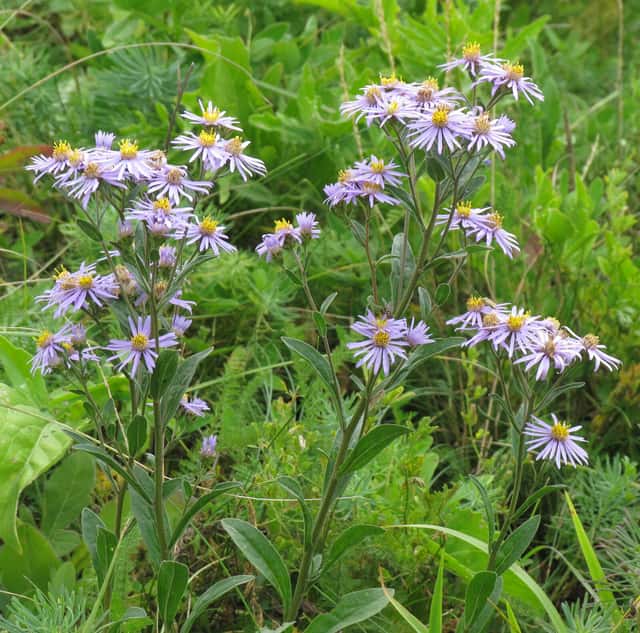
European Michaelmas Daisy (Aster amellus) is a easy-care plant from the Asteraceae family. Aster amellus is a compact, clump-forming herbaceous perennial of the daisy family (Asteraceae), native to central and southern Europe and parts of western Asia. It grows 30 to 60 cm tall and produces masses of lilac-purple, daisy-like flowers with golden-yellow centres from late summer well into au...
European Michaelmas Daisy grows up to 60cm, spread of 45cm, watering every 14 days. It is not suitable for indoor environments and safe for pets.
Unlike many tropical plants, European Michaelmas Daisy tolerates watering mistakes. Best for beginners. Unlike many popular species, European Michaelmas Daisy is safe to keep around pets.
How to Care for European Michaelmas Daisy?
TLDR: European Michaelmas Daisy needs Bright indirect, watering every 14 days, and temperatures between -20-30°C with 40-70% humidity.
How Often Should You Water European Michaelmas Daisy?
Water young plants regularly until established, then only during prolonged drought. Water at the base and avoid soggy soil, especially in winter.
How Much Light Does European Michaelmas Daisy Need?
Give it at least six hours of direct sun a day. In shade the stems stretch, flop and flower less.
What Is the Best Soil for European Michaelmas Daisy?
Prefers free-draining, neutral to alkaline soil, including chalk and gravelly ground. Add grit to heavy soil to prevent crown rot.
What Pot Should You Use for European Michaelmas Daisy?
Best grown in the ground or a large, deep container with drainage holes and gritty compost.
Care Schedule
Fertilize
Every 365 days
What Is European Michaelmas Daisy and Where Does It Come From?
Aster amellus is a compact, clump-forming herbaceous perennial of the daisy family (Asteraceae), native to central and southern Europe and parts of western Asia. It grows 30 to 60 cm tall and produces masses of lilac-purple, daisy-like flowers with golden-yellow centres from late summer well into autumn. In the wild it favours sunny, rocky, limestone-rich slopes and dry meadows. In gardens it is prized for late colour, a tidy self-supporting habit, and good resistance to the powdery mildew that affects many other asters.
How to Propagate European Michaelmas Daisy?
Division
Divide every three to four years and avoid autumn division, as divisions rarely root before winter.
- 1 Lift an established clump in early spring as new shoots appear.
- 2 Split it into sections, each with healthy roots and shoots.
- 3 Replant the sections at the same depth, 40 to 45 cm apart.
- 4 Water well until new growth is established.
Materials needed:
Basal cuttings
Use clean, sharp tools and keep the compost free-draining to avoid rot.
- 1 In April, take 8 cm cuttings from new basal shoots.
- 2 Remove the lowest leaves.
- 3 Insert the cuttings in gritty compost.
- 4 Keep lightly moist in a bright, sheltered place until rooted.
Materials needed:
How Big Does European Michaelmas Daisy Grow?
TLDR: European Michaelmas Daisy can reach up to 60cm tall with Medium growth rate.
Max height
60cm
Spread
45cm
Growth rate
Medium
Foliage
Deciduous
Plant Uses
Ornamental
Great for decoration
Is your plant showing symptoms?
Click on the symptom to discover possible causes:
What Diseases Commonly Affect European Michaelmas Daisy?
TLDR: European Michaelmas Daisy is susceptible to 8 known diseases. Monitor regularly for early detection.
Powdery Mildew
Powdery mildew is a common fungal disease caused by various fungi species including Erysiphe, Podosphaera, Oïdium, and Leveillula. It affects over 10,000 plant species worldwide. The disease thrives in warm, dry climates with high humidity and appears as a distinctive white powdery coating on plant surfaces.
Rust
Rust is a common fungal disease caused by fungi in the order Pucciniales that affects a wide variety of plants. The disease gets its name from the characteristic orange, yellow, or reddish-brown pustules that appear on leaves, resembling metal rust. This obligate fungal parasite requires living plants to survive and can cause significant economic losses in agricultural crops.
Verticillium Wilt
Verticillium wilt is a soil-borne fungal disease caused primarily by the fungi Verticillium dahliae and V. albo-atrum. These pathogens infect plant roots and grow within the vascular tissues, blocking water and nutrient transport, resulting in wilting and eventual plant death. The disease affects over 350 plant species including vegetables, fruits, ornamental flowers, and trees. The fungi can survive in soil for more than 10 years as resistant structures called microsclerotia.
Fusarium Wilt
Fusarium wilt is a serious fungal disease caused by the soil-borne fungus Fusarium oxysporum. The fungus invades roots and blocks the water-conducting vessels (xylem) of the plant, causing progressive wilting and eventual death. Host-specific forms of the pathogen exist that attack different plant species.
Meaning & Symbolism
Named after the Michaelmas feast (29 September) because it blooms around that date. Asters are traditionally linked with patience, elegance and love.
Fun Facts
The common name comes from Michaelmas, the feast of St Michael on 29 September, around when it flowers.
The species name amellus appears in Virgil's Georgics.
It is a limestone-loving plant that thrives on chalk and thin, stony soils.
Frequently asked questions
How much sun does Aster amellus need?
When does it bloom?
How often should I water it?
Is it frost hardy?
Does it get powdery mildew?
Compare with similar plants
| Attribute | Difficulty | Light | Watering | Pet Safe |
|---|---|---|---|---|
| Field Maple | Easy | Bright indirect | 14d | ✓ |
| Silver Birch | Easy | Direct sun | 14d | ✓ |
| Common Blanketflower | Easy | Direct sun | 10d | ✓ |
| Cushion Bush | Easy | Direct sun | 14d | ✓ |





