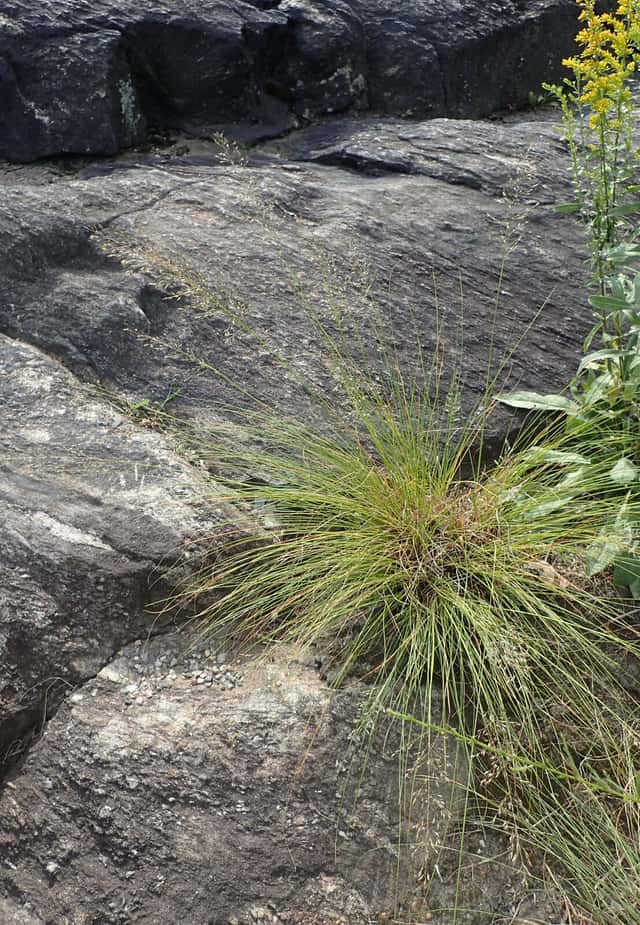
Poaceae
Prairie dropseed: Full Sun Plant
Sporobolus
Low-maintenance plant: full sun, well-drained soil, and sparse watering once established. Prune once a year in late winter; it requires virtually no fertilizer.
Every 14 days
Direct sun
-40° - 35°C
% - %
Categories
What is Prairie dropseed?
Prairie dropseed (Sporobolus) is a easy-care plant from the Poaceae family. Sporobolus is a genus of ornamental and native grasses in the Poaceae family, with approximately 150-200 species distributed across temperate, tropical, and subtropical regions. The most prized ornamental species is Sporobolus heterolepis (prairie dropseed), which forms dense, arching clumps of fine...
Prairie dropseed grows up to 90cm, spread of 60cm, watering every 14 days, -40°C – 35°C. It is not suitable for indoor environments and safe for pets.
Unlike many tropical plants, Prairie dropseed tolerates watering mistakes. Best for beginners. Unlike many popular species, Prairie dropseed is safe to keep around pets.
How to Care for Prairie dropseed?
TLDR: Prairie dropseed needs Direct sun, watering every 14 days, and temperatures between -40-35°C with 40-70% humidity.
How Often Should You Water Prairie dropseed?
Water when the top 3-5 cm of soil are dry; once established, it is highly drought-tolerant and rarely needs additional watering except during very dry summers. Avoid waterlogging.
How Much Light Does Prairie dropseed Need?
Prefers full sun, with at least 6 hours of direct light daily; it tolerates some partial shade but blooms better and remains more compact in full sun.
What Is the Best Soil for Prairie dropseed?
Grows best in dry to medium, well-drained soils, including poor, rocky, or clay soils; it is adaptable to various pH levels and does not require rich soil.
What Pot Should You Use for Prairie dropseed?
If grown in a pot, use a wide and deep container made of terracotta or breathable material with good drainage; in a garden, it is preferable to plant it directly in the ground due to its deep root system.
What Is Prairie dropseed and Where Does It Come From?
Sporobolus is a genus of ornamental and native grasses in the Poaceae family, with approximately 150-200 species distributed across temperate, tropical, and subtropical regions. The most prized ornamental species is Sporobolus heterolepis (prairie dropseed), which forms dense, arching clumps of fine, thread-like leaves that are bright green in summer and turn golden-orange in autumn. In summer and fall, it produces airy panicles of pinkish-brown flowers with a distinctive fragrance. It is a very hardy plant, tolerant of drought, poor soils, and clay, making it ideal for prairie gardens and naturalistic borders.
How to Propagate Prairie dropseed?
Clump division
This is the most reliable and fastest method; divide mature, well-established plants to maintain a compact habit.
- 1 Dig up the clump in spring when new growth begins
- 2 Separate the crown into sections with roots and shoots using a clean spade or knife
- 3 Replant each division at the same depth, spaced 45-60 cm apart
- 4 Water well after transplanting until established
Materials needed:
Sowing by seed
Germination can be slow and irregular, and plants take several years to reach maturity.
- 1 Collect mature seeds in autumn
- 2 Surface sow on well-drained substrate in spring
- 3 Keep the substrate slightly moist and in full light
- 4 Transplant seedlings when they are robust enough
Materials needed:
How Big Does Prairie dropseed Grow?
TLDR: Prairie dropseed can reach up to 90cm tall with Slow growth rate.
Max height
90cm
Spread
60cm
Growth rate
Slow
Foliage
Deciduous
Plant Uses
Ornamental
Great for decoration
Culinary Uses
- Some species within the genus with edible seeds have been traditionally used as ground grain for flour by native peoples, although Sporobolus heterolepis does not have a common culinary use.
Is your plant showing symptoms?
Click on the symptom to discover possible causes:
What Diseases Commonly Affect Prairie dropseed?
TLDR: Prairie dropseed is susceptible to 4 known diseases. Monitor regularly for early detection.
Rust
Rust is a common fungal disease caused by fungi in the order Pucciniales that affects a wide variety of plants. The disease gets its name from the characteristic orange, yellow, or reddish-brown pustules that appear on leaves, resembling metal rust. This obligate fungal parasite requires living plants to survive and can cause significant economic losses in agricultural crops.
Leaf Spot
Leaf spot is a common fungal disease caused by various pathogens including Alternaria, Ascochyta, Colletotrichum, Septoria, and Venturia. It primarily affects leaves, causing discolored spots that can lead to premature leaf drop if left untreated.
Root Rot
Root rot is a serious fungal disease that affects the root system of plants, causing them to decay and die. It is primarily caused by overwatering, poor drainage, or soil-borne fungi such as Pythium, Phytophthora, Rhizoctonia, and Fusarium. The disease thrives in waterlogged conditions where roots are deprived of oxygen, making them susceptible to fungal infection.
Aphids
Aphids are small, soft-bodied, pear-shaped insects (1/16 to 1/8 inch long) that feed by sucking nutrient-rich sap from plants. They reproduce rapidly and can quickly weaken plants, causing distorted growth and transmitting plant viruses. Aphids come in various colors including green, black, red, yellow, brown, and gray. They secrete honeydew, a sticky substance that attracts ants and encourages sooty mold growth.
Compare with similar plants
| Attribute | Difficulty | Light | Watering | Pet Safe |
|---|---|---|---|---|
| Field Maple | Easy | Bright indirect | 14d | ✓ |
| Muriel's Bamboo | Medium | Partial shade | 3d | ✓ |
| Silver Birch | Easy | Direct sun | 14d | ✓ |
| Common Blanketflower | Easy | Direct sun | 10d | ✓ |





