Aizoaceae
Dinteranthus (Living Stone)
Dinteranthus
Grow Dinteranthus like a Lithops but give it even less water. Use a very gritty mineral mix in a pot with drainage holes, place it in the brightest spot you have and shade it lightly from the strongest summer sun. Soak the soil and then let it dry out completely; do not water while the old leaf pair is still shriveling to feed the new one, and keep it nearly dry in the coldest month. Keep it above 5 °C and give it good air movement: almost all losses come from overwatering and stagnant, humid air.
Every 21 days
Bright indirect
5° - °C
% - %
Categories
What is Dinteranthus?
Dinteranthus (Dinteranthus) is a hard-care plant from the Aizoaceae family. Dinteranthus is a small genus of six "living stone" succulents in the ice plant family (Aizoaceae), native to the arid north-west of South Africa's Northern Cape and south-eastern Namibia, where they grow among quartz pebbles in very dry, sandy ground. Each head is a single pair of thick, fused leav...
Dinteranthus grows up to 5cm, watering every 21 days. It is suitable for indoor environments and safe for pets.
Unlike easy-care plants, Dinteranthus demands constant attention to humidity and light. Not recommended for beginners. Unlike many popular species, Dinteranthus is safe to keep around pets. Without adequate drainage, root rot can develop within 42 days.
How to Care for Dinteranthus?
TLDR: Dinteranthus needs Bright indirect, watering every 21 days, and temperatures between 5-30°C with 40-70% humidity.
How Often Should You Water Dinteranthus?
Water by soaking the pot and letting it drain, then wait until the mix is completely dry, usually 2-4 weeks in the growing seasons of spring and autumn. Do not water while the new leaf pair is growing out of the old one: wait until the old leaves have fully shriveled. Keep the plant rather dry in the coldest winter month and in dull, cool or very humid weather. Soft, wrinkled-then-mushy heads mean too much water.
How Much Light Does Dinteranthus Need?
Give the most light you can: a south-facing window (north-facing in the southern hemisphere), a bright greenhouse or a grow light. Good light keeps the bodies compact and pale, almost bone-white in D. pole-evansii. Shade lightly from the full midday sun in summer, especially under glass, to avoid scorching, and acclimatise plants gradually when moving them outdoors.
What Is the Best Soil for Dinteranthus?
Use a very open, fast-draining mineral mix with little compost and a high proportion of grit, coarse sand, pumice, small lava gravel or pebbles (about 70-80% mineral). Top-dress with gravel so the neck of the plant stays dry. Because the roots are shallow and fibrous, a shallow layer of mix dries faster and is safer than a deep one.
What Pot Should You Use for Dinteranthus?
A small, shallow terracotta pot with drainage holes, only a little wider than the plant. Clay dries faster than plastic, which suits these rot-prone succulents.
What Is Dinteranthus and Where Does It Come From?
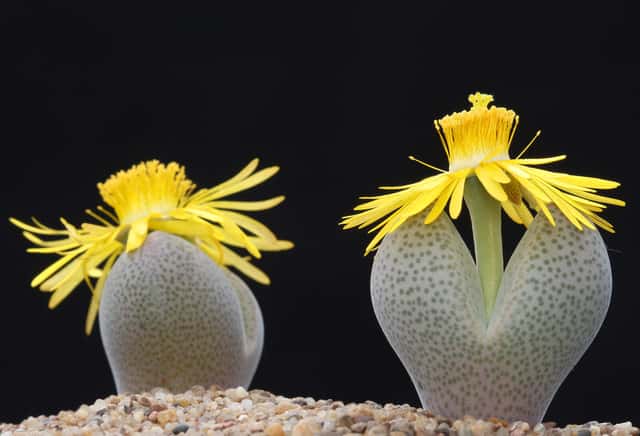
Dinteranthus is a small genus of six "living stone" succulents in the ice plant family (Aizoaceae), native to the arid north-west of South Africa's Northern Cape and south-eastern Namibia, where they grow among quartz pebbles in very dry, sandy ground. Each head is a single pair of thick, fused leaves 2.5-6 cm long, chalky white, grey, blue-grey or violet-tinged and often dotted, that mimics the stones around it. The plants stay solitary or form small clumps of a few heads. Daisy-like flowers 1.5-4.5 cm wide, golden yellow or white with a yellow centre, open from the slit between the leaves, mostly from late summer to autumn. The most grown species are D. wilmotianus (blue-grey, dotted), D. pole-evansii (chalk-white, like a golf ball) and D. microspermus. Compared with Lithops they have a keel under the leaves, a shallow fibrous root system instead of a taproot and very small, dust-like seeds.
How to Propagate Dinteranthus?
Sowing seed
The seed is extremely small, so mix it with a pinch of fine sand to sow evenly. Seedlings grow slowly and take several years to flower.
- 1 Fill a small pot with fine, well-drained sand or a gritty seed mix and moisten it
- 2 Scatter the dust-like seed on the surface without covering it
- 3 Cover the pot with clear plastic or glass and keep it warm and bright but out of direct sun
- 4 Remove the cover gradually after germination and keep seedlings lightly shaded in their first year
Materials needed:
Dividing clumps
Only divide healthy, well-rooted clumps; most Dinteranthus stay solitary or form few heads, so seed is the usual method.
- 1 Choose an older plant that has formed several heads
- 2 Unpot it when the soil is dry and gently separate heads that have their own roots
- 3 Let any cut surfaces dry for a few days
- 4 Pot each piece in dry gritty mix and wait about a week before the first light watering
Materials needed:
How Big Does Dinteranthus Grow?
TLDR: Dinteranthus can reach up to 5cm tall with Slow growth rate.
Max height
5cm
Growth rate
Slow
Foliage
Evergreen
Plant Uses
Ornamental
Great for decoration
Is your plant showing symptoms?
Click on the symptom to discover possible causes:
What Diseases Commonly Affect Dinteranthus?
TLDR: Dinteranthus is susceptible to 7 known diseases. Monitor regularly for early detection.
Root Rot
Root rot is a serious fungal disease that affects the root system of plants, causing them to decay and die. It is primarily caused by overwatering, poor drainage, or soil-borne fungi such as Pythium, Phytophthora, Rhizoctonia, and Fusarium. The disease thrives in waterlogged conditions where roots are deprived of oxygen, making them susceptible to fungal infection.
Overwatering
Overwatering occurs when plants receive too much water, depriving roots of oxygen and causing root rot. This environmental stress is one of the most common causes of houseplant death, as waterlogged soil prevents roots from breathing and functioning properly.
Mealybugs
Mealybugs are small, soft-bodied insects covered with a white, waxy, cottony material. They are common pests of houseplants and outdoor plants in mild climates. These sap-sucking insects feed on plant tissue, causing damage, stunted growth, and can lead to plant death if left untreated. They produce sticky honeydew which attracts sooty mold.
Spider Mites
Spider mites are tiny arachnids (less than 1/20 inch long) related to spiders and ticks that feed on plant sap. They thrive in hot, dry conditions and can cause significant damage to ornamental and vegetable plants. During severe infestations, crop losses can reach 14% or higher as these pests disrupt vital plant processes including photosynthesis, carbon dioxide absorption, and transpiration.
Fun Facts
The genus is named after the German botanist Kurt Dinter, who explored the former South West Africa; anthos means flower in Greek.
Dinteranthus pole-evansii is chalk-white and round, which earns it the nickname golf ball.
Dinteranthus microspermus means small-seeded: its seeds are almost as fine as dust.
In the wild, D. pole-evansii is known from only two places in the Northern Cape, with fewer than 1,000 mature plants.
Frequently asked questions
How often should I water Dinteranthus?
What is the difference between Dinteranthus and Lithops?
Why is my Dinteranthus turning soft or mushy?
Can Dinteranthus take cold?
Compare with similar plants
| Attribute | Difficulty | Light | Watering | Pet Safe |
|---|---|---|---|---|
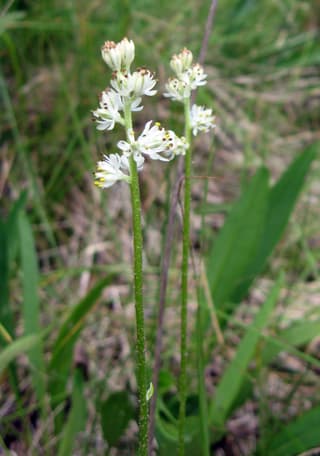
| Sticky false asphodel | Hard | Bright indirect | 1d | ✓ |
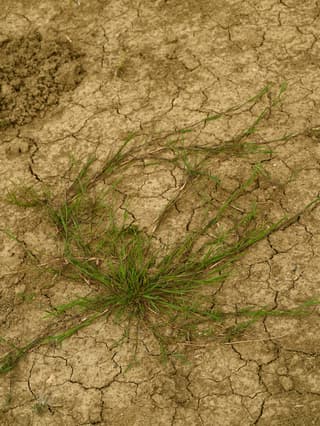
| Creeping bentgrass | Hard | Direct sun | 3d | ✓ |
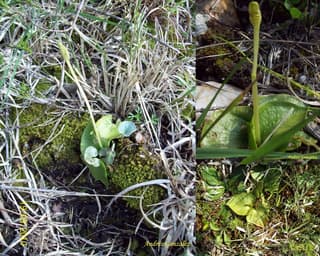
| Bulbous Adder's-tongue | Hard | Partial shade | 4d | ✓ |
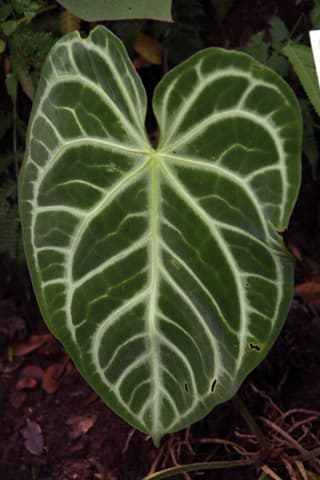
| Crystal Anthurium | Hard | Partial shade | 7d | ⚠️ |