Ebenaceae
Date Plum (Diospyros lotus)
Diospyros lotus
A full-sun tree for deep, well-drained soil. Water regularly while young; established trees cope with dry spells. Plant a male and a female for fruit.
Every 10 days
Bright indirect
-15° - °C
% - %
Categories
What is Date Plum?
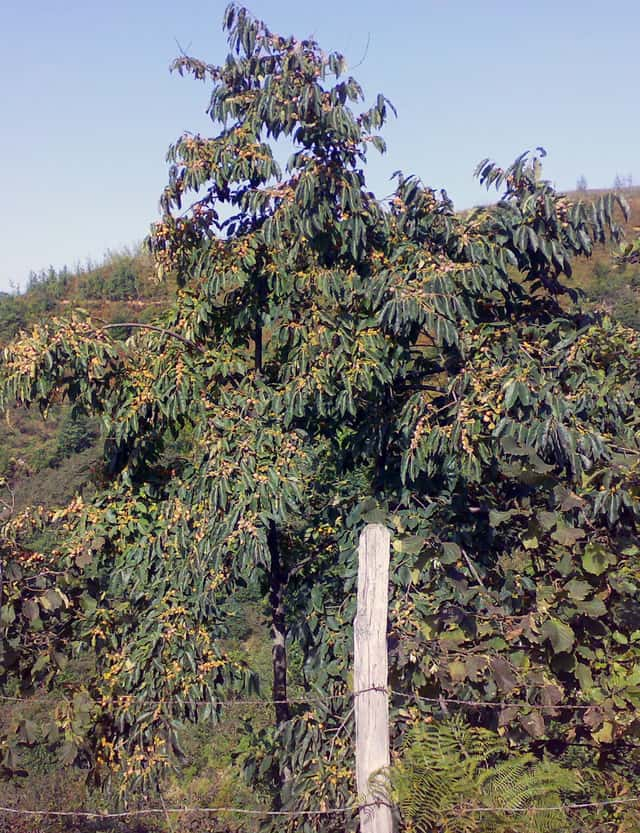
Date Plum (Diospyros lotus) is a medium-care plant from the Ebenaceae family. The date plum (Diospyros lotus) is a deciduous tree in the ebony family (Ebenaceae), a relative of the persimmon, native from southeast Europe and southwest Asia to China and Korea. In cultivation it reaches 8-12 m with a spreading crown, glossy leathery leaves and bark that flakes with age. Trees a...
Date Plum grows up to 12.0m, spread of 800cm, watering every 10 days. It is not suitable for indoor environments and safe for pets.
Unlike many popular species, Date Plum is safe to keep around pets.
How to Care for Date Plum?
TLDR: Date Plum needs Bright indirect, watering every 10 days, and temperatures between -15-30°C with 40-70% humidity.
How Often Should You Water Date Plum?
Young trees need regular summer watering. Once established, water only in long droughts and never let the soil stay waterlogged.
How Much Light Does Date Plum Need?
Full sun, ideally sheltered from cold winds; light shade is tolerated but fruiting is better in sun.
What Is the Best Soil for Date Plum?
Deep, fertile, well-drained soil; it tolerates sandy, clay and stony soils, acid or alkaline.
What Pot Should You Use for Date Plum?
Not a long-term container plant; young trees can stay in a deep pot until planted out.
What Is Date Plum and Where Does It Come From?
The date plum (Diospyros lotus) is a deciduous tree in the ebony family (Ebenaceae), a relative of the persimmon, native from southeast Europe and southwest Asia to China and Korea. In cultivation it reaches 8-12 m with a spreading crown, glossy leathery leaves and bark that flakes with age. Trees are male or female: small greenish bell-shaped flowers appear in summer, and females bear 1-2 cm berries, yellow turning blue-black, that ripen in autumn. The fruit is only sweet when fully ripe, soft or dried, when it tastes of dates and plums, hence the name. It is also used as a rootstock for Japanese persimmon.
How to Propagate Date Plum?
Seed
Seedlings can be male or female, which you only find out when they flower. Protect them from cold for the first winters.
- 1 Take seeds from fully ripe fruit and clean off the pulp
- 2 Sow straight away in deep pots in a cold frame
- 3 Stored seed needs cold stratification before sowing
- 4 Plant seedlings out in early summer
Materials needed:
Semi-ripe cuttings
Layering in spring also works.
- 1 Take semi-ripe cuttings in July-August
- 2 Strip the lower leaves
- 3 Insert into a light mix in a frame or covered box
- 4 Keep moist and shaded until rooted
Materials needed:
How Big Does Date Plum Grow?
TLDR: Date Plum can reach up to 12.0m tall with Medium growth rate.
Max height
12.0m
Spread
8.0m
Growth rate
Medium
Foliage
Deciduous
Plant Uses
Ornamental
Great for decoration
Edible
Can be consumed
Medicinal
Medicinal properties
Medicinal Uses
- In traditional medicine the fruit is used to reduce fever and the seed is considered sedative in China
Culinary Uses
- Fruit eaten raw when fully ripe and soft
- Dried fruit with a date-like flavour
Is your plant showing symptoms?
Click on the symptom to discover possible causes:
What Diseases Commonly Affect Date Plum?
TLDR: Date Plum is susceptible to 2 known diseases. Monitor regularly for early detection.
Gray Mold (Botrytis Blight)
Gray mold, caused by the fungus Botrytis cinerea, is a widespread necrotrophic pathogen affecting over 1,400 plant species. It thrives in cool, humid conditions and attacks weakened or aging plant tissues, causing soft rot and characteristic gray fuzzy growth.
Leaf Spot
Leaf spot is a common fungal disease caused by various pathogens including Alternaria, Ascochyta, Colletotrichum, Septoria, and Venturia. It primarily affects leaves, causing discolored spots that can lead to premature leaf drop if left untreated.
Fun Facts
The genus name comes from Greek for 'fruit of Zeus' (Diós pyros).
Some suggest its fruit was the 'lotus' of the Lotus-eaters in the Odyssey, which made sailors forget their way home.
Its Persian name, khormaloo, means 'date-plum'.
Frequently asked questions
Is date plum fruit edible?
Do I need two trees for fruit?
How cold-hardy is it?
Does it get pests or diseases?
Compare with similar plants
| Attribute | Difficulty | Light | Watering | Pet Safe |
|---|---|---|---|---|
| Dark Fieldcap | Medium | Low light | 2d | ⚠️ |
| Azalea | Medium | Partial shade | 3d | ⚠️ |
| Muriel's Bamboo | Medium | Partial shade | 3d | ✓ |
| Bougainvillea | Medium | Direct sun | 7d | ⚠️ |