Arecaceae
Chilean wine palm (Jubaea chilensis)
Jubaea chilensis
Full sun, well-drained soil and little watering once established. Plant without burying the trunk base and remove only dead fronds. Very cold hardy for a palm.
Every 14 days
Direct sun
-12° - °C
% - %
Categories
What is Chilean wine palm?
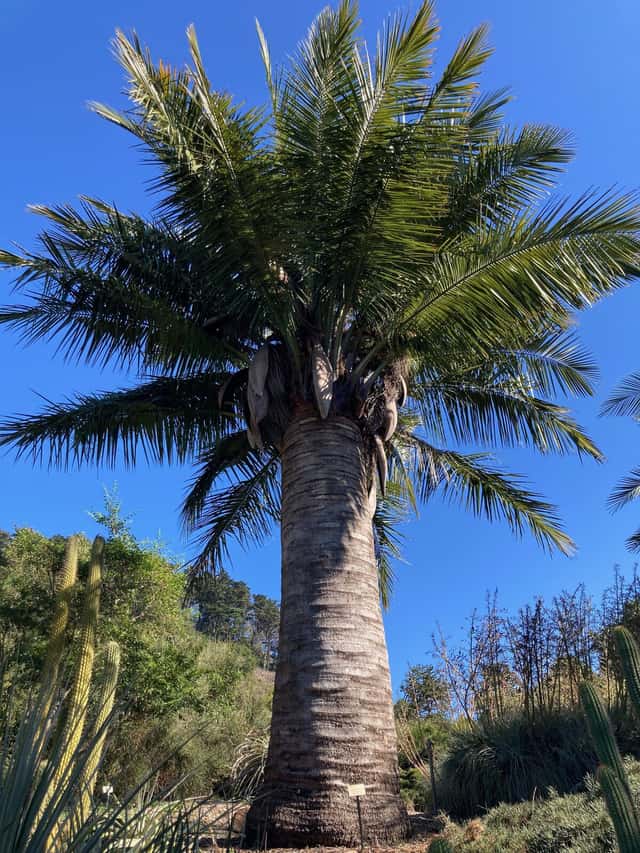
Chilean wine palm (Jubaea chilensis) is a medium-care plant from the Arecaceae family. The Chilean wine palm (Jubaea chilensis) is a palm in the family Arecaceae, endemic to central Chile between the Coquimbo and Maule regions. It has the thickest trunk of any palm, which can exceed 1.5 m across, and in the wild it reaches over 20 m tall (34 m has been recorded). It grows very slowly...
Chilean wine palm grows up to 24.0m, spread of 760cm, watering every 14 days. It is not suitable for indoor environments and safe for pets.
Unlike many popular species, Chilean wine palm is safe to keep around pets.
How to Care for Chilean wine palm?
TLDR: Chilean wine palm needs Direct sun, watering every 14 days, and temperatures between -12-30°C with 40-70% humidity.
How Often Should You Water Chilean wine palm?
Water well for the first years after planting. Once established it tolerates drought; in dry summers a deep soak every 2 weeks is enough.
How Much Light Does Chilean wine palm Need?
Needs full sun.
What Is the Best Soil for Chilean wine palm?
Not fussy: sandy, rocky, clay or chalky soil all work if it drains well. Don't let soil build up around the base of the trunk.
What Pot Should You Use for Chilean wine palm?
A deep pot with free-draining mix while young; mature palms belong in the ground.
What Is Chilean wine palm and Where Does It Come From?
The Chilean wine palm (Jubaea chilensis) is a palm in the family Arecaceae, endemic to central Chile between the Coquimbo and Maule regions. It has the thickest trunk of any palm, which can exceed 1.5 m across, and in the wild it reaches over 20 m tall (34 m has been recorded). It grows very slowly and lives for centuries; it only flowers after decades, producing small purple and yellow flowers and yellow fruits whose edible seeds, called coquitos, taste like coconut. It is one of the most cold-hardy palms, tolerating about -12 °C once mature. It is listed as Endangered.
How to Propagate Chilean wine palm?
Seed
Germination is slow and erratic and old seed rarely sprouts. Seedlings grow very slowly for the first years.
- 1 Use fresh seed and soak it in warm water for a few days
- 2 Sow in deep, sandy mix, burying the seed halfway
- 3 Keep at 25 °C or more and lightly moist
- 4 Transplant only once the seedling has a few leaves, without damaging the root
Materials needed:
How Big Does Chilean wine palm Grow?
TLDR: Chilean wine palm can reach up to 24.0m tall with Slow growth rate.
Max height
24.0m
Spread
7.6m
Growth rate
Slow
Foliage
Evergreen
Plant Uses
Ornamental
Great for decoration
Edible
Can be consumed
Culinary Uses
- Coquito seeds eaten raw or in sweets
- Palm honey made from the sap (now legally restricted)
Is your plant showing symptoms?
Click on the symptom to discover possible causes:
What Diseases Commonly Affect Chilean wine palm?
TLDR: Chilean wine palm is susceptible to 5 known diseases. Monitor regularly for early detection.
Scale Insects
Scale insects are small sap-sucking pests that appear as brown, shell-like bumps on plant stems and leaves. There are over 25 species, divided into armored (hard) and unarmored (soft) scales. They feed by piercing plant tissue and extracting sap, which weakens the plant and can lead to yellowing, stunted growth, and even death if left untreated. They also excrete honeydew, which attracts ants and promotes sooty mold growth.
Root Rot
Root rot is a serious fungal disease that affects the root system of plants, causing them to decay and die. It is primarily caused by overwatering, poor drainage, or soil-borne fungi such as Pythium, Phytophthora, Rhizoctonia, and Fusarium. The disease thrives in waterlogged conditions where roots are deprived of oxygen, making them susceptible to fungal infection.
Curculionidae
Curculionidae (weevils) are small beetles that feed on plants. Adults chew leaf margins, leaving crescent-shaped notches, primarily at night. The larvae live in the substrate and consume roots, causing decline, yellowing, and wilting even when the substrate is moist, and in severe cases, plant death. They frequently affect ornamentals and garden plants such as strawberries, citrus, roses, hydrangeas, azaleas, blueberries, begonias, and many potted plants.
Caterpillars
Caterpillars are the larval stage of moths and butterflies that feed voraciously on plant foliage, stems, flowers, and fruits. Common species include cabbage loopers, tomato hornworms, armyworms, and cutworms. These pests can cause extensive damage by consuming large amounts of plant tissue in a short time. They vary in size from small (1/4 inch) to large (5 inches), with colors ranging from green to brown, often featuring stripes or spots. Caterpillars are highly mobile and can quickly spread throughout gardens, making them one of the most destructive common pests.
Meaning & Symbolism
An emblematic tree of central Chile; palm honey and coquitos are part of Chilean culture.
Fun Facts
It has the thickest trunk of any palm
It can live for several hundred years
Tapping the sap for palm honey kills the tree, so it is now restricted
Frequently asked questions
How cold hardy is the Chilean wine palm?
Does it grow fast?
Are coquitos edible?
Is it toxic to pets?
Compare with similar plants
| Attribute | Difficulty | Light | Watering | Pet Safe |
|---|---|---|---|---|
| Dark Fieldcap | Medium | Low light | 2d | ⚠️ |
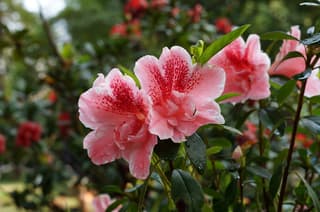
| Azalea | Medium | Partial shade | 3d | ⚠️ |
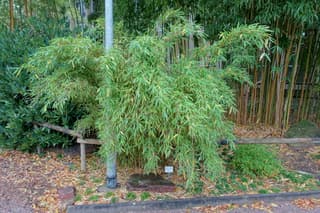
| Muriel's Bamboo | Medium | Partial shade | 3d | ✓ |
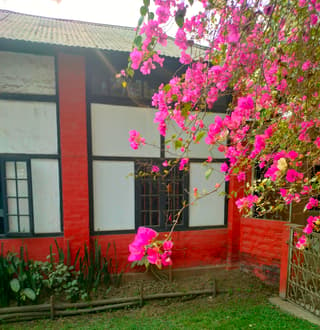
| Bougainvillea | Medium | Direct sun | 7d | ⚠️ |
Choose & Compare
Sources & References
- Jubaea - Wikipedia
- Jubaea chilensis (Chilean Wine Palm) - Gardenia.net
- Jubaea chilensis (Chilean Wine Palm, Chile Coco Palm) - World Plants
- Palma chilena - SAG Chile
- SAG intensifica vigilancia para prevenir la entrada de plaga en palmeras (picudo rojo) - Radio Agricultura
- Paysandisia archon factsheet - DEFRA Plant Health Portal
- Jubaea chilensis - Promesse de Fleurs