Asteraceae
Canada Goldenrod - Complete Plant Care Guide
Solidago canadensis
Canada Goldenrod is an easy-care, drought-tolerant perennial thriving in full sun. Water moderately when young; once established it requires minimal care. Ideal for naturalized or wildflower gardens. Deadhead spent flowers to prevent excessive self-seeding.
Every 7 days
Direct sun
-30° - 30°C
30% - 60%
Categories
What is Canada Goldenrod?
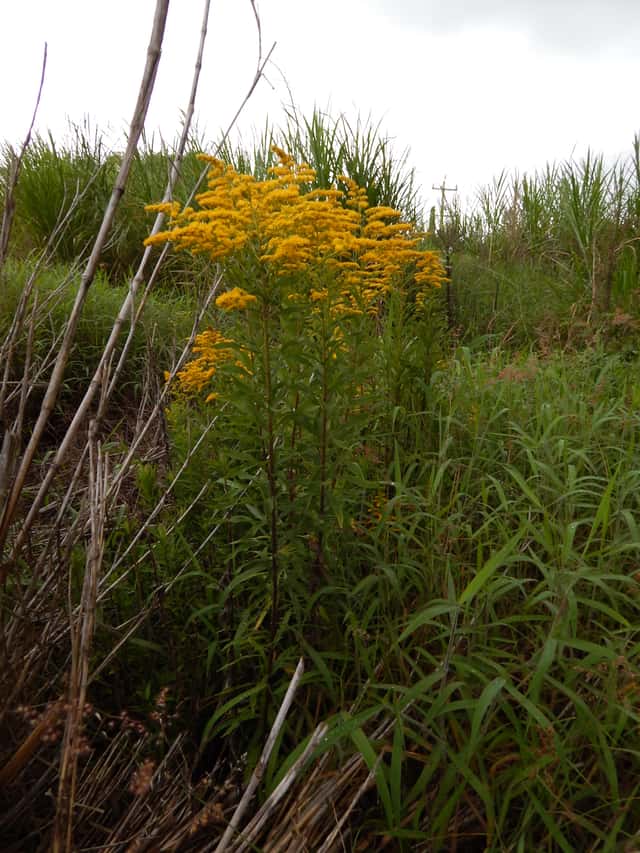
Canada Goldenrod (Solidago canadensis) is a easy-care plant from the Asteraceae family. Solidago canadensis, commonly known as Canada Goldenrod, is a robust native North American perennial wildflower belonging to the Asteraceae family. It produces striking arching plumes of bright yellow flowers from late summer through fall, creating a spectacular display in meadows, prairies, and nat...
Canada Goldenrod grows up to 1.8m, spread of 100cm, watering every 7 days, -30°C – 30°C, 30–60% humidity. It is not suitable for indoor environments and safe for pets.
Unlike many tropical plants, Canada Goldenrod tolerates watering mistakes. Best for beginners. Unlike many popular species, Canada Goldenrod is safe to keep around pets.
How to Care for Canada Goldenrod?
TLDR: Canada Goldenrod needs Direct sun, watering every 7 days, and temperatures between -30-30°C with 30-60% humidity.
How Often Should You Water Canada Goldenrod?
Water young plants moderately until established. Once mature, Canada Goldenrod is drought-tolerant and requires watering only during prolonged dry spells — approximately every 7 days in dry conditions.
How Much Light Does Canada Goldenrod Need?
Plant in full sun for best flowering. Tolerates light shade but blooms may be reduced. Needs at least 6 hours of direct sunlight daily for optimal performance.
What Is the Best Soil for Canada Goldenrod?
Thrives in average, well-drained loamy soils. Tolerates sandy or clay soils. Prefers slightly acidic to neutral pH (5.5–7.0). Avoid waterlogged conditions to prevent root rot.
What Pot Should You Use for Canada Goldenrod?
Not typically grown in pots. Suitable for raised garden beds, prairie plots, or large naturalized areas. If container growing, use a large pot (30+ cm) with drainage holes.
Care Schedule
Fertilize
Every 90 days
What Is Canada Goldenrod and Where Does It Come From?
Solidago canadensis, commonly known as Canada Goldenrod, is a robust native North American perennial wildflower belonging to the Asteraceae family. It produces striking arching plumes of bright yellow flowers from late summer through fall, creating a spectacular display in meadows, prairies, and naturalized gardens. Fast-spreading via rhizomes and self-seeding, it is beloved by pollinators including bees, butterflies, and birds.
How to Propagate Canada Goldenrod?
Rhizome Division
Division is the most reliable method and controls spreading. Divide every 2-3 years to maintain vigor.
- 1 In early spring, dig up an established clump
- 2 Divide the rhizomes into sections, each with at least one shoot
- 3 Replant divisions 60cm apart in prepared soil
- 4 Water thoroughly after planting
Materials needed:
Seed Propagation
Seeds need light to germinate — do not cover. Self-seeding in the garden is very common.
- 1 Collect seeds in fall after flowering
- 2 Sow seeds on the surface of moist seed compost in spring
- 3 Keep moist and in a bright location
- 4 Transplant seedlings when large enough to handle
Materials needed:
How Big Does Canada Goldenrod Grow?
TLDR: Canada Goldenrod can reach up to 1.8m tall with Fast growth rate.
Max height
1.8m
Spread
1.0m
Growth rate
Fast
Foliage
Deciduous
Plant Uses
Ornamental
Great for decoration
Medicinal
Medicinal properties
Medicinal Uses
- Traditionally used as a diuretic for urinary tract health and kidney stone prevention
- Used in Native American medicine for analgesic and gastrointestinal support
- Supports kidney health and may help reduce fever
Is your plant showing symptoms?
Click on the symptom to discover possible causes:
What Diseases Commonly Affect Canada Goldenrod?
TLDR: Canada Goldenrod is susceptible to 6 known diseases. Monitor regularly for early detection.
Rust
Rust is a common fungal disease caused by fungi in the order Pucciniales that affects a wide variety of plants. The disease gets its name from the characteristic orange, yellow, or reddish-brown pustules that appear on leaves, resembling metal rust. This obligate fungal parasite requires living plants to survive and can cause significant economic losses in agricultural crops.
Powdery Mildew
Powdery mildew is a common fungal disease caused by various fungi species including Erysiphe, Podosphaera, Oïdium, and Leveillula. It affects over 10,000 plant species worldwide. The disease thrives in warm, dry climates with high humidity and appears as a distinctive white powdery coating on plant surfaces.
Leaf Spot
Leaf spot is a common fungal disease caused by various pathogens including Alternaria, Ascochyta, Colletotrichum, Septoria, and Venturia. It primarily affects leaves, causing discolored spots that can lead to premature leaf drop if left untreated.
Root Rot
Root rot is a serious fungal disease that affects the root system of plants, causing them to decay and die. It is primarily caused by overwatering, poor drainage, or soil-borne fungi such as Pythium, Phytophthora, Rhizoctonia, and Fusarium. The disease thrives in waterlogged conditions where roots are deprived of oxygen, making them susceptible to fungal infection.
Meaning & Symbolism
In the language of flowers, goldenrod symbolizes encouragement, growth, positivity, good luck, and protection. It has long been associated with healing and prosperity.
Fun Facts
Canada Goldenrod is one of the most important late-season nectar sources for monarch butterflies during their migration
Despite popular belief, goldenrod does not cause hay fever — the real culprit is ragweed, which blooms at the same time
Native Americans used goldenrod for over 20 different medicinal purposes
The plant can spread to form large colonies through underground rhizomes, growing up to 180cm tall
Frequently asked questions
How often should I water Canada Goldenrod?
Is Canada Goldenrod toxic to cats or dogs?
Does Canada Goldenrod spread aggressively?
When does Canada Goldenrod bloom?
What are the medicinal uses of Canada Goldenrod?
Compare with similar plants
| Attribute | Difficulty | Light | Watering | Pet Safe |
|---|---|---|---|---|
| Field Maple | Easy | Bright indirect | 14d | ✓ |
| Silver Birch | Easy | Direct sun | 14d | ✓ |
| Common Blanketflower | Easy | Direct sun | 10d | ✓ |
| Cushion Bush | Easy | Direct sun | 14d | ✓ |





