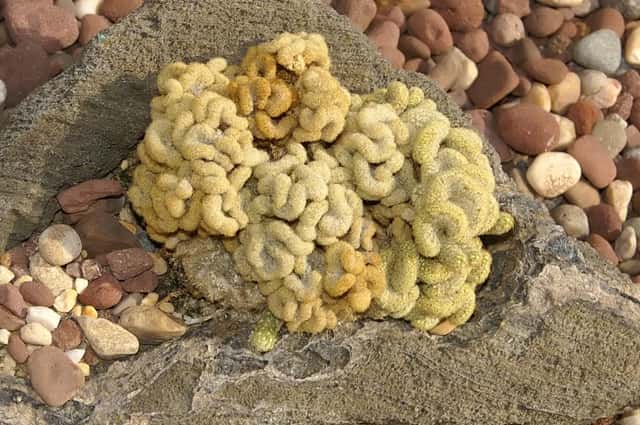
Cactaceae
Brain Cactus: How to Care for Mammillaria elongata 'Cristata'
Mammillaria elongata 'Cristata'
Give it bright light with a few hours of sun, water only when the soil is completely dry, and keep it in a gritty cactus mix. Keep it almost dry and cool (5–15 °C) in winter. Its folds hold water, so it rots more easily than the regular ladyfinger cactus.
Every 14 days
Bright indirect
5° - 35°C
10% - 40%
Categories
What is Brain Cactus?
Brain Cactus (Mammillaria elongata 'Cristata') is a medium-care plant from the Cactaceae family. Brain cactus is the crested form of Mammillaria elongata, a small cactus from central Mexico. A growth mutation makes the stems grow along a line instead of from a single point, so they fold into a wavy, convoluted mass that looks like a brain. The stems are covered in tiny star-shaped clusters of w...
Brain Cactus grows up to 10cm, watering every 14 days, 5°C – 35°C, 10–40% humidity. It is suitable for indoor environments and safe for pets.
Unlike many popular species, Brain Cactus is safe to keep around pets. Without adequate drainage, root rot can develop within 28 days.
How to Care for Brain Cactus?
TLDR: Brain Cactus needs Bright indirect, watering every 14 days, and temperatures between 5-35°C with 10-40% humidity.
How Often Should You Water Brain Cactus?
Water at the base, never over the crest, and only when the potting mix is dry all the way through: about every 10–14 days in spring and summer, every 4–6 weeks or not at all in winter. Water trapped in the folds is the main cause of rot.
How Much Light Does Brain Cactus Need?
Needs at least 4 hours of sun or very bright light a day; a south- or west-facing window works well indoors. Move it into stronger sun gradually, since sudden intense midday sun can scorch the crest.
What Is the Best Soil for Brain Cactus?
Use a mineral cactus mix with plenty of grit, pumice or coarse sand and little organic matter, in a pot with a drainage hole.
What Pot Should You Use for Brain Cactus?
A shallow terracotta pot with a drainage hole, only slightly wider than the plant, so the mix dries quickly.
Care Schedule
Fertilize
Every 30 days
Repot
Every 730 days
What Is Brain Cactus and Where Does It Come From?
Brain cactus is the crested form of Mammillaria elongata, a small cactus from central Mexico. A growth mutation makes the stems grow along a line instead of from a single point, so they fold into a wavy, convoluted mass that looks like a brain. The stems are covered in tiny star-shaped clusters of white, golden or copper spines. It stays small and grows slowly, which makes it a popular windowsill cactus.
How to Propagate Brain Cactus?
Grafting
Grafting is how most crested cacti are sold, because the rootstock makes the crest grow faster and keeps it away from wet soil. Work in warm weather.
- 1 Cut a healthy piece of the crest with a clean, sharp knife
- 2 Cut the top off a vigorous rootstock cactus such as Hylocereus or Echinopsis
- 3 Press the crest piece onto the fresh cut so the vascular rings overlap
- 4 Hold it in place with rubber bands or string for 1-2 weeks
- 5 Keep it in bright shade and dry until the graft has fused
Materials needed:
Crest cutting
Cuttings root best above 20 °C. Some cuttings revert to normal finger-shaped stems; cut off any normal stems that appear so they do not take over the crest.
- 1 Cut a section of the crest with a clean knife
- 2 Let the wound dry for several days until a callus forms
- 3 Set the cutting on dry cactus mix
- 4 Water lightly only after roots appear
Materials needed:
How Big Does Brain Cactus Grow?
TLDR: Brain Cactus can reach up to 10cm tall with Slow growth rate.
Max height
10cm
Growth rate
Slow
Foliage
Evergreen
Plant Uses
Ornamental
Great for decoration
Is your plant showing symptoms?
Click on the symptom to discover possible causes:
What Diseases Commonly Affect Brain Cactus?
TLDR: Brain Cactus is susceptible to 11 known diseases. Monitor regularly for early detection.
Root Rot
Root rot is a serious fungal disease that affects the root system of plants, causing them to decay and die. It is primarily caused by overwatering, poor drainage, or soil-borne fungi such as Pythium, Phytophthora, Rhizoctonia, and Fusarium. The disease thrives in waterlogged conditions where roots are deprived of oxygen, making them susceptible to fungal infection.
Crown Rot
Crown rot is a serious fungal disease that attacks the crown (base) of the plant where the stem meets the soil. It is caused by various fungal pathogens including Phytophthora, Fusarium, and Rhizoctonia. The disease thrives in waterlogged conditions and can quickly spread to kill the entire plant if not addressed promptly.
Bacterial Soft Rot
Bacterial soft rot is a destructive plant disease caused primarily by bacteria from the genera Pectobacterium (formerly Erwinia) and Dickeya. These bacteria produce enzymes that break down plant cell walls, causing rapid and foul-smelling tissue decomposition. It mainly affects succulent tissues such as tubers, fruits, stems, and bulbs, being especially problematic in warm and humid conditions.
Overwatering
Overwatering occurs when plants receive too much water, depriving roots of oxygen and causing root rot. This environmental stress is one of the most common causes of houseplant death, as waterlogged soil prevents roots from breathing and functioning properly.
Fun Facts
The brain shape comes from a mutation called fasciation, where the growing point stretches into a line instead of staying a single dot.
Many brain cacti are grafted onto a taller cactus, which makes them grow faster and look like they sit on a pedestal.
Mammillaria elongata, its parent species, has the RHS Award of Garden Merit.
Frequently asked questions
How often should I water a brain cactus?
Is brain cactus toxic to cats and dogs?
Why is my brain cactus turning brown or mushy?
Why are normal stems growing out of my brain cactus?
Does brain cactus flower?
Compare with similar plants
| Attribute | Difficulty | Light | Watering | Pet Safe |
|---|---|---|---|---|
| Dark Fieldcap | Medium | Low light | 2d | ⚠️ |
| Azalea | Medium | Partial shade | 3d | ⚠️ |
| Muriel's Bamboo | Medium | Partial shade | 3d | ✓ |
| Bougainvillea | Medium | Direct sun | 7d | ⚠️ |




