Poaceae
Blue moor grass: Ground Cover Plant
Sesleria caerulea
An easy, low-maintenance evergreen grass that thrives in full sun to partial shade on well-drained, neutral to alkaline soil. Water moderately, letting the soil dry out somewhat between waterings, and increase watering during hot, dry spells. Hand-rake dead foliage in spring and trim back once a year to keep clumps tidy. Largely trouble-free, with no serious pest or disease issues.
Every 10 days
Bright indirect
-20° - 30°C
40% - 70%
Categories
What is Blue moor grass?
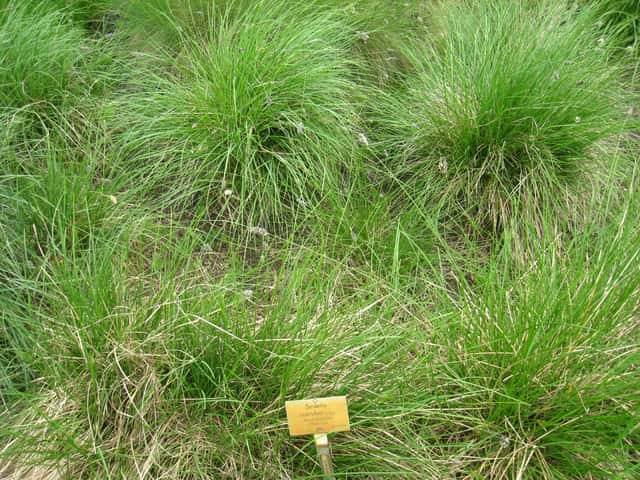
Blue moor grass (Sesleria caerulea) is a easy-care plant from the Poaceae family. Blue moor grass is a low, tufted evergreen ornamental grass native to Europe, including the limestone grasslands and pavements of Great Britain and Ireland. It forms dense, neat clumps of narrow, arching leaves that are blue-green above and glossy dark green beneath, giving the plant its characteris...
Blue moor grass grows up to 30cm, spread of 30cm, watering every 10 days, -20°C – 30°C, 40–70% humidity. It is not suitable for indoor environments and safe for pets.
Unlike many tropical plants, Blue moor grass tolerates watering mistakes. Best for beginners. Unlike many popular species, Blue moor grass is safe to keep around pets.
How to Care for Blue moor grass?
TLDR: Blue moor grass needs Bright indirect, watering every 10 days, and temperatures between -20-30°C with 40-70% humidity.
How Often Should You Water Blue moor grass?
Keep soil lightly moist but never waterlogged; let the top layer dry before watering again. Water more often during spring growth and in hot, dry weather, but this grass tolerates short dry spells well once established.
How Much Light Does Blue moor grass Need?
Grows best in full sun, but tolerates partial or dappled shade, especially in hotter climates. More sun generally means denser, more compact growth and better flowering.
What Is the Best Soil for Blue moor grass?
Prefers well-drained, neutral to alkaline soil, and is especially at home on chalk or limestone. It also adapts to loamy, sandy or clay soils as long as drainage is good; avoid constantly waterlogged ground.
What Pot Should You Use for Blue moor grass?
Grows well in containers as well as open ground. Choose an unglazed terracotta or stone pot with generous drainage holes and a gritty, free-draining, loam-based potting mix to mimic its native limestone habitat; avoid plastic pots that retain excess moisture.
Care Schedule
Fertilize
Every 90 days
What Is Blue moor grass and Where Does It Come From?
Blue moor grass is a low, tufted evergreen ornamental grass native to Europe, including the limestone grasslands and pavements of Great Britain and Ireland. It forms dense, neat clumps of narrow, arching leaves that are blue-green above and glossy dark green beneath, giving the plant its characteristic blue-grey cast. In spring, short purplish flower spikes rise just above the foliage, fading to a pale buff colour as they mature. A tough, low-maintenance calcicole grass, it is prized in gardens for its compact habit, year-round structure and tolerance of poor, stony, alkaline soils.
How to Propagate Blue moor grass?
Clump Division
Divide every few years to rejuvenate congested clumps and produce new plants for free.
- 1 Lift an established clump with a fork in March-May or September-November
- 2 Divide into smaller sections, each with healthy roots attached
- 3 Replant divisions promptly at the same depth in well-drained, gritty soil
- 4 Water in well and keep lightly moist until new growth appears
Materials needed:
Seed Sowing
Seed-grown plants are slower to establish than divisions but useful for larger-scale planting.
- 1 Collect ripe seed heads in summer (June-August)
- 2 Sow thinly onto trays of gritty, free-draining seed compost
- 3 Cover lightly and keep in a cool, bright spot, moist but not waterlogged
- 4 Transplant seedlings once large enough to handle
Materials needed:
How Big Does Blue moor grass Grow?
TLDR: Blue moor grass can reach up to 30cm tall with Slow growth rate.
Max height
30cm
Spread
30cm
Growth rate
Slow
Foliage
Evergreen
Plant Uses
Ornamental
Great for decoration
Ground Cover
Soil coverage
Is your plant showing symptoms?
Click on the symptom to discover possible causes:
What Diseases Commonly Affect Blue moor grass?
TLDR: Blue moor grass is susceptible to 3 known diseases. Monitor regularly for early detection.
Aphids
Aphids are small, soft-bodied, pear-shaped insects (1/16 to 1/8 inch long) that feed by sucking nutrient-rich sap from plants. They reproduce rapidly and can quickly weaken plants, causing distorted growth and transmitting plant viruses. Aphids come in various colors including green, black, red, yellow, brown, and gray. They secrete honeydew, a sticky substance that attracts ants and encourages sooty mold growth.
Powdery Mildew
Powdery mildew is a common fungal disease caused by various fungi species including Erysiphe, Podosphaera, Oïdium, and Leveillula. It affects over 10,000 plant species worldwide. The disease thrives in warm, dry climates with high humidity and appears as a distinctive white powdery coating on plant surfaces.
Grey Mould
Meaning & Symbolism
Blue moor grass symbolises quiet endurance and resilience, thriving in the thin, stony soils of limestone grasslands and pavements where few other plants persist. Its evergreen, ever-blue foliage is often read as a symbol of steadfastness through winter and renewal each spring.
Compare with similar plants
| Attribute | Difficulty | Light | Watering | Pet Safe |
|---|---|---|---|---|
| Field Maple | Easy | Bright indirect | 14d | ✓ |
| Muriel's Bamboo | Medium | Partial shade | 3d | ✓ |
| Silver Birch | Easy | Direct sun | 14d | ✓ |
| Common Blanketflower | Easy | Direct sun | 10d | ✓ |





