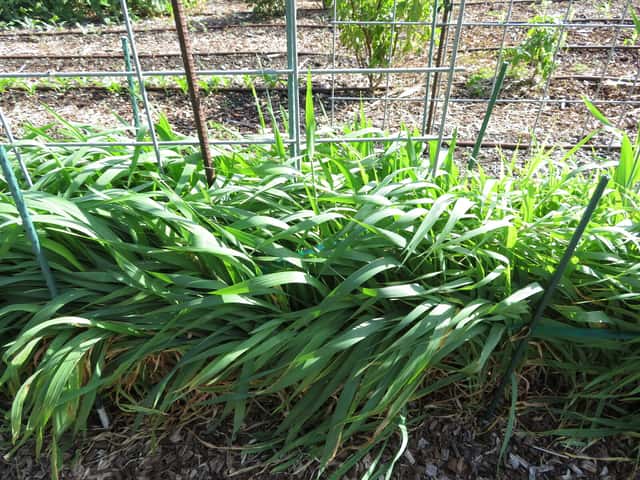
Poaceae
Barley: Edible Plant
Hordeum vulgare
Grow barley in full sun with well-drained, slightly alkaline soil. Water regularly during germination and tillering, reducing irrigation as the crop nears maturity. It has a short growing cycle and good drought tolerance compared to other cereals.
Every 7 days
Direct sun
4° - 30°C
30% - 60%
Categories
What is Barley?
Barley (Hordeum vulgare) is a easy-care plant from the Poaceae family. Barley (Hordeum vulgare) is one of the oldest domesticated cereal grains, originating in the Fertile Crescent of the Middle East roughly 10,000 years ago. It is a hardy annual grass widely grown for malting, brewing, animal feed, and human food, and remains one of the world's major cereal crops.
Barley grows up to 1.2m, spread of 30cm, watering every 7 days, 4°C – 30°C, 30–60% humidity. It is not suitable for indoor environments and safe for pets.
Unlike many tropical plants, Barley tolerates watering mistakes. Best for beginners. Unlike many popular species, Barley is safe to keep around pets.
How to Care for Barley?
TLDR: Barley needs Direct sun, watering every 7 days, and temperatures between 4-30°C with 30-60% humidity.
How Often Should You Water Barley?
Keep soil evenly moist during germination and early growth; taper off watering as heads mature to reduce lodging and fungal disease risk.
How Much Light Does Barley Need?
Requires full sun (6-8+ hours daily) for vigorous head development and grain fill.
What Is the Best Soil for Barley?
Prefers loamy, well-draining soil with a pH of 6.0-8.5; more tolerant of alkaline soils than most other cereals.
What Pot Should You Use for Barley?
Not typically container-grown; a field crop, though it can be trialed in deep planters (20cm+) for educational or ornamental purposes.
What Is Barley and Where Does It Come From?
Barley (Hordeum vulgare) is one of the oldest domesticated cereal grains, originating in the Fertile Crescent of the Middle East roughly 10,000 years ago. It is a hardy annual grass widely grown for malting, brewing, animal feed, and human food, and remains one of the world's major cereal crops.
How to Propagate Barley?
Direct seeding
Use certified disease-free seed and avoid waterlogged soil, which favors damping-off.
- 1 Prepare the soil with plowing and leveling
- 2 Sow seeds 2-4 cm deep in spaced rows
- 3 Keep soil moist until germination
- 4 Thin seedlings if needed after emergence
Materials needed:
How Big Does Barley Grow?
TLDR: Barley can reach up to 1.2m tall with Fast growth rate.
Max height
1.2m
Spread
30cm
Growth rate
Fast
Plant Uses
Edible
Can be consumed
Medicinal Uses
- Dietary fiber for digestive health
- Traditional use in soothing decoctions for digestive discomfort
Culinary Uses
- Malting for beer and whisky production
- Barley flour
- Pearl barley in soups and stews
- Livestock feed
Is your plant showing symptoms?
Click on the symptom to discover possible causes:
What Diseases Commonly Affect Barley?
TLDR: Barley is susceptible to 10 known diseases. Monitor regularly for early detection.
Powdery Mildew
Powdery mildew is a common fungal disease caused by various fungi species including Erysiphe, Podosphaera, Oïdium, and Leveillula. It affects over 10,000 plant species worldwide. The disease thrives in warm, dry climates with high humidity and appears as a distinctive white powdery coating on plant surfaces.
Rust
Rust is a common fungal disease caused by fungi in the order Pucciniales that affects a wide variety of plants. The disease gets its name from the characteristic orange, yellow, or reddish-brown pustules that appear on leaves, resembling metal rust. This obligate fungal parasite requires living plants to survive and can cause significant economic losses in agricultural crops.
Fusarium Wilt
Fusarium is a soil-borne fungus that primarily attacks the roots and vascular tissues of plants. It enters through small wounds or stressed roots, is favored by warm temperatures and waterlogging, and then obstructs the flow of sap. Symptoms include yellowing, often on only one side of the plant, wilting even with moist soil, stunted growth, and, when cutting the stem, internal brown streaks. It frequently affects tomatoes, peppers, eggplants, basil, cucumbers, and zucchini, as well as ornamentals like carnations and cyclamen. In potted plants, it can manifest as root rot with a darkened crown.
Root Rot
Root rot is a serious fungal disease that affects the root system of plants, causing them to decay and die. It is primarily caused by overwatering, poor drainage, or soil-borne fungi such as Pythium, Phytophthora, Rhizoctonia, and Fusarium. The disease thrives in waterlogged conditions where roots are deprived of oxygen, making them susceptible to fungal infection.
Meaning & Symbolism
A symbol of abundance, sustenance, and fertility since antiquity, tied to harvest festivals and prosperity rituals across Mesopotamia and ancient Egypt.
Compare with similar plants
| Attribute | Difficulty | Light | Watering | Pet Safe |
|---|---|---|---|---|
| Field Maple | Easy | Bright indirect | 14d | ✓ |
| Muriel's Bamboo | Medium | Partial shade | 3d | ✓ |
| Silver Birch | Easy | Direct sun | 14d | ✓ |
| Common Blanketflower | Easy | Direct sun | 10d | ✓ |
Choose & Compare
Sources & References
- USDA NRCS Plant Guide - Barley (Hordeum vulgare)
- Growing Barley: How To Plant, Manage, And Harvest - EOS Data Analytics
- How to Plant, Grow, and Care for Barley - Epic Gardening
- Diseases of Barley - The American Phytopathological Society
- Barley (Hordeum vulgare)-Spot Blotch - PNW Plant Disease Management Handbook
- Pyrenophora teres: Taxonomy, Morphology, Interaction With Barley, and Mode of Control





