Asparagaceae
Sansevieria guineensis (African Bowstring Hemp) Care Guide
Sansevieria guineensis
An exceptionally forgiving houseplant: give it bright indirect light, water only once the soil has dried out completely, and pot it in a fast-draining mix. It tolerates low light, dry air, and irregular watering far better than overwatering, which is the main way it runs into trouble.
Every 21 days
Partial shade
15° - 35°C
30% - 60%
Categories
What is African Bowstring Hemp?
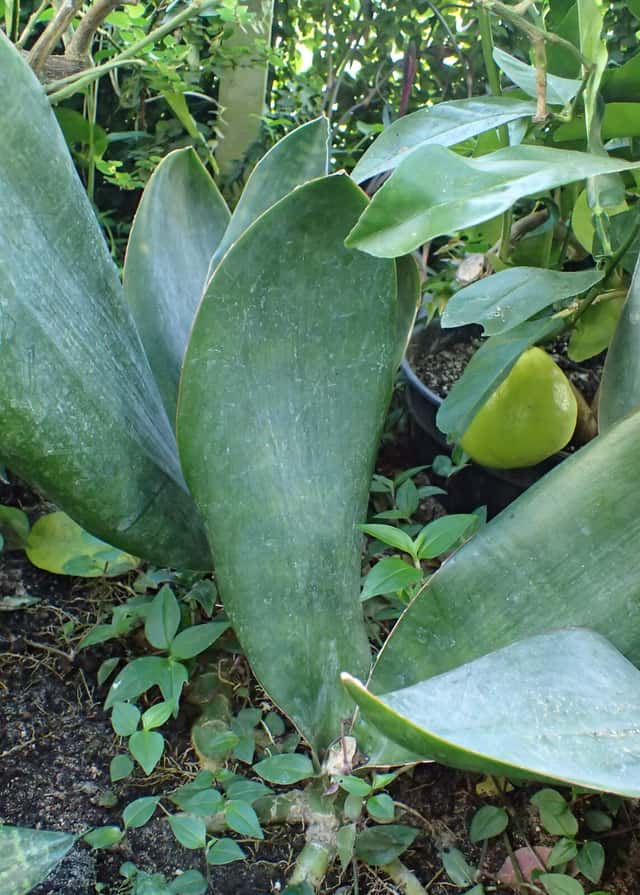
African Bowstring Hemp (Sansevieria guineensis) is a easy-care plant from the Asparagaceae family. Sansevieria guineensis, commonly called the African bowstring hemp, is a tough, rhizomatous succulent native to West Africa. It forms dense clumps of stiff, lance-shaped, evergreen leaves rising directly from a spreading underground rootstock. Like other snake plant relatives, it stores water in thi...
African Bowstring Hemp grows up to 1.0m, spread of 60cm, watering every 21 days, 15°C – 35°C, 30–60% humidity. It is suitable for indoor environments and not safe for pets.
Unlike many tropical plants, African Bowstring Hemp tolerates watering mistakes. Best for beginners. Without precautions, ingestion can cause irritation in pets. Keep out of reach of cats and dogs. Without adequate drainage, root rot can develop within 42 days.
How to Care for African Bowstring Hemp?
TLDR: African Bowstring Hemp needs Partial shade, watering every 21 days, and temperatures between 15-35°C with 30-60% humidity.
How Often Should You Water African Bowstring Hemp?
Let the soil dry out completely between waterings, roughly every 3 weeks in summer and every 5 to 6 weeks in winter. Always empty the saucer, since wet feet are the fastest way to kill this plant.
How Much Light Does African Bowstring Hemp Need?
Thrives in bright, indirect light but adapts well to medium or even low light. Avoid harsh, prolonged direct midday sun, which can scorch the leaves.
What Is the Best Soil for African Bowstring Hemp?
Use a well-draining succulent or cactus mix, or standard potting soil cut with perlite or coarse sand. A pot with drainage holes is essential.
What Pot Should You Use for African Bowstring Hemp?
A heavy terracotta or ceramic pot with a drainage hole works best; the added weight helps stabilize the dense, upright leaves, and unglazed terracotta helps excess moisture evaporate.
Care Schedule
Fertilize
Every 60 days
Repot
Every 730 days
What Is African Bowstring Hemp and Where Does It Come From?
Sansevieria guineensis, commonly called the African bowstring hemp, is a tough, rhizomatous succulent native to West Africa. It forms dense clumps of stiff, lance-shaped, evergreen leaves rising directly from a spreading underground rootstock. Like other snake plant relatives, it stores water in thick fibrous leaves, letting it shrug off drought, neglect, and low light. In its native range it grows in dry, semi-shaded woodland, and for generations its leaves have been stripped for a strong, silky fiber once used for bowstrings, cords, and mats, which is the source of the common name.
How to Propagate African Bowstring Hemp?
Division
Divide only established plants with multiple leaf clusters, and avoid watering heavily for the first week to let new roots establish.
- 1 Remove the plant from its pot and gently shake or wash off loose soil
- 2 Locate the thick rhizome connecting leaf clusters and use a clean, sharp knife to cut it between clumps, keeping roots attached to each section
- 3 Let cut surfaces air dry for a day to callous over
- 4 Pot each division in fresh, well-draining substrate and water lightly
Materials needed:
Leaf cutting
Variegated leaves usually lose their stripe when propagated this way, since new plants grow from the base tissue, which is typically green.
- 1 Cut a healthy mature leaf near the base with a clean, sharp blade
- 2 Slice the leaf into 5 to 8 cm sections and let each cut end callous for a day or two
- 3 Insert the bottom edge of each section into slightly moist, well-draining substrate
- 4 Keep in bright indirect light and water sparingly until roots and new shoots form
Materials needed:
How Big Does African Bowstring Hemp Grow?
TLDR: African Bowstring Hemp can reach up to 1.0m tall with Slow growth rate.
Max height
1.0m
Spread
60cm
Growth rate
Slow
Foliage
Evergreen
Warning: Toxic Plant
This plant can be toxic if ingested. Keep out of reach of:
Plant Uses
Ornamental
Great for decoration
Air Purifying
Improves air quality
Medicinal
Medicinal properties
Medicinal Uses
- Traditional rootstock decoctions used against intestinal parasites and fever
- Leaf sap applied topically in folk remedies for wounds and earache
Is your plant showing symptoms?
Click on the symptom to discover possible causes:
What Diseases Commonly Affect African Bowstring Hemp?
TLDR: African Bowstring Hemp is susceptible to 9 known diseases. Monitor regularly for early detection.
Root Rot
Root rot is a serious fungal disease that affects the root system of plants, causing them to decay and die. It is primarily caused by overwatering, poor drainage, or soil-borne fungi such as Pythium, Phytophthora, Rhizoctonia, and Fusarium. The disease thrives in waterlogged conditions where roots are deprived of oxygen, making them susceptible to fungal infection.
Mealybugs
Mealybugs are small, soft-bodied insects covered with a white, waxy, cottony material. They are common pests of houseplants and outdoor plants in mild climates. These sap-sucking insects feed on plant tissue, causing damage, stunted growth, and can lead to plant death if left untreated. They produce sticky honeydew which attracts sooty mold.
Spider Mites
Spider mites are tiny arachnids (less than 1/20 inch long) related to spiders and ticks that feed on plant sap. They thrive in hot, dry conditions and can cause significant damage to ornamental and vegetable plants. During severe infestations, crop losses can reach 14% or higher as these pests disrupt vital plant processes including photosynthesis, carbon dioxide absorption, and transpiration.
Scale Insects
Scale insects are small sap-sucking pests that appear as brown, shell-like bumps on plant stems and leaves. There are over 25 species, divided into armored (hard) and unarmored (soft) scales. They feed by piercing plant tissue and extracting sap, which weakens the plant and can lead to yellowing, stunted growth, and even death if left untreated. They also excrete honeydew, which attracts ants and promotes sooty mold growth.
Meaning & Symbolism
In West African tradition and in modern houseplant culture alike, Sansevieria is seen as a plant of protection and resilience, a hardy guardian believed to absorb negative energy and bring steady, quiet strength to a home.
Fun Facts
Its tough leaf fibers were once stripped and twisted into bowstrings by West African hunters, which is where the common name comes from.
It belongs to the family Asparagaceae and is so closely related to the classic snake plant that botanists now often fold Sansevieria into the genus Dracaena.
It can survive weeks without water thanks to succulent, moisture-storing leaves adapted to seasonal drought in West Africa.
Frequently asked questions
How often should I water Sansevieria guineensis?
Is Sansevieria guineensis toxic to cats and dogs?
Why are the leaves turning yellow and soft?
Can Sansevieria guineensis survive in low light?
How do I propagate Sansevieria guineensis?
Compare with similar plants
| Attribute | Difficulty | Light | Watering | Pet Safe |
|---|---|---|---|---|
| Field Maple | Easy | Bright indirect | 14d | ✓ |
| Silver Birch | Easy | Direct sun | 14d | ✓ |
| Common Blanketflower | Easy | Direct sun | 10d | ✓ |
| Cushion Bush | Easy | Direct sun | 14d | ✓ |
Choose & Compare
Sources & References
- Sansevieria Care Guide - Bloomscape
- Common Sansevieria Diseases (And How To Treat Them) - Cafe Planta
- Common Diseases of Sansevieria: Causes, Symptoms, and Treatment - Cafe Planta
- Sansevieria hyacinthoides - Useful Tropical Plants (synonym/close ally of S. guineensis, both called African bowstring hemp)
- Sansevieria guineensis (L.) Willd. - Plants of the World Online, Kew Science
- Saving Snake Plants From Pests - snakeplantcare.com





